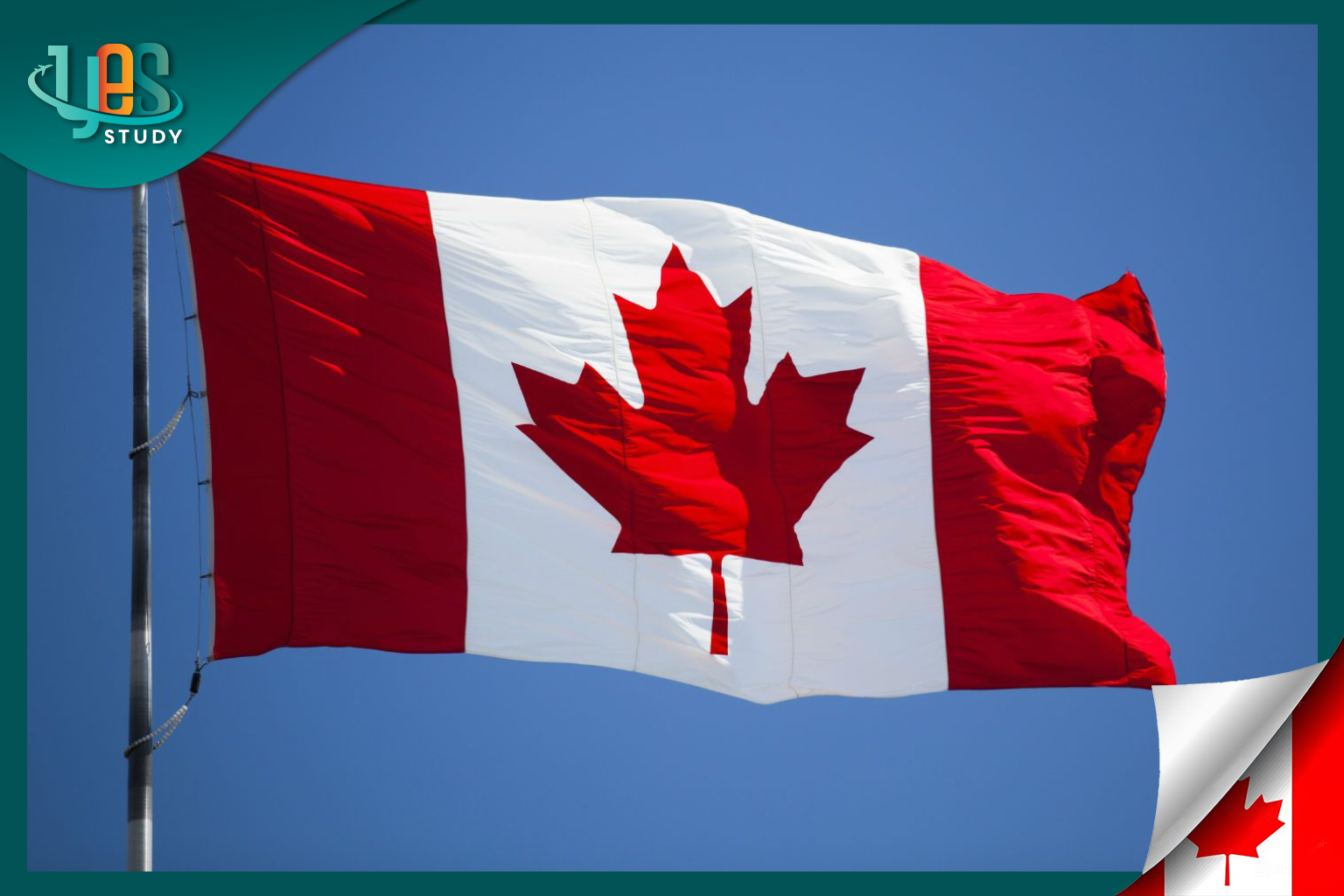
What Not to Bring to Canada in 2026: Prohibited Items & Customs Guide
This article provides a complete guide on what not to bring to Canada in 2026, specifically focusing on Canada Border Services Agency (CBSA) regulations. A simple mistake—like accidentally packing homemade beef jerky or agricultural seeds—can lead to severe consequences, including item confiscation, fines ranging from $800 to $1,300 CAD, or being flagged for secondary screening on all future trips.
Based on our 10+ years of experience helping international students at Yes Study, we will break down strictly prohibited items, restricted goods (like cash and medication), and exactly how to declare your belongings to pass through Canadian customs smoothly.
Strictly Prohibited Items: What You Cannot Bring to Canada
According to the Canada Border Services Agency (CBSA) and the Canadian Food Inspection Agency (CFIA), there are certain items you absolutely cannot bring into the country under any circumstances. If you intentionally hide these items and are caught, you face immediate confiscation and heavy fines (typically between $800 CAD and $1,300 CAD per violation).
- Fresh or Raw Meat and Meat Products: All forms are strictly banned. This includes fresh, frozen, and homemade processed meats (such as beef jerky, homemade sausages, pork roll, and fermented pork).
- Fresh Fruits and Vegetables: Most are prohibited (including mangoes, guavas, oranges, and longans) due to the risk of introducing foreign pests and crop diseases.
- Unpasteurized Dairy Products: Not allowed due to health and safety regulations.
- Weapons, Explosives, and Fireworks: This includes switchblades, pepper spray, mace, and any restricted firearms.
- Narcotics and Illegal Drugs: Strictly prohibited. (Note: Even though cannabis is legal inside Canada, bringing it across the international border is a serious criminal offense).
Restricted Items: Allowed With Limits and Declaration
You are allowed to bring the following items, but you must adhere to strict quantity limits and legally declare them on your customs form. If you exceed the allowable limits, you will be required to pay import duties and taxes.
Food and Groceries
When I advise students on packing food for Canada, I always emphasize one golden rule: items must be commercially packaged, clearly labeled (preferably in English or French), and kept in their original manufacturer packaging.
- Dried Seafood: Dried shrimp, dried squid, or dried fish are allowed if they are thoroughly vacuum-sealed and fully labeled.
- Sweets and Baked Goods: Candies and cakes are generally accepted. However, mooncakes or pastries containing salted egg yolks are frequently confiscated depending on the current avian flu alert levels.
- Instant Noodles: Standard instant ramen or dried pho noodles are fine, but any flavor packets containing real meat chunks will be seized.
- Spices and Fish Sauce: Allowed only if packed in commercial plastic bottles and wrapped securely to prevent leakage and odors.
- Tea and Coffee: Roasted, ground, or instant coffee and tea are permitted in their original packaging.
Important Note: Never repackage food into unlabelled plastic bags or blank containers. Always declare your food items honestly to avoid penalties.
Cash and Financial Instruments
You can bring an unlimited amount of money into Canada. However, according to Canadian anti-money laundering laws, if you are carrying $10,000 CAD or more (including foreign currency, bank drafts, or traveler’s checks), you must declare it on your customs form. Declaration is entirely free, and you will not be taxed on this money. Failing to declare it can result in the seizure of all your funds and a penalty ranging from $250 to $5,000 CAD.
Medication
- Over-the-Counter (OTC) Drugs: Items like cold medicine, headache pills, medicated oils, or vitamins are allowed in reasonable quantities for personal use.
- Prescription Medication: You can only bring enough for a single course of treatment or a maximum 90-day supply. It must be accompanied by a doctor’s prescription clearly stating your name, the medication name, and dosage (translated into English). The medicine must remain in its original hospital or pharmacy packaging.
Alcohol and Tobacco
To bring alcohol or tobacco, you must meet the legal drinking/smoking age of the province you are entering (18 years old in Alberta, Manitoba, and Quebec; 19 years old in all other provinces). Your duty-free limits are:
- Alcohol: Up to 1.5 liters of wine (two 750ml bottles), OR 1.14 liters of liquor (one large bottle), OR 8.5 liters of beer (24 cans of 355ml).
- Tobacco: Up to 200 cigarettes (1 carton), OR 50 cigars, OR 200 grams of manufactured tobacco.
If you exceed these limits, you are still allowed to bring the items, but you must declare them and pay high import taxes.
Crucial Customs Advice for Entering Canada
The customs declaration form is not a test designed to trap you; it is an opportunity to demonstrate honesty, which is the trait the CBSA values above all else. Most border troubles begin when travelers intentionally hide items or assume something is allowed without checking.
If you are bringing items like herbal tea, traditional medicine, or dried goods and aren’t 100% sure if they are permitted, simply declare them. When you speak to the customs officer, say: “I brought these items from home, could you please check if they are allowed?” This completely eliminates the risk of being blacklisted for smuggling.
A Real-World Example:
When working with students arriving for the Fall intake, I recall a Yes Study student who brought dried ginseng tea as a gift for their homestay family. They weren’t sure if it was banned, so they correctly checked “Yes” to bringing food/plant products. The CBSA officer inspected it, saw it was a commercially labeled dried herb, and happily let them through without a hitch. Conversely, if they had hidden it and the X-ray machine detected it, they would have been fined for making a false declaration, regardless of whether the tea was legal or not.
Conclusion
Entering Canada is a straightforward process as long as you understand exactly what not to bring to Canada. Honesty is your absolute best shield against border complications and fines. Double-check your luggage, leave the homemade meats at home, and clearly declare all food, cash, and restricted goods.
We hope this guide helps you pack confidently for your upcoming journey. If you need further assistance with your Canadian Study Permit process, finding housing, or securing student flight tickets, do not hesitate to reach out to our expert team at Yes Study.
More:
- Can You Work in Canada on a Visitor Visa? 2026 Rules & Policy Changes
- How to Transfer Money from Vietnam to Canada: 4 Safe and Legal Methods

Related news
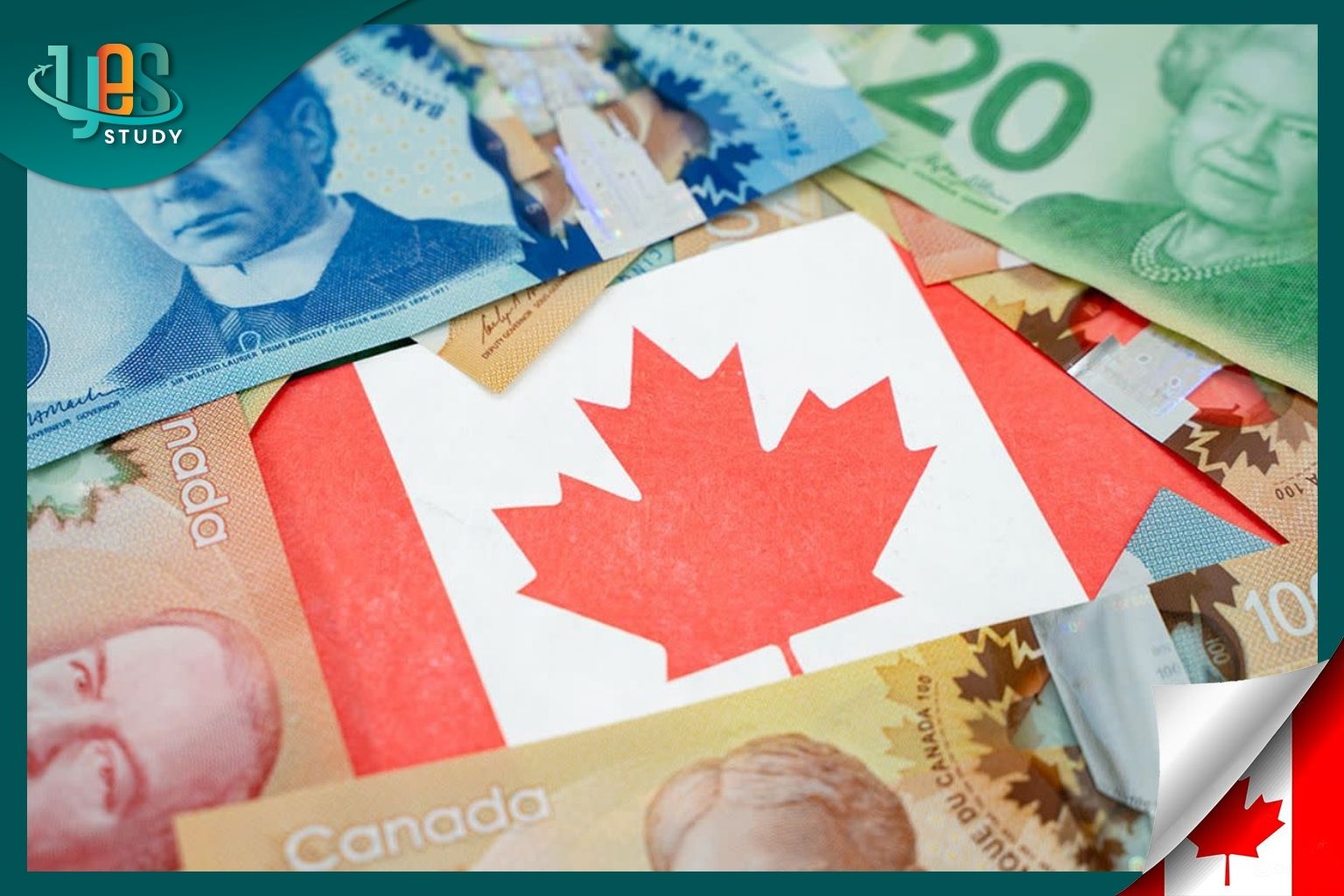
How to Transfer Money from Vietnam to Canada: 4 Safe and Legal Methods
Latest news
Giving Birth in Canada in 2026: Costs, EI Benefits, and Procedures from A to Z

Top Universities in Canada for 2026: Rankings and a Guide to Choosing a School Under New Policies

Guide to Applying for a Canadian visitor visa (family/friend visit) in 2026: Requirements, Documentation, and Tips to Increase Your Chances of Approval
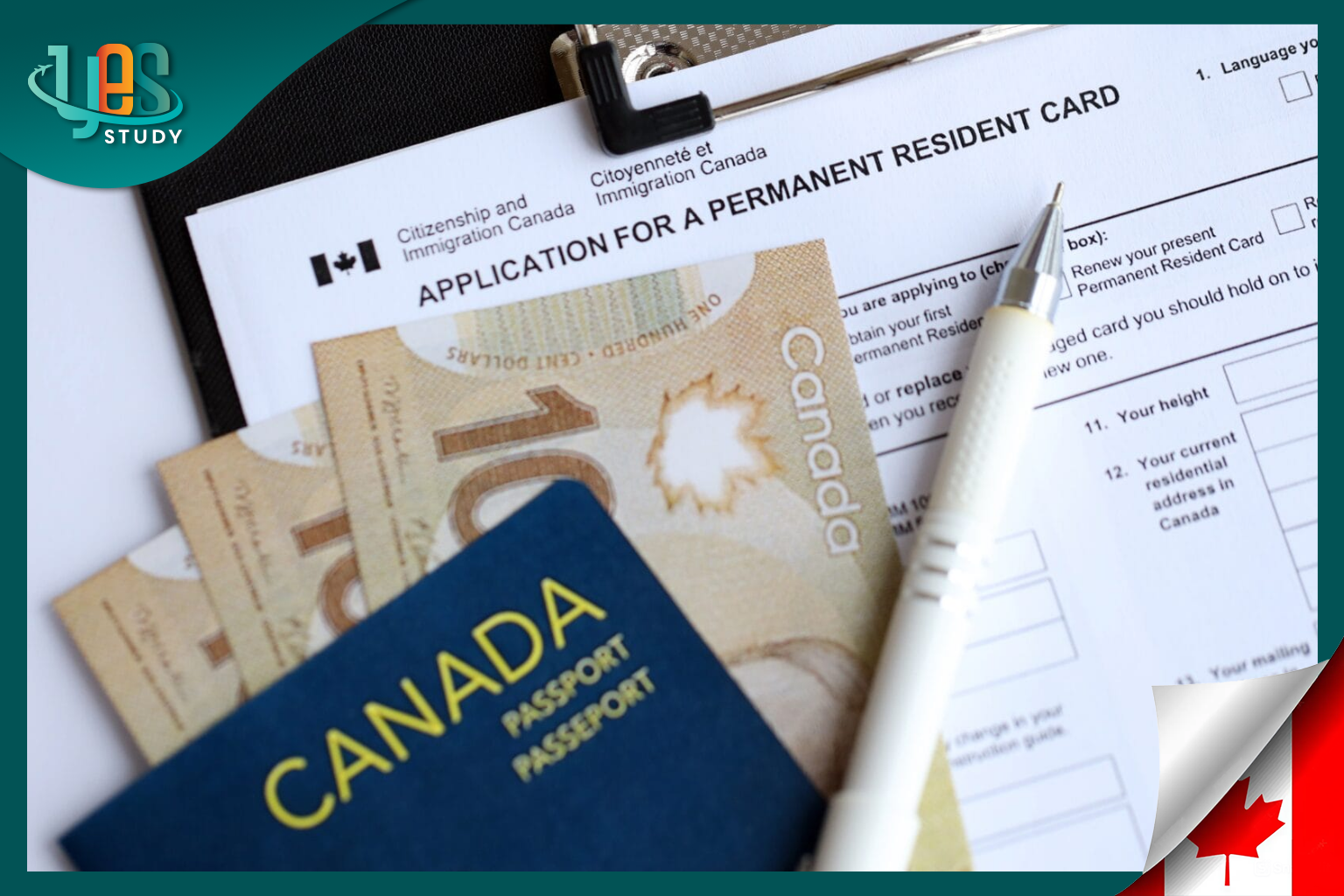
Guide to Obtaining a Canadian Work Visa: Requirements, Procedures, and Opportunities for 2026

Agriculture in Canada 2026: Wages, Conditions, and Pathways to Permanent Residency