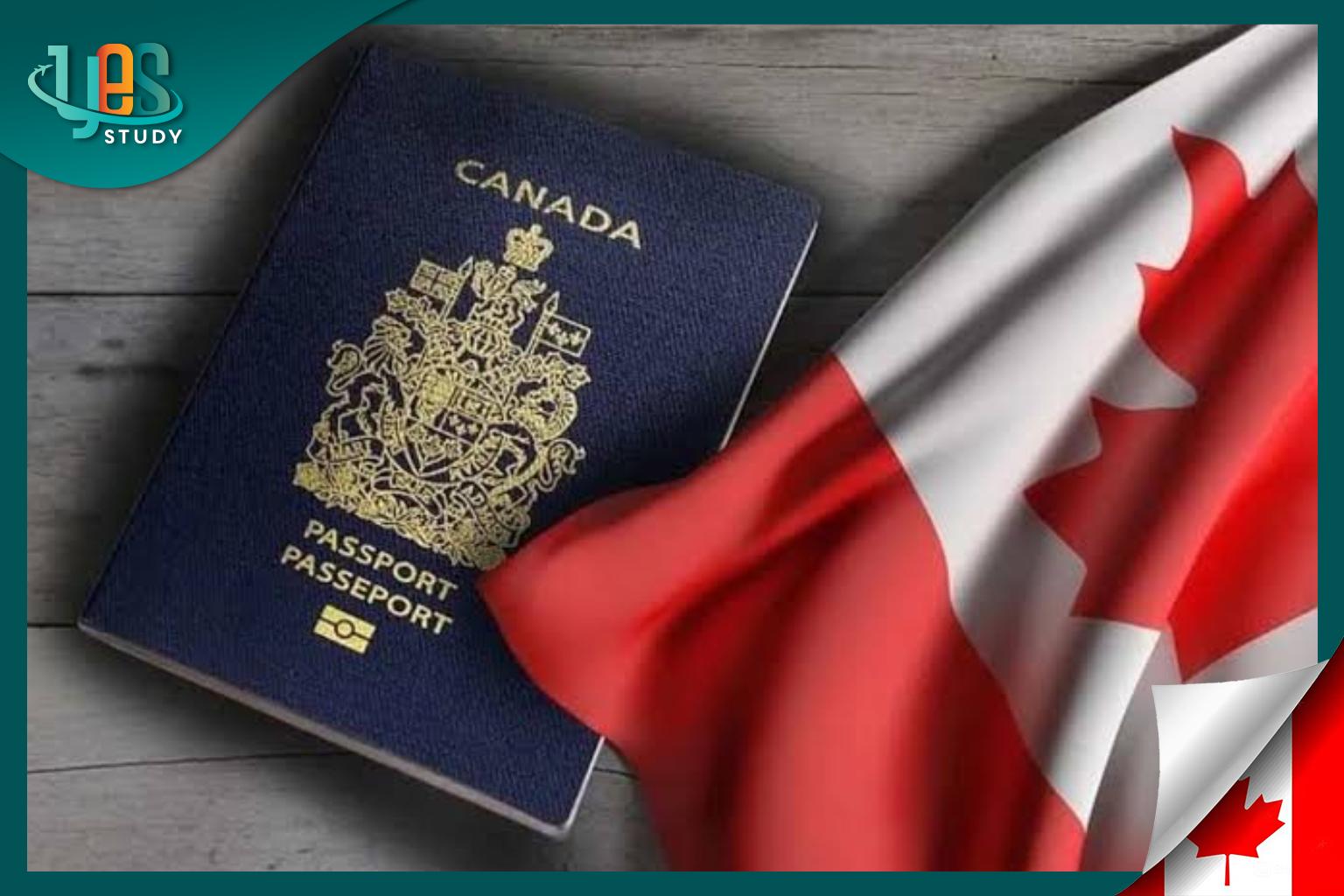
List of items not allowed to bring into Canada (latest 2026)

Checking what you are allowed to bring into Canada is a crucial step in preparing for your journey. Failing to declare restricted items can lead to fines, confiscation, or even trouble during your immigration process. This guide will help you quickly identify prohibited, restricted, and declaration-worthy items.

1. Prohibited Items: Do Not Bring These

To avoid severe penalties, confiscation, or entry refusal, you must not carry the following items:

  • Food with risks: Products containing meat, eggs, or raw dairy (e.g., homemade jerky, dried meat floss, pork paste, or non-pasteurized milk).
  • Fresh Produce: Most fresh fruits, vegetables, and seeds are banned due to the risk of pests and diseases.
  • Illegal Substances: Drugs and controlled substances are strictly prohibited. Violations can lead to criminal charges, imprisonment, and deportation.
  • Weapons & Dangerous Items: Firearms, prohibited knives, pepper spray, or batons.
  • Endangered Species Products: Items like ivory, rhino horn, or certain furs/medicines made from endangered animals.

Rule of Thumb: If you are unsure whether an item is allowed, always declare it to the Canada Border Services Agency (CBSA) officer.

2. Restricted Items & Declaration Requirements

Food

General rule: Commercial packaging is key. Items must have clear labels and must not contain prohibited meat or egg ingredients.

Food ItemStatusRequirement
Dried SeafoodAllowedMust be commercially packaged with clear labels.
Fish SauceAllowedMust be a commercial product, sealed securely.
Tea, Coffee, SpicesAllowedAllowed if processed and commercially packaged.
Noodles (Instant/Dry)AllowedPreferably vegetarian; avoid flavor packets with meat chunks.

Cash

There is no limit to how much money you can bring into Canada. However, if you carry a total sum of 10,000 CAD or more (including foreign currency), you must declare it to the CBSA. This is a standard procedure to prevent money laundering and does not mean you will be taxed on that money.

Medications

  • Over-the-counter: Bring a reasonable amount for personal use.
  • Prescription Drugs: Must be in their original pharmacy packaging with the name of the medicine and user clearly visible. Bring a doctor’s prescription (an English translation is highly recommended). Limit to a 90-day supply.

Plants & Wood

Plants, seeds, fresh flowers, and handicrafts made from wood, bamboo, or straw must be declared. Officers will inspect these to decide if they can enter the country.

3. Duty-Free Allowances (Personal Exemptions)

You can bring certain goods into Canada tax-free within specific limits:

  • Gifts: Up to 60 CAD per item. (Note: Alcohol and tobacco do not qualify).
  • Alcohol: One of the following: 1.5L of wine, 1.14L of spirits, or 8.5L of beer. (Must meet legal age requirements of the province of entry).
  • Tobacco: 200 cigarettes or 50 cigars.

4. How to Declare

Canada has modernized its entry process to save you time:

  • ArriveCAN App: We highly recommend using the “Advance Declaration” feature in the ArriveCAN app within 72 hours of your flight. This allows you to use the Express Lane at the airport.
  • Airport Kiosks: If you haven’t used ArriveCAN, you can use the self-service kiosks at the airport to scan your passport and answer customs questions.
  • Paper Declaration: Used less frequently, but always be honest if you fill out a physical card.

Consequences of Not Declaring

If you attempt to hide restricted items or lie to CBSA officers, you may face:

  • Fines: Penalties can range from hundreds to thousands of dollars.
  • Seizure: Your items will be permanently confiscated.
  • Permanent Record: Violations are recorded. This can lead to increased scrutiny on future entries and negatively impact future visa or permanent residency applications.
  • Prosecution: In serious cases (like smuggling), you could face arrest and imprisonment.

Packing correctly is just one part of your preparation. Every stage of your study abroad or immigration journey—from school selection to visa application—requires professional guidance. Yes Study is committed to accompanying you through every step, ensuring your documentation and preparations are professional and error-free.

Chia sẻ bài viết

Related news

Studying at the Middle School Level in Canada

Studying at the Middle School Level in Canada in 2026: Latest Requirements, Pathways, and Costs

Choosing to send your child abroad at an early stage—specifically studying at the Middle School Level—in a developed nation like Canada has become a strategic choice for many Vietnamese families. Starting early allows students to adapt to language, culture, and advanced educational systems naturally. Middle school acts as a golden window for developing independent thinking [...]
27/11/2026
Part-time Work in Canada in 2026: 24-Hour Rule, Wages, and Job-Hunting Guide

Part-time Work in Canada in 2026: 24-Hour Rule, Wages, and Job-Hunting Guide

According to the latest guidelines from Immigration, Refugees and Citizenship Canada (IRCC) for 2026, international students in Canada are permitted to work off-campus for up to 24 hours per week during regular academic semesters, and unrestricted hours during scheduled school breaks. This 24-hour limit helps students cover basic living expenses and gain practical work experience [...]
27/11/2026
The journey of studying abroad in Canada from Grade 11

The journey of studying abroad in Canada from Grade 11

Canada consistently ranks as a top global study destination, renowned for high-quality education, a safe society, and a welcoming multicultural environment. Many Vietnamese students harbor dreams of studying abroad in Canada from Grade 11, eager to access advanced education and expand their personal development. However, navigating admission requirements, costs, and roadmaps requires thorough preparation. This [...]
16/11/2026
Studying in Canada from Grade 12: Is it a good idea, and what is the detailed roadmap?
Studying in Canada from Grade 12: Is it a good idea, and what is the detailed roadmap?

Studying abroad in Canada starting from Grade 12 has become an increasingly popular path for Vietnamese students and their families. However, is this decision truly the right fit for you? This article provides a comprehensive overview of the pros, cons, entry requirements, and pathways for starting your Canadian education journey in Grade 12, equipping you [...]
16/11/2026
Studying in Canada: Is It True That Parents Can Obtain a 10-Year Visa?

Studying in Canada: Is It True That Parents Can Obtain a 10-Year Visa? Requirements for Visa Application

When children plan to study abroad in Canada, many parents ask: “Is it true that parents can get a 10-year visa?” The answer is yes, absolutely—but securing it requires meeting specific criteria. What are the facts behind this popular visitor visa option, and how can parents successfully obtain one? Let’s dive into the details with [...]
16/11/2026
Sponsoring Parents and Grandparents to Canada in 2026

Sponsoring Parents and Grandparents to Canada in 2026: A Detailed Guide to the PGP and Super Visa

In 2026, the Government of Canada continues offering pathways for citizens and permanent residents sponsoring parents and grandparents. However, important regulatory updates apply. The two primary options remain the Parents and Grandparents Program (PGP) for permanent residence and the Super Visa for flexible, long-term family visits. While PGP provides permanent residence (PR), the Super Visa [...]
16/11/2026

Latest news

Studying at the Middle School Level in Canada

Studying at the Middle School Level in Canada in 2026: Latest Requirements, Pathways, and Costs

Choosing to send your child abroad at an early stage—specifically studying at the Middle School Level—in a developed nation like Canada has become a strategic choice for many Vietnamese families. Starting early allows students to adapt to language, culture, and advanced educational systems naturally. Middle school acts as a golden window for developing independent thinking [...]
27/11/2026
Part-time Work in Canada in 2026: 24-Hour Rule, Wages, and Job-Hunting Guide

Part-time Work in Canada in 2026: 24-Hour Rule, Wages, and Job-Hunting Guide

According to the latest guidelines from Immigration, Refugees and Citizenship Canada (IRCC) for 2026, international students in Canada are permitted to work off-campus for up to 24 hours per week during regular academic semesters, and unrestricted hours during scheduled school breaks. This 24-hour limit helps students cover basic living expenses and gain practical work experience [...]
27/11/2026
The journey of studying abroad in Canada from Grade 11

The journey of studying abroad in Canada from Grade 11

Canada consistently ranks as a top global study destination, renowned for high-quality education, a safe society, and a welcoming multicultural environment. Many Vietnamese students harbor dreams of studying abroad in Canada from Grade 11, eager to access advanced education and expand their personal development. However, navigating admission requirements, costs, and roadmaps requires thorough preparation. This [...]
16/11/2026
Studying in Canada from Grade 12: Is it a good idea, and what is the detailed roadmap?

Studying in Canada from Grade 12: Is it a good idea, and what is the detailed roadmap?

Studying abroad in Canada starting from Grade 12 has become an increasingly popular path for Vietnamese students and their families. However, is this decision truly the right fit for you? This article provides a comprehensive overview of the pros, cons, entry requirements, and pathways for starting your Canadian education journey in Grade 12, equipping you [...]
16/11/2026
Studying in Canada: Is It True That Parents Can Obtain a 10-Year Visa?

Studying in Canada: Is It True That Parents Can Obtain a 10-Year Visa? Requirements for Visa Application

When children plan to study abroad in Canada, many parents ask: “Is it true that parents can get a 10-year visa?” The answer is yes, absolutely—but securing it requires meeting specific criteria. What are the facts behind this popular visitor visa option, and how can parents successfully obtain one? Let’s dive into the details with [...]
16/11/2026
Sponsoring Parents and Grandparents to Canada in 2026

Sponsoring Parents and Grandparents to Canada in 2026: A Detailed Guide to the PGP and Super Visa

In 2026, the Government of Canada continues offering pathways for citizens and permanent residents sponsoring parents and grandparents. However, important regulatory updates apply. The two primary options remain the Parents and Grandparents Program (PGP) for permanent residence and the Super Visa for flexible, long-term family visits. While PGP provides permanent residence (PR), the Super Visa [...]
16/11/2026