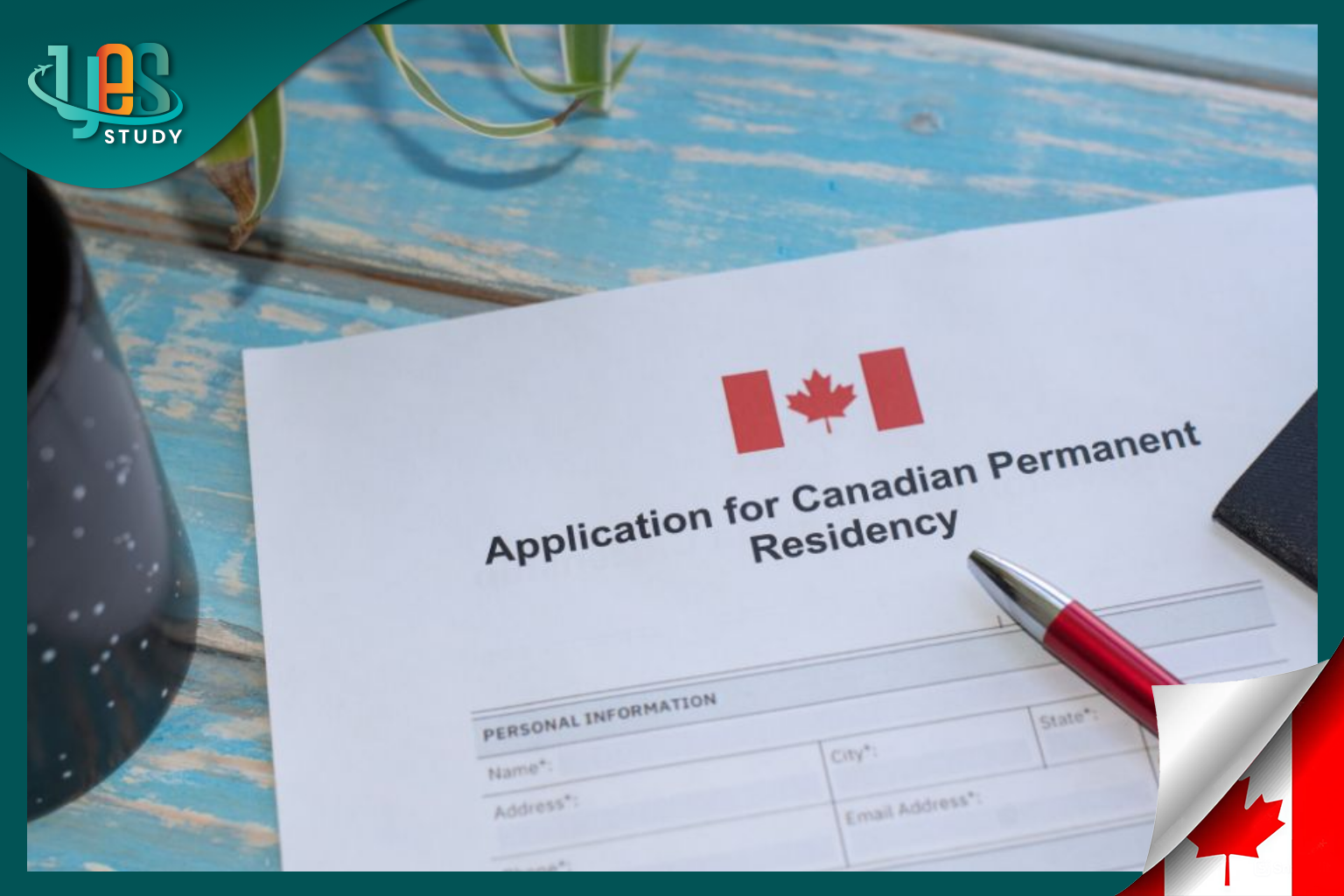
Extending Your Canadian Visa Within Canada in 2026
This article provides a detailed guide to extending your Canadian visa within Canada in 2026, covering the critical two-step process: extending your Study or Work Permit to maintain legal status, and renewing your Temporary Resident Visa (TRV) to allow international travel. According to Immigration, Refugees and Citizenship Canada (IRCC), you must apply to extend your permit at least 30 days before your current status expires.
Based on our 10+ years of experience helping international students and workers at Yes Study, I will walk you through exactly what documents you need, the current IRCC fees, and how to avoid the costly mistake of losing your legal status.
Understanding the Difference: Canadian Visa vs. Stay Permit
The biggest reason international students and workers accidentally lose their legal status is confusing a “Visa” with a “Permit.” As an immigration consultant, I always clarify this distinction right away. Here is a simple breakdown:
| Criteria | Visa (TRV – Temporary Resident Visa) | Stay Permit (Study or Work Permit) |
|---|---|---|
| Primary Function | To enter or re-enter Canada through the border. | To legally stay, study, or work inside Canada. |
| Physical Form | A sticker (counterfoil) glued into your passport. | A standalone, letter-sized (A4) official paper document. |
| Expiration Priority | It is okay if it expires, as long as you do not leave Canada. | Must always be valid. If it expires, you lose your legal status immediately. |
The 2-Step Process to Extend Your Canadian Visa Within Canada
Step 1: Extend Your Stay Permit (Study/Work Permit)
When Should You Apply for an Extension?
IRCC officially recommends submitting your online extension application at least 30 days before the expiry date printed on your current permit. I highly advise against waiting until the last minute, as the IRCC online portal can experience unexpected outages.
For example: If your Study Permit expires on August 31, the optimal window to submit your application is between July 15 and August 1. If you are careless and apply even one day late, the consequences are severe. The exact moment your old permit expires without a new application in the system, you lose your legal resident status. This means you must immediately stop all studying or working activities. Continuing to work or study “under the table” during this period is a violation of federal law and can lead to deportation. Instead of a simple extension, you will be forced to undergo a complex, expensive, and high-risk “Restoration of Status” process.
Required Documents for Extension
Applying from inside Canada (an In-Canada application) is significantly simpler than your initial application from your home country. You will need to prepare high-quality scans of the following:
For a Study Permit Extension:
- Form IMM 5709 (Application to Change Conditions, Extend my Stay or Remain in Canada as a Student).
- A valid passport.
- Letter of Acceptance (LOA) for your upcoming semester or an official Enrollment Letter from your school.
- Financial Proof: You need to show you can support yourself for the duration of your studies (Canadian bank statements, scholarship letter, or sponsor support are usually sufficient). You do not need complex property deeds or parental income proof like you did when applying for the first time.
For a Work Permit Extension:
- Form IMM 5710 (Application to Change Conditions, Extend my Stay or Remain in Canada as a Worker).
- A valid passport.
- Your new employment contract or Offer of Employment number from the Employer Portal.
- A copy of your LMIA (if required) or proof you are LMIA-exempt.
- Your 3 most recent pay stubs (helpful supporting document).
Real-World Experience: How a Yes Study Student Handled an Expiring Permit
To illustrate how this works, let me share a real case. Lan, one of our students at Seneca College, had a Study Permit expiring on August 31. We helped her submit her online extension on July 15. However, by September 1, her old permit had expired, and IRCC had not yet issued her new one.
Did she have to stop studying? No. Because Lan submitted her application before her current permit expired, she automatically entered Maintained Status (formerly known as Implied Status). This legal provision allowed her to continue living, studying, and working in Canada under the exact same conditions as her old permit while waiting for IRCC’s final decision. In October, her new Study Permit arrived safely in the mail, and her academic year proceeded smoothly.
Step 2: Renew Your Temporary Resident Visa (TRV) for Travel
You only need to complete Step 2 after your Study or Work Permit extension has been approved in your IRCC online account (you do not need to wait for the physical paper document in the mail) and only if you plan to travel outside of Canada (e.g., returning home for the holidays) and need to re-enter.
If you plan to stay inside Canada for the next 2–3 years to finish your degree, you do not need to renew your TRV immediately.
The TRV renewal process is very straightforward. The required documents include:
- Form IMM 5257 (Application for a Temporary Resident Visa).
- A digital passport-sized photo.
- A scan of your valid passport.
- Crucially: Proof of your approved new Study or Work Permit (approval message from your IRCC account or the paper document when received).
Frequently Asked Questions (FAQ)
What happens if I apply late and my permit has already expired?
If you accidentally let your permit expire before applying, do not panic, but act quickly. Under Canadian immigration law, you have exactly 90 days from the expiry date to apply for a “Restoration of Status.” Be aware that the government fees are much higher (an additional $246.25 CAD penalty on top of the permit fee, totaling $396.25 CAD for Study or $401.25 CAD for Work), and most importantly: you are legally forbidden from working or studying while waiting for the restoration to be approved.
Can I continue to work or study while waiting for my new permit?
Yes. As long as you submit your extension application before your current permit expires, you benefit from “Maintained Status.” You are legally allowed to continue all study and work activities (including off-campus work) under the exact conditions stated on your old permit until IRCC provides a final decision.
What are the current IRCC fees for extending a visa in Canada?
Based on the current IRCC fee schedule, the non-refundable government processing fees are as follows:
- Study Permit Extension: $150 CAD
- Work Permit Extension: $155 CAD
- Temporary Resident Visa (TRV) Renewal: $100 CAD
- Restoration of Status: $246.25 CAD (Plus the standard permit fee, totaling $396.25 CAD for Study or $401.25 CAD for Work)
You will pay these fees directly through the official IRCC secure portal via credit or debit card when you submit your application.
Conclusion
Extending your Canadian visa from within the country does not have to be a nightmare if you understand the core mechanics of the system. Always remember this golden rule: your Stay Permit is far more important than your Visa sticker. Your absolute top priority is to submit your permit extension application on time to maintain your legal status.
While the online application is something you can do yourself, even a small error can result in a returned application or a catastrophic loss of status. If you want to ensure your documents are perfectly accurate, our team of experienced consultants at Yes Study is always ready to review and expedite your application safely.
More:
- What Not to Bring to Canada in 2026: Prohibited Items, Customs Guide
- Can You Work in Canada on a Visitor Visa? 2026 Rules, Policy Changes

Related news
Canada Immigration 2026: Requirements and Visa Procedures
Latest news

Taboos in Canada You Need to Know About

Canada Day 2026: History, Significance, and a Survival Guide for International Students

Guide to Applying for the Canada Super Visa (Latest 2026): Eligibility, Documentation, and LICO Income Requirements

Studying and Immigration in Alberta, Canada: Opportunities and Essential Information
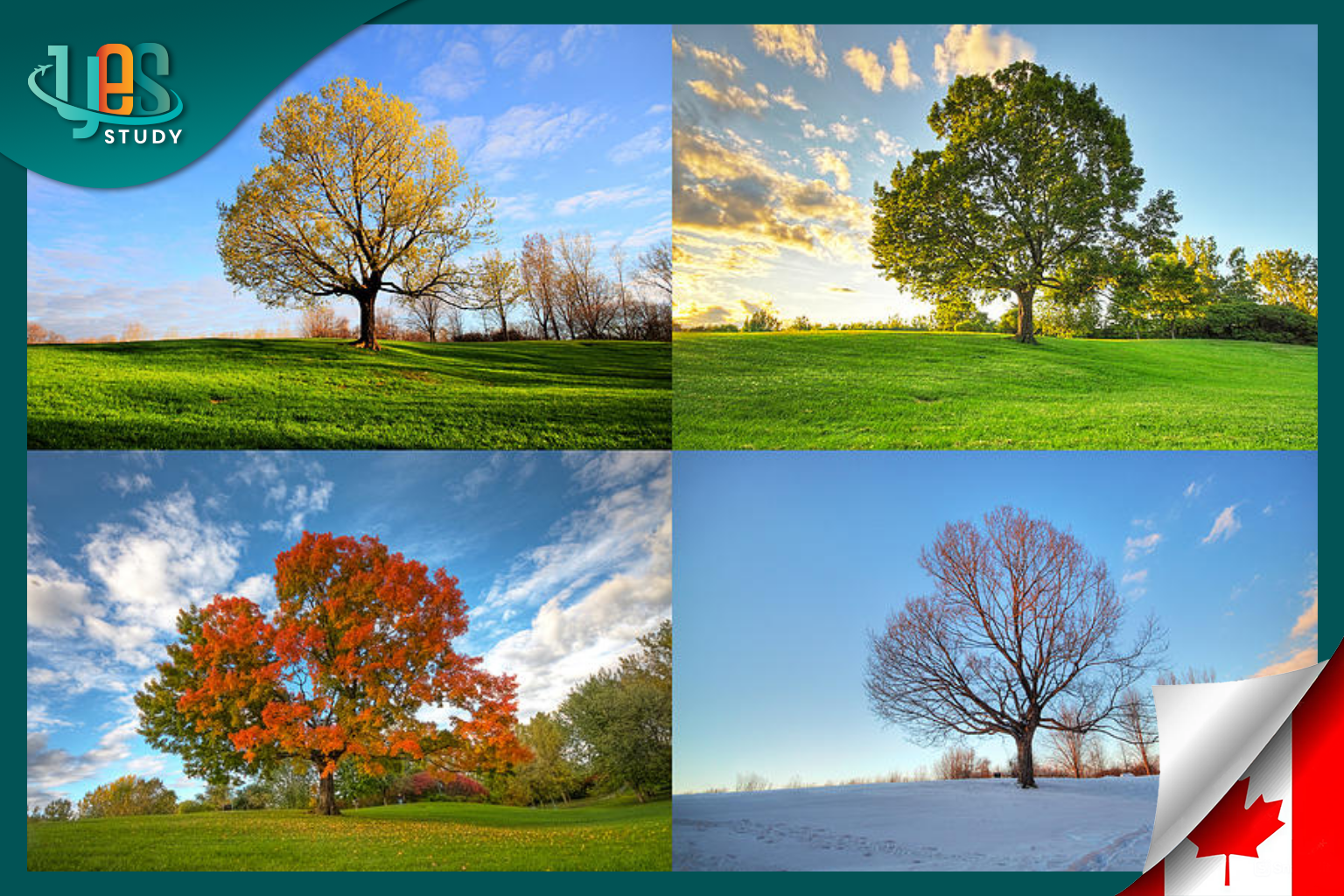
Climate in Canada: Four Seasons of the Year