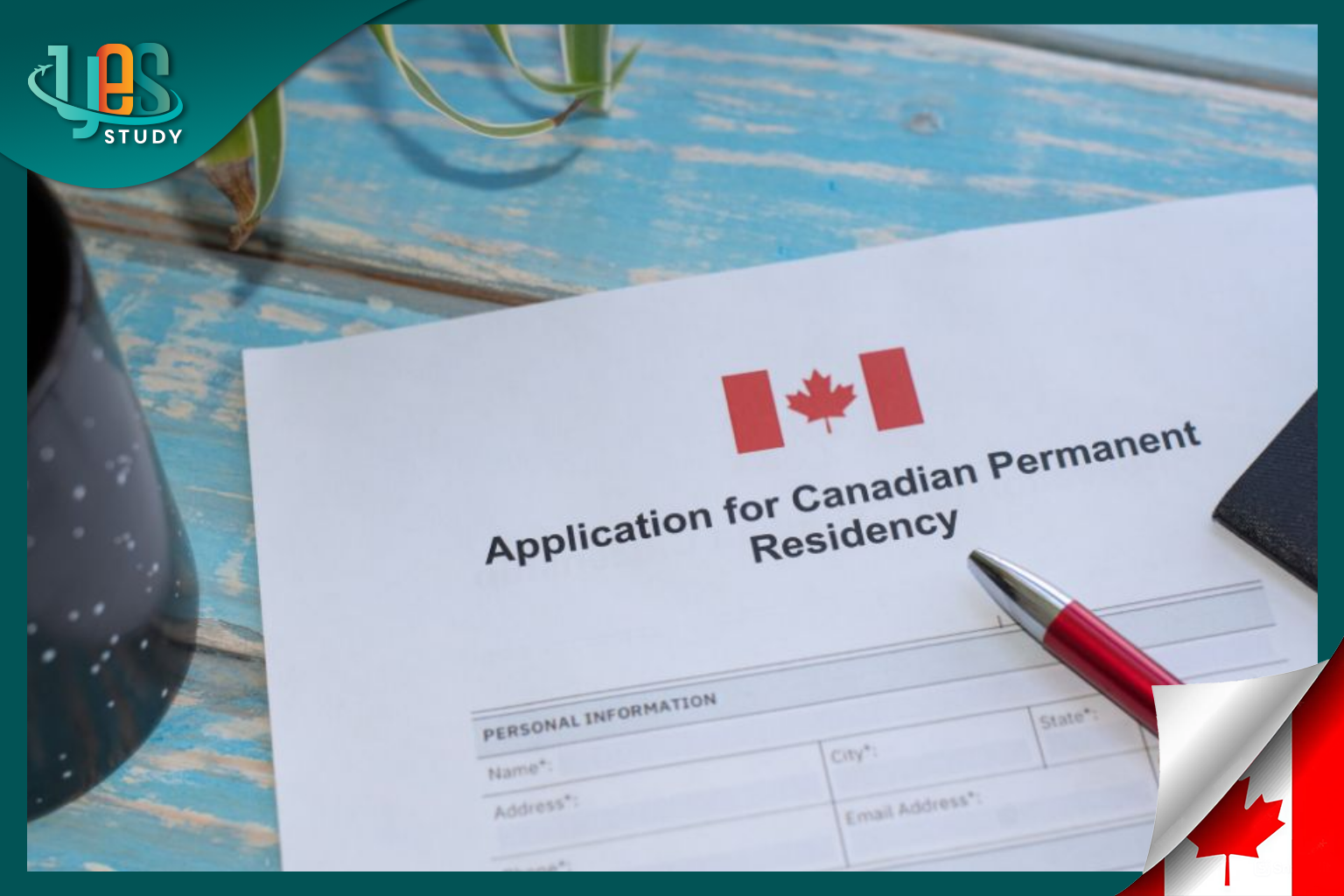
The easiest province to immigrate in Canada in 2025
Based on the federal immigration plan for 2025-2027 and the recent updates to Provincial Nominee Programs (PNP), we have analyzed which Canadian provinces currently offer the most accessible pathways for international applicants. At Yes Study, we receive daily inquiries about where the “easiest” place to immigrate is. The truth is, the “easiest” province depends entirely on your specific profile—your education, work experience, and language skills.
In this guide, we evaluate provinces based on four key criteria: low points thresholds, pathways that do not require a Job Offer, affordable living costs, and priority occupation lists.
1. Saskatchewan (SINP): The “No Job Offer” Leader
Saskatchewan consistently holds a top spot for ease of immigration. Their Expression of Interest (EOI) system often selects candidates with relatively low scores (starting from 60/110 points).
The highlight of the Saskatchewan Immigrant Nominee Program (SINP) is the Occupation In-Demand and Saskatchewan Express Entry streams. These are among the few pathways in Canada where you can apply without a Job Offer from an employer—a major hurdle for many applicants. In my years of consulting, I’ve seen these streams change lives for professionals who have the right experience but no local connections yet.
For 2025, Saskatchewan has shifted its strategy. While total quotas were reduced, the province committed to dedicating 75% of nominations to essential sectors like Healthcare, Education, and Agriculture. With a low cost of living (roughly $1,000 – $1,200/month for a single person in Saskatoon), it remains a premier choice for starting fresh.
See more: Saskatchewan Immigrant Nominee Program (SINP) details
2. Manitoba (MPNP): Best for Those with Family Ties
If you have a relative or even a close friend living in Manitoba, your immigration path becomes much wider. The Manitoba Provincial Nominee Program (MPNP) is famous for its “Supporter” policy, which grants significant points to candidates with a connection to the province.
The Skilled Worker Overseas stream is particularly attractive because it allows you to apply without a Job Offer if you can prove your connection. In 2025, Manitoba is actively inviting candidates in Healthcare and Manufacturing, sometimes accepting CRS scores below 400 in their provincial draws.
Furthermore, Manitoba has been proactive in extending Work Permits for MPNP candidates whose status is expiring, ensuring they can continue working while waiting for their Permanent Residency (PR).
3. Alberta (AAIP): The Tech and Energy Hub
Alberta has long been one of the most active provinces, often conducting Express Entry draws with record-low CRS scores (around the 300-point mark). For those in the tech sector, the Accelerated Tech Pathway offers a golden opportunity with significantly faster processing times.
However, transparency is key: due to extreme popularity, Alberta’s 2025 quotas for some streams filled up early. As of March 2025, the province has temporarily paused invitations for family-connection streams to prioritize urgent labor shortages in Construction and Energy.
4. Nova Scotia (NSNP): Flexibility in the Atlantic
Located on the Atlantic coast, Nova Scotia attracts immigrants through its flexible policies. They frequently conduct Targeted Draws for Healthcare and Construction workers without requiring excessively high points.
A notable update for 2025 is the implementation of a new EOI process for all streams. This system, which became fully operational in late 2024, makes the selection process more transparent and prioritizes candidates who fit the province’s specific “Blue Economy” (maritime) and infrastructure needs.
5. Ontario (OINP): The Talent Magnet
Despite being the most populous and competitive province, Ontario still holds the highest number of nominations in Canada (over 100,000 slots). The Human Capital Priorities stream is a standout, as it allows the province to “headhunt” Tech and Healthcare talent directly from the Express Entry pool without a Job Offer.
In 2025, Ontario is showing strong preference for two specific groups: French-speaking (Francophone) candidates and international students who graduated from STEM fields (Science, Technology, Engineering, and Math).
Check out: Ontario Immigrant Nominee Program (OINP) 2025 Updates
6. British Columbia (BC PNP): Efficiency for Tech & Healthcare
The BC PNP Tech stream continues to be one of the most efficient immigration programs for 35 specific tech occupations. With draws occurring almost weekly, tech professionals can receive a nomination quickly with scores lower than the general pool.
For 2025, BC has also prioritized Healthcare, Childcare, and Construction to address social infrastructure needs. While the cost of living in Vancouver is high, the high salaries and robust job market often balance the scale for skilled professionals.
7. Prince Edward Island (PEI PNP): Small Province, Fast Results
As Canada’s smallest province, PEI compensates with a streamlined and fast-tracked application process. The Labour Impact stream is an ideal choice for both entry-level and high-skilled workers looking for a peaceful life with the lowest living costs in Canada (roughly $1,100/month for basic expenses).
Since late 2024, PEI has updated its Invitation to Apply (ITA) system to focus heavily on Early Childhood Education, Construction, and Healthcare.
Summary: Which One Should You Choose?
To help you decide, we have summarized the “easiest” aspects of each province in the table below:
| Province | Best For… | Job Offer Required? |
|---|---|---|
| Saskatchewan | Low points & In-Demand occupations | No (for specific streams) |
| Manitoba | Family or friend connections | No (if you have a supporter) |
| Alberta | Tech workers & low CRS scores | Yes (for most streams) |
| Ontario | STEM graduates & French speakers | No (for Express Entry streams) |
Conclusion
So, which province is easiest to immigrate to? If you are looking for the lowest point thresholds and no job offer requirement, Saskatchewan (SINP) and Manitoba (MPNP) remain the strongest candidates for 2025. However, if you are a tech specialist, BC and Ontario might actually be “easier” for you due to the high volume of invitations.
Navigating these laws requires a strategic approach. We recommend staying updated with official IRCC changes and provincial draw results. If you want a personalized assessment of your profile to see which province offers you the highest chance of success, contact Yes Study today for expert guidance.

Related news

How to Transfer Money from Vietnam to Canada: 4 Safe and Legal Methods
Latest news

Taboos in Canada You Need to Know About

Canada Day 2026: History, Significance, and a Survival Guide for International Students

Guide to Applying for the Canada Super Visa (Latest 2026): Eligibility, Documentation, and LICO Income Requirements

Studying and Immigration in Alberta, Canada: Opportunities and Essential Information

Climate in Canada: Four Seasons of the Year