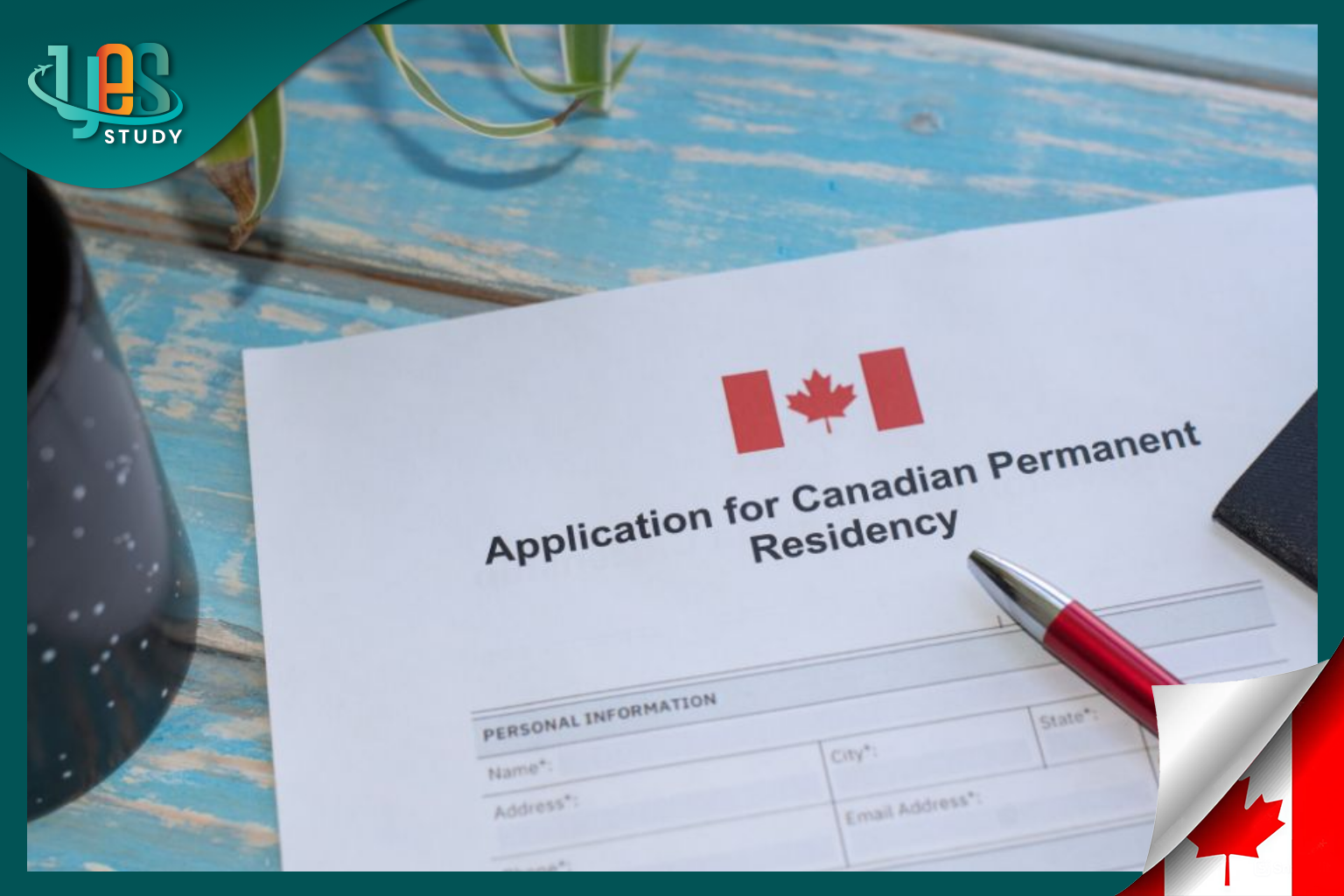
Getting married in Canada on a visitor visa
Getting married in Canada on a visitor visa is a common question many international couples ask, especially when they are eager to formalize their relationship. While the idea of a romantic wedding in the Great White North is appealing, the immigration implications are complex.
In this article, we provide a clear and honest analysis of the legal and immigration aspects involved. We will help you weigh the potential benefits against the significant risks—from visa refusals to permanent bans—so you can make an informed decision for your future together.
Can You Get Married in Canada on a Visitor Visa?
The short answer is yes, legally, but it is highly risky from an immigration perspective. It is crucial to distinguish between provincial marriage laws and federal immigration laws.
The Legal Perspective (Provincial)
Legally, Canadian law allows visitors to register a marriage in Canada as long as they meet the specific provincial requirements (e.g., being of legal age and providing valid identification). You do not need to be a citizen or permanent resident to get married. In provinces like Ontario or British Columbia, you simply need your passport, birth certificate, and potentially a certificate of non-impediment (proof of single status). The marriage will be legally recognized in Canada and can be used for registration abroad.
The Immigration Perspective (Federal/IRCC)
From an immigration standpoint, this path is often discouraged. While the act of getting married does not technically violate visitor visa conditions, the intent behind your entry matters. If Immigration, Refugees and Citizenship Canada (IRCC) suspects you entered with the primary intent of marrying and staying permanently rather than just visiting, you could be accused of visa fraud. This can lead to a refusal of stay extensions, deportation, or a ban from Canada ranging from five years to a lifetime.
Four Major Risks of Marrying on a Visitor Visa
Before you book that flight, consider these four “red flags” that IRCC officers look for:
1. Suspicion of a “Marriage of Convenience”
IRCC scrutinizes the authenticity of the relationship. If they suspect the primary purpose of the marriage is to gain immigration status (a “marriage of convenience”), the sponsorship application will almost certainly be denied. An application where a couple marries shortly after one partner arrives as a tourist is often placed under a microscope, requiring extensive evidence of a genuine relationship.
2. Accusations of “Misrepresentation”
If you apply for a visitor visa (a temporary intent) but perform a permanent act (marrying to settle), you may be accused of Misrepresentation. Under the Immigration and Refugee Protection Act, hiding your true intentions from a CBSA officer at the border is a serious offense. This can lead to an immediate five-year ban from Canada.
3. Challenges with Inland Sponsorship
If you choose to marry and apply from within Canada (Inland Sponsorship), you may face several hurdles:
- Processing Times: While some cases are fast, others can take a long time. In 2025, some wait times have fluctuated significantly.
- Lack of Benefits: During the wait, you may not have access to provincial health insurance (like OHIP) and cannot work until you receive an Open Work Permit, which only comes after the “Acknowledgment of Receipt” (AOR).
- Travel Restrictions: If the sponsored person leaves Canada while the Inland application is in progress, the application may be considered abandoned, forcing you to start all over.
4. No Right of Appeal for Inland Refusals
One of the biggest disadvantages of marrying and applying from within Canada is that if the application is refused, there is generally no right of appeal to the Immigration Appeal Division (IAD). You would have to seek a Judicial Review in Federal Court, which is much more difficult and costly.
The Safer Path: Outland Sponsorship
Based on our experience at Yes Study, the most transparent and secure route is often Outland Sponsorship. This is where the marriage is formalized (often in the applicant’s home country) and the application is submitted while the applicant is outside Canada.
Why we often recommend this path:
- Transparency: There is no question of “hiding intent” at the border.
- Right of Appeal: If the application is refused, you have the right to appeal to the IAD.
- Freedom of Movement: The applicant can continue to live their life, work, and even visit Canada (if they have a valid visa) without the risk of abandoning their application.
See more on official procedures: IRCC Spouse Sponsorship Guide
Requirements for Spouse Sponsorship
Whether you apply from inside or outside Canada, the core of the application is proving that your marriage is genuine. Here are the basic requirements:
For the Sponsor (the person in Canada):
- Must be a Canadian citizen or Permanent Resident.
- Must be at least 18 years old.
- Must not be receiving social assistance (except for disability).
- Must sign an Undertaking, promising to provide for the basic needs of the sponsored person for 3 years.
For the Proof of Relationship:
This is the “heart” of your file. IRCC officers are trained to detect fraud. You must provide:
- Legal Documents: Original marriage certificate.
- Relationship History: Photos from different stages (dating, wedding, honeymoon), boarding passes from visits, and chat logs/emails.
- Social Recognition: Letters from friends and family acknowledging the relationship.
- Joint Finances: Joint bank accounts, shared utility bills, or residential leases with both names.
Frequently Asked Questions (FAQs)
Can I stay in Canada permanently immediately after getting married?
No. Getting married changes your marital status, not your immigration status. You remain a visitor and must adhere to your visa expiry date. You must apply for Permanent Residency (PR) and wait for approval to stay permanently.
How long does the sponsorship process take?
The average processing time is approximately 12 months, though simple and well-prepared files can sometimes be processed in 6 to 10 months.
How much does it cost?
The government fees are approximately $1,080 CAD (including processing fees, the right of permanent residence fee, and biometrics). This does not include medical exams, translations, or professional consulting fees.
Conclusion
In summary, while you can legally marry in Canada on a visitor visa, the immigration risks are substantial. Attempting to take a “shortcut” can lead to accusations of misrepresentation and long-term bans. At Yes Study, we believe that transparency with IRCC and following the correct sponsorship channels is the best foundation for your new life in the Maple Leaf country.
If you need a safe roadmap tailored to your specific situation, contact Yes Study today. Our immigration experts are here to ensure your journey toward a life together in Canada is smooth and successful.

Related news

How to Immigrate to Canada with Your Family in 2026: Comprehensive Guide

Canada Immigration 2026: Requirements and Visa Procedures
Latest news

Taboos in Canada You Need to Know About
Canada Day 2026: History, Significance, and a Survival Guide for International Students

Guide to Applying for the Canada Super Visa (Latest 2026): Eligibility, Documentation, and LICO Income Requirements

Studying and Immigration in Alberta, Canada: Opportunities and Essential Information

Climate in Canada: Four Seasons of the Year