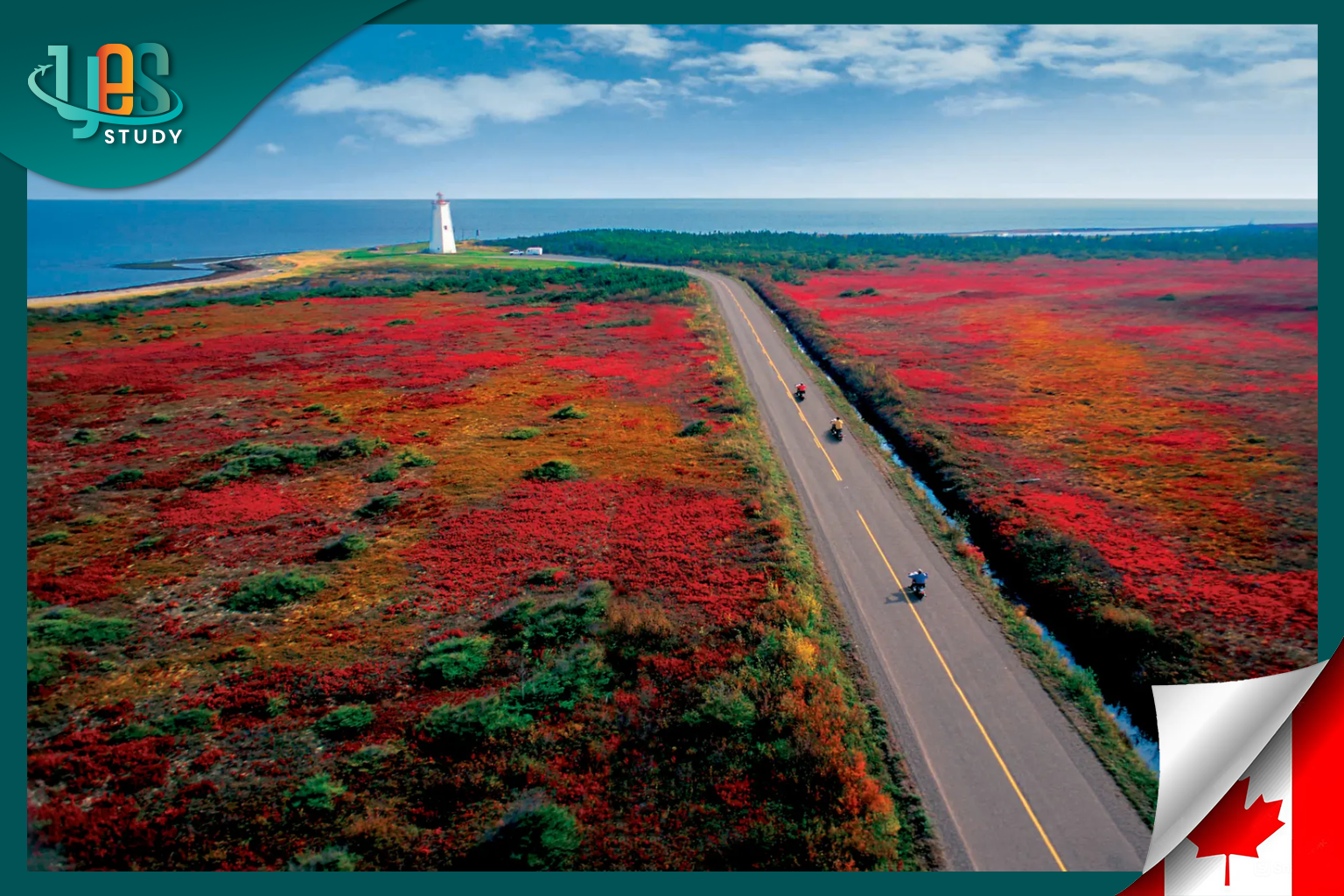
Agriculture in Canada 2026: Wages, Conditions, and Pathways to Permanent Residency
Can working in agriculture in Canada lead to permanent residency for your entire family? The answer is a resounding yes. Thanks to the extension of the Agri-Food Pilot (AFIP) and ongoing federal labor adjustments, agricultural employment has emerged as one of the most practical, cost-effective, and low-competition immigration pathways for international workers.
As a specialized immigration consultancy headquartered in Toronto, Yes Study breaks down the realities of salaries, working conditions, and sustainable farming immigration pathways in this detailed guide.
Overview of Agricultural Work in Canada
Agricultural work in Canada—commonly referred to as working on a “farm”—spans diverse operations, from vast grain fields and fruit orchards to high-tech greenhouse complexes and modern dairy operations. No matter the specific role, candidates must be prepared for rigorous physical labor and distinct seasonal fluctuations. During peak harvest seasons, long hours and weekend shifts are common to ensure productivity and crop quality.
Current Status and Potential of Farming Jobs in Canada
As one of the world’s largest agricultural exporters, Canada relies heavily on millions of hectares of fertile farmland stretching from British Columbia to the Atlantic provinces. However, the nation faces an aging domestic workforce and severe localized labor shortages.
According to the Canadian Agricultural Human Resource Council (CAHRC), the agricultural sector faces projected shortages of over 100,000 workers. The federal government classifies agriculture as a vital national industry critical to food security, leading to streamlined work permit and permanent residency (PR) pathways.
Popular Agricultural Roles
1. General Farm Workers & Crop Harvesters
These roles see the highest volume of recruitment, particularly year-round in automated greenhouses across Ontario and British Columbia. Daily duties include seeding, pruning, crop maintenance, and harvesting produce such as berries, apples, grapes, and greenhouse vegetables.
2. Livestock Labourers
Working on livestock farms (dairy, swine, or poultry) in prairie provinces like Alberta or Saskatchewan demands patience and technical aptitude. Responsibilities include feeding animals, cleaning barns, monitoring livestock health, and operating automated machinery such as robotic milking systems and automated feed distribution units.
Salaries in Canadian Agriculture
Agricultural wages in Canada are regulated strictly by provincial labor laws to ensure fairness between domestic and foreign workers.
According to the Government of Canada’s Job Bank, entry-level general farm worker wages range between $16.00 and $22.00 CAD per hour. Specialized positions involving complex machinery operation or farm supervision often command $25.00 to $32.00 CAD per hour.
| Province | Average Hourly Wage (CAD) | Notes & Immigration Opportunities |
|---|---|---|
| Ontario | $16.55 – $21.00 | Concentration of greenhouse farms; moderate-high living costs. |
| British Columbia (BC) | $17.40 – $22.50 | Primarily fruit orchards; mildest climate. |
| Alberta | $16.00 – $23.00 | Large-scale livestock production; low provincial tax rates. |
| Saskatchewan | $15.00 – $20.00 | Affordable living costs; expanding provincial nominee streams. |
Requirements to Work in Canadian Agriculture
- Physical Stamina: Agricultural work requires endurance, good health (free of infectious diseases like tuberculosis), and the ability to work outdoors or in greenhouse environments across varying weather conditions.
- Language Proficiency: While seasonal work requires only basic communication for safety instructions, permanent residency pathways require a minimum language level of CLB 4 (roughly IELTS 4.5 Listening, 3.5 Reading, 4.0 Writing, 4.0 Speaking).
- Work Experience: Depending on the visa stream, employers hiring through the Temporary Foreign Worker Program (TFWP) or LMIA-backed pathways will verify your relevant farming background.
Immigration Pathways: From Farm Worker to Permanent Resident (PR)
The Agri-Food Pilot (AFIP)
The AFIP serves as a dedicated pathway to permanent residency for experienced non-seasonal workers in eligible agricultural and food processing occupations. Key requirements include:
- At least 1 year of continuous, non-seasonal work experience in Canada (minimum 1,560 hours) within eligible NOC codes.
- A valid, full-time, indeterminate job offer from an approved Canadian employer outside Quebec.
- Minimum language proficiency at CLB 4.
- High school education or higher (validated by an Educational Credential Assessment – ECA).
Provincial Nominee Programs (PNP)
Provinces also manage targeted immigration streams:
- Saskatchewan Experience Stream (Agri-Food Sector): For workers who have completed at least 6 months of agricultural employment within the province.
- Alberta Opportunity Stream (AOS): For eligible agricultural workers currently employed under valid work permits in Alberta.
Challenges and Practical Considerations
While farming in Canada offers life-changing opportunities, applicants should anticipate certain realities:
- Extreme Weather: Winters across the prairies and central provinces can drop below -20°C, requiring resilience and cold-weather adaptation.
- Rural Isolation: Farms are typically located in rural farming communities away from major urban centers.
- Employer Verification: Securing a legitimate employer willing to support LMIA filings and long-term PR commitments is critical to your immigration success.
Conclusion
Agricultural employment in Canada offers a practical, highly rewarding pathway to permanent residency for resilient workers. Success relies on physical preparedness, basic language proficiency, and clear legal pathways supported by trusted immigration professionals.
With a network of verified employers and our direct office in Toronto, Yes Study stands ready to support your family from initial credential assessment to securing your PR cards. Contact us today!

Related news
Canada Skilled Worker Immigration 2026: Requirements, Costs, and the Fastest PR Roadmap

Studying and Immigration in Alberta, Canada: Opportunities and Essential Information
Prince Albert, Canada Travel: Discover Saskatchewan’s “Gateway to the North”
Latest news

The journey of studying abroad in Canada from Grade 11

Studying in Canada from Grade 12: Is it a good idea, and what is the detailed roadmap?

Studying in Canada: Is It True That Parents Can Obtain a 10-Year Visa? Requirements for Visa Application

Sponsoring Parents and Grandparents to Canada in 2026: A Detailed Guide to the PGP and Super Visa

Guide to Renewing a Canadian Work Permit in 2026: Requirements, Process, and Important Considerations