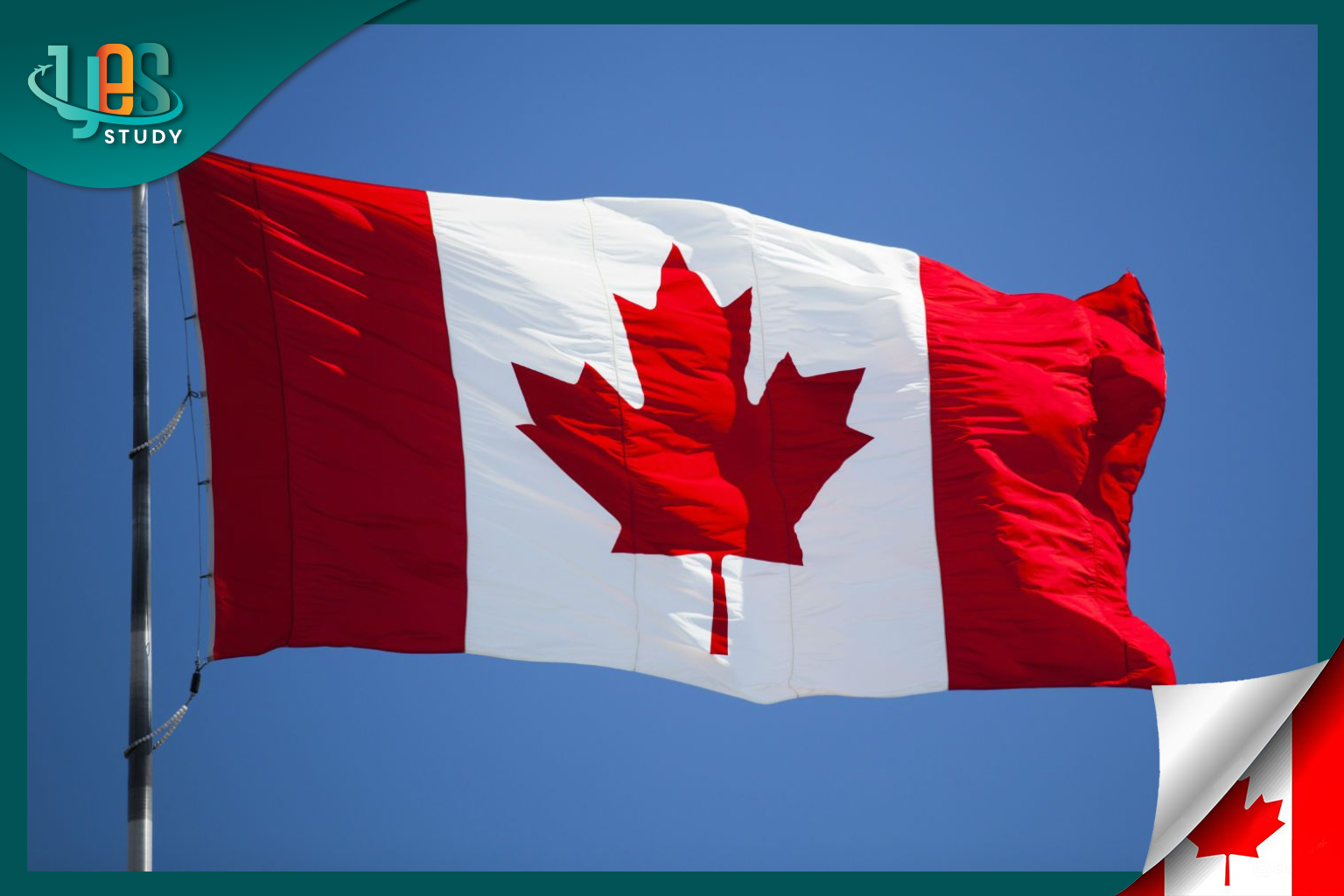
Requirements for studying in Canada in 2025-2026
According to IRCC data, Canada welcomed over 1.04 million international students in 2024, with nearly 22,000 from Vietnam. While Canada remains committed to welcoming international talent, the requirements for finances, English proficiency, and visa documentation have become more stringent since 2025.
Accurate updates on the latest requirements for studying in Canada in 2026 will help you confidently map out a clear preparation plan regarding academics, English language skills, finances, and visa.
1. Academic and Age Requirements
Canada is flexible regarding age, but your academic background must be clear and consistent. There is no strict age limit, but “study gaps” must be explained with valid work experience or personal development reasons.
| Level of Study | Academic Requirements |
|---|---|
| High School | Under 18; GPA 6.5+ (last 2 years) |
| College | High School Graduate; GPA 6.5+ |
| University | High School/College Graduate; GPA 7.0+ (7.5+ for top tier) |
| Postgraduate | University Graduate; GPA 7.0+ (8.0+ for research masters) |
2. Language Proficiency Requirements
English is the primary language of instruction (except in Quebec). IELTS Academic is the most widely accepted certificate.
- College: IELTS 6.0 (no band below 5.5).
- University: IELTS 6.5 (no band below 6.0).
- Postgraduate: IELTS 6.5–7.0 (no band below 6.0).
Pro tip: If your score is insufficient, consider “Pathway” (ESL) programs offered by many colleges and universities to improve your language skills before starting your main program.
3. Financial Requirements
As of September 1, 2025, IRCC requires a minimum of CAD $22,895/year for living expenses, excluding tuition fees.
Crucial Update: The Student Direct Stream (SDS) was officially suspended on November 8, 2024. Therefore, GIC is no longer a mandatory requirement, but it remains a strong supporting document for your financial profile.
Advice: I recommend demonstrating financial capacity 20-30% above the minimum requirement to prove that your family is financially secure and not under extreme strain.
4. Understanding the Provincial Attestation Letter (PAL)
Since early 2024, most post-secondary students require a Provincial Attestation Letter (PAL) to apply for a study permit. This is an official confirmation from the provincial government allowing you to count toward their annual quota of international students. Once you receive your Letter of Acceptance (LOA), the school will guide you through the process of obtaining this document.
5. Visa Processing Time
As of November 2025, processing times for study permits filed from outside Canada typically range from 8 to 12 weeks, though it can extend up to 20 weeks during peak seasons. Start your application 6-9 months before your intake date.
6. Medical Examination
Required for programs exceeding 6 months. You must use a Panel Physician authorized by the IRCC. In Vietnam, all exams must be conducted through the International Organization for Migration (IOM) in Hanoi or Ho Chi Minh City.
Key Locations in Vietnam:
- Hanoi: 31 Hung Vuong St., Ba Dinh Dist. | (024) 3946 1120
- Ho Chi Minh City: Metropolitan Building, 235 Dong Khoi St., Dist. 1 | (028) 3824 3940
Common Mistakes to Avoid
- Last-Minute Filing: Always build in a buffer for document delays or requests for additional info.
- Unclear Financial Source: Large, sudden deposits without proof of source are a major red flag for visa officers.
- Illogical Study Paths: Ensure your chosen program aligns with your previous education or career experience.
- Generic SOP: Your Statement of Purpose (SOP) should be personal, specific, and link your chosen program to your future career goals.
Conclusion
Navigating the Canadian visa process can be complex, but with a logical plan and careful documentation, your dream is well within reach. If you feel uncertain, Yes Study is here to support you. With our team of experts and offices in Toronto, we provide end-to-end guidance from school selection to landing in Canada.

Related news
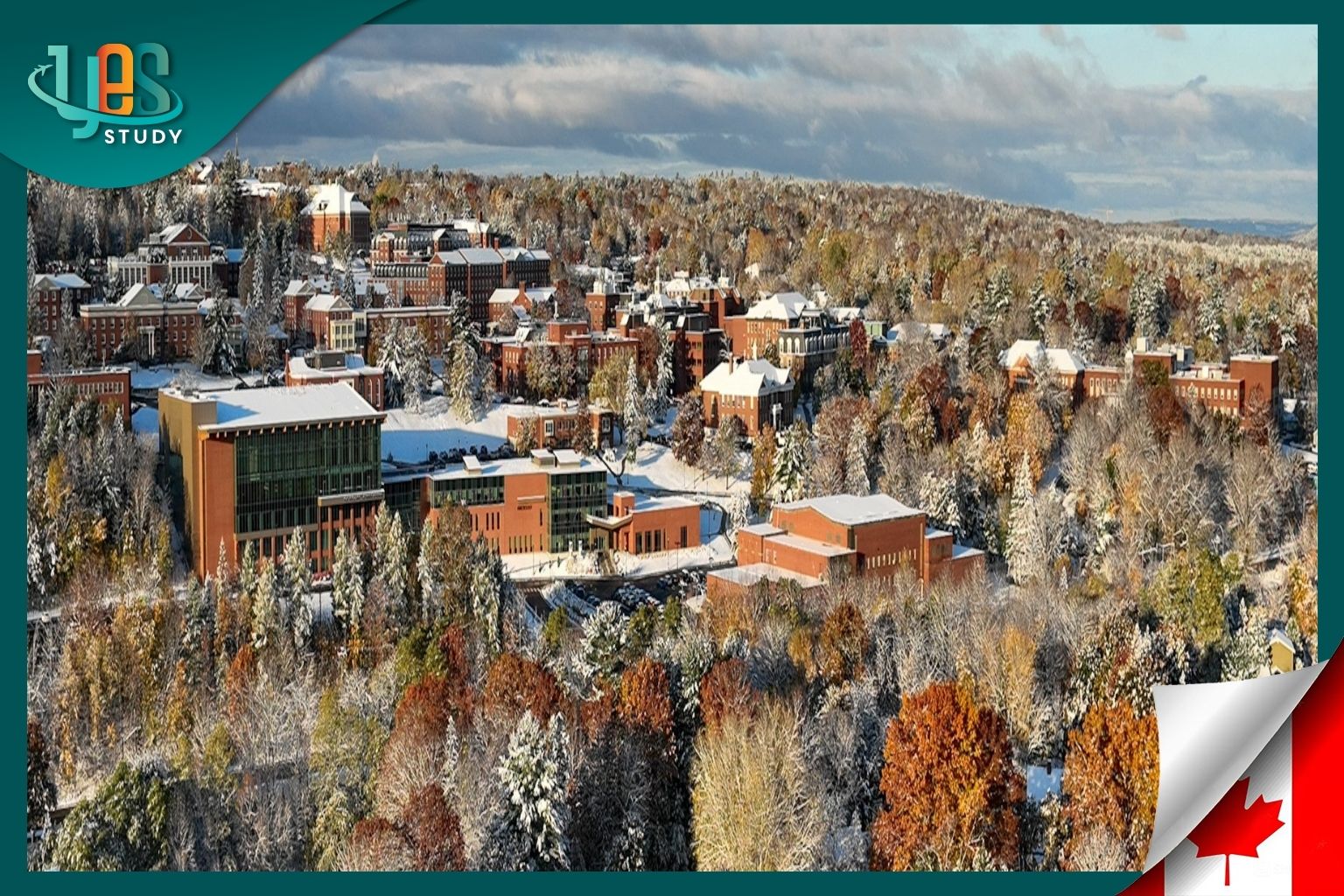
Top 12 Universities with Low Tuition Fees in Canada 2026
Latest news

Giving Birth in Canada in 2026: Costs, EI Benefits, and Procedures from A to Z
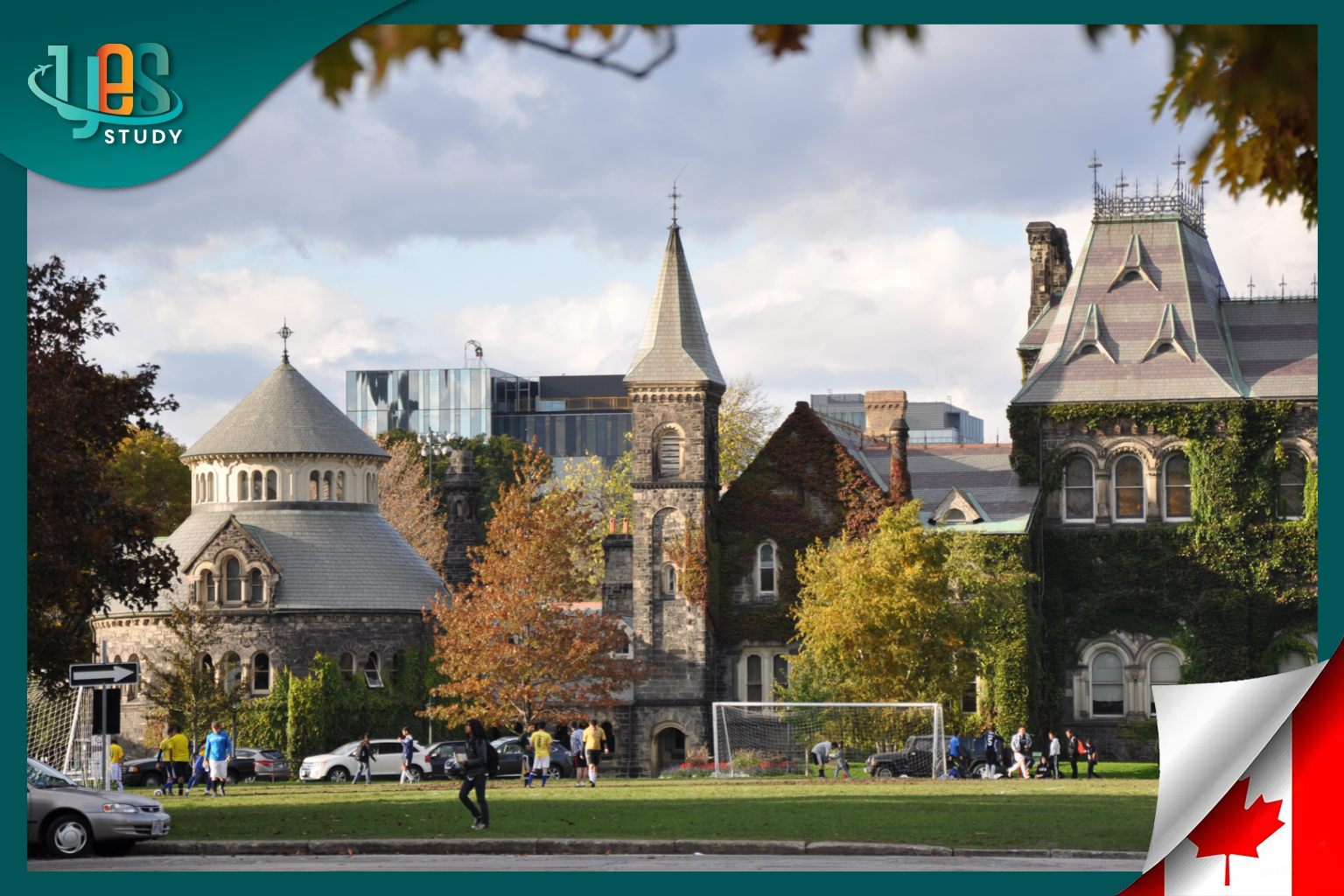
Top Universities in Canada for 2026: Rankings and a Guide to Choosing a School Under New Policies

Guide to Applying for a Canadian visitor visa (family/friend visit) in 2026: Requirements, Documentation, and Tips to Increase Your Chances of Approval
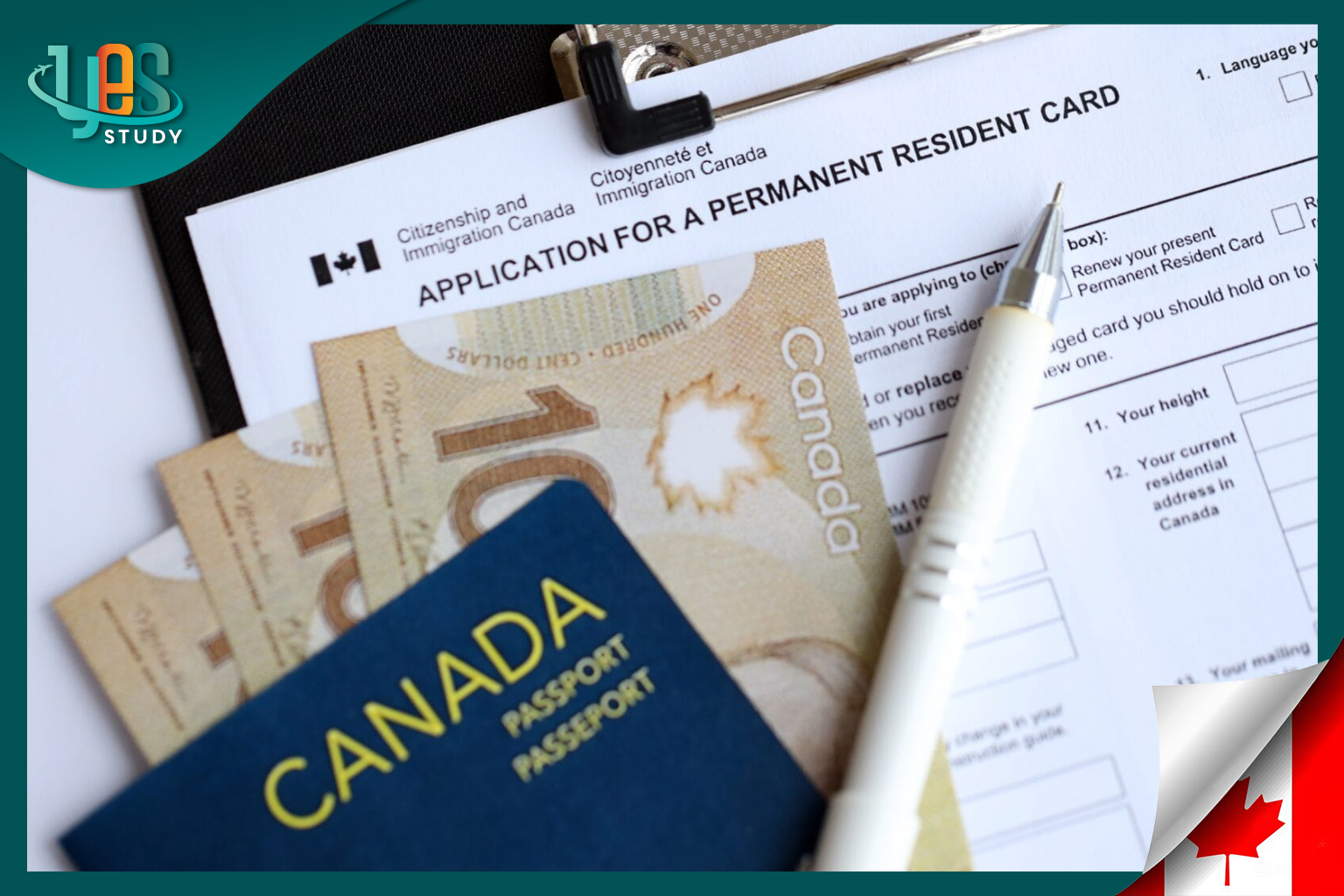
Guide to Obtaining a Canadian Work Visa: Requirements, Procedures, and Opportunities for 2026

Agriculture in Canada 2026: Wages, Conditions, and Pathways to Permanent Residency