
Studying and Immigration in Alberta, Canada: Opportunities and Essential Information
Alberta, often considered a crown jewel of Canada, is not only famous for its majestic natural landscapes like the magnificent Rocky Mountains but also serves as a premier destination for international students and immigrants. With a thriving economy—particularly driven by the energy sector—Alberta, Canada offers boundless opportunities for education, career growth, and long-term residency. But what truly makes the province of Alberta stand out?
In this guide, we draw from our years of experience in Toronto and across Canada to provide a comprehensive overview of Alberta. We’ll explore everything from its geography and history to its unique political landscape and lifestyle, helping you decide if this is the right place for your Canadian dream.
Alberta at a Glance: An Overview
Before diving into the specifics of moving there, let’s look at the basic facts that define the province.
| Category | Key Information |
|---|---|
| Geography | Located in Western Canada, Alberta is bordered by the Rockies and British Columbia to the west, Saskatchewan to the east, the Northwest Territories to the north, and Montana, USA to the south. |
| Area & Population | Covering approximately 661,848 km², it is significantly larger than many European countries. The population is estimated at 4.6 million (2024), offering a high ratio of space and nature per person. |
| Climate | A continental climate with warm, dry summers (15°C–25°C) and long, cold winters (-15°C to -5°C). A unique feature is the “Chinook” wind, which can raise temperatures abruptly in winter. |
The Evolution of Alberta: From Fur Trade to Oil Giant
Indigenous Roots and Early Exploration
Long before it became a province, the land we now call Alberta was home to various Indigenous tribes, including the Blackfoot, Cree, and Tsuut’ina. They lived in harmony with the land for thousands of years, relying on the buffalo and the rivers. In the 18th century, European explorers and fur traders from the Hudson’s Bay Company arrived, establishing trade routes that would shape the region’s early economy.
Becoming a Province (1905)
On September 1, 1905, Alberta officially joined the Canadian Confederation as the eighth province. It was named after Princess Louise Caroline Alberta, the fourth daughter of Queen Victoria. This was a pivotal moment, marking the beginning of organized governance and rapid settlement.
Economic Milestones
Alberta’s economy was initially rooted in agriculture and ranching. However, a major shift occurred in 1947 when a massive oil reserve was discovered at Leduc, near Edmonton. This “oil strike” transformed Alberta into an energy powerhouse, attracting billions in investment. Today, we are seeing the province diversify into technology, film production, and sustainable agriculture, aiming for a more resilient future.
Governance and the Political Landscape
Understanding the local government is helpful for newcomers, as provincial policies directly affect healthcare, education, and immigration.
| Category | Details |
|---|---|
| Government Model | Follows the Westminster parliamentary system. The Legislative Assembly of Alberta is the law-making body, headed by the Premier. |
| Political Parties | Currently led by the United Conservative Party (UCP) under Premier Danielle Smith. The main opposition is the New Democratic Party (NDP). |
| Immigration Policies | Alberta is proactive in attracting talent through the Alberta Advantage Immigration Program (AAIP), designed to nominate individuals who can fill local labor shortages. |
Culture and Daily Life: The Alberta Experience
Life in Alberta is a blend of rugged “Western” heritage and modern, multicultural urbanity.
- Multiculturalism: Major cities like Calgary and Edmonton are incredibly diverse. When I walk through these cities, I see a rich tapestry of restaurants, festivals, and religious centers that welcome people from all over the world.
- Iconic Events: The Calgary Stampede in July is a world-famous celebration of cowboy culture. Meanwhile, Edmonton hosts the Fringe Festival, the second-largest fringe theatre festival in the world.
- Etiquette Tips: Canadians in Alberta value politeness and personal space. Simple phrases like “please” and “thank you” go a long way. It’s also common for people to hold doors open for others—a small but meaningful part of the local social fabric.
Academic Opportunities: Top-Tier Education
Alberta’s education system is highly regarded globally. The province invests heavily in its schools, ensuring students have access to modern facilities and expert faculty.
| Institution | Key Highlights | Estimated Tuition (Year) |
|---|---|---|
| University of Alberta | A top-5 Canadian university; strong in Engineering, AI, and Medicine. | CAD 30,000 – 45,000 |
| University of Calgary | Leading research institution; excellent Business and Law programs. | CAD 28,000 – 40,000 |
| SAIT | Top technical institute focusing on practical, industry-ready skills. | CAD 18,000 – 25,000 |
*Note: Scholarships and financial aid are available for international students based on merit and financial need.
Career Growth and Permanent Residency (PR)
The labor market in Alberta is dynamic. While energy remains a pillar, sectors like healthcare, construction, and information technology are seeing a surge in demand.
Pathways to Immigration in Alberta
The Alberta Advantage Immigration Program (AAIP) is a cornerstone for those wishing to immigrate. Whether you are a skilled worker, a graduate from an Alberta post-secondary institution, or an entrepreneur, there is a stream tailored for you. Completing a degree in Alberta often grants you additional points and easier access to the Post-Graduation Work Permit (PGWP), which is a vital step toward PR.
The Cost of Living: Budgeting for Success
While Alberta doesn’t have a provincial sales tax (GST only), making shopping cheaper, housing costs have risen in major cities. Here is an estimate for a single person’s monthly budget:
| Item | Estimated Cost (CAD) |
|---|---|
| Housing (1-Bedroom Apartment) | $1,400 – $1,900 |
| Food & Groceries | $350 – $550 |
| Public Transportation | $100 – $120 |
| Utilities & Internet | $200 – $300 |
| Total Estimated | $2,050 – $2,870 |
Major Cities: Calgary vs. Edmonton
Most newcomers choose between these two major hubs:
- Calgary: Often ranked as one of the most livable cities in the world. It is the financial center of the province and is closer to the mountains. It tends to be slightly more expensive but offers more private-sector jobs.
- Edmonton: The provincial capital and “Festival City.” It has a slightly lower cost of living and is known as a major educational and government hub. Many students find the community vibe in Edmonton very supportive.
Preparation Checklist for Your Move
Before you depart for Alberta, ensure you have the following ready:
- Documentation: Valid Study Permit, Letter of Acceptance, and proof of funds.
- Winter Gear: Don’t buy everything at home. You’ll need high-quality thermal wear and a down jacket designed for -20°C, which are best bought upon arrival in Canada.
- Language Skills: Strong English is the key to both social and academic success.
- Open Mindset: Be ready to embrace the “Chinook” winds and the friendly, hardworking spirit of Albertans.
Conclusion
Alberta is a province of immense potential. Whether you are drawn by the world-class universities, the robust job market, or the chance to live near the world’s most beautiful mountains, it offers a high standard of living and a clear path to your future. At Yes Study, we have helped hundreds of students find their place in Alberta, and we are ready to help you too.
Have questions about your visa application or choosing the right school? Contact us today to start your journey!

Related news

Giving Birth in Canada in 2026: Costs, EI Benefits, and Procedures from A to Z
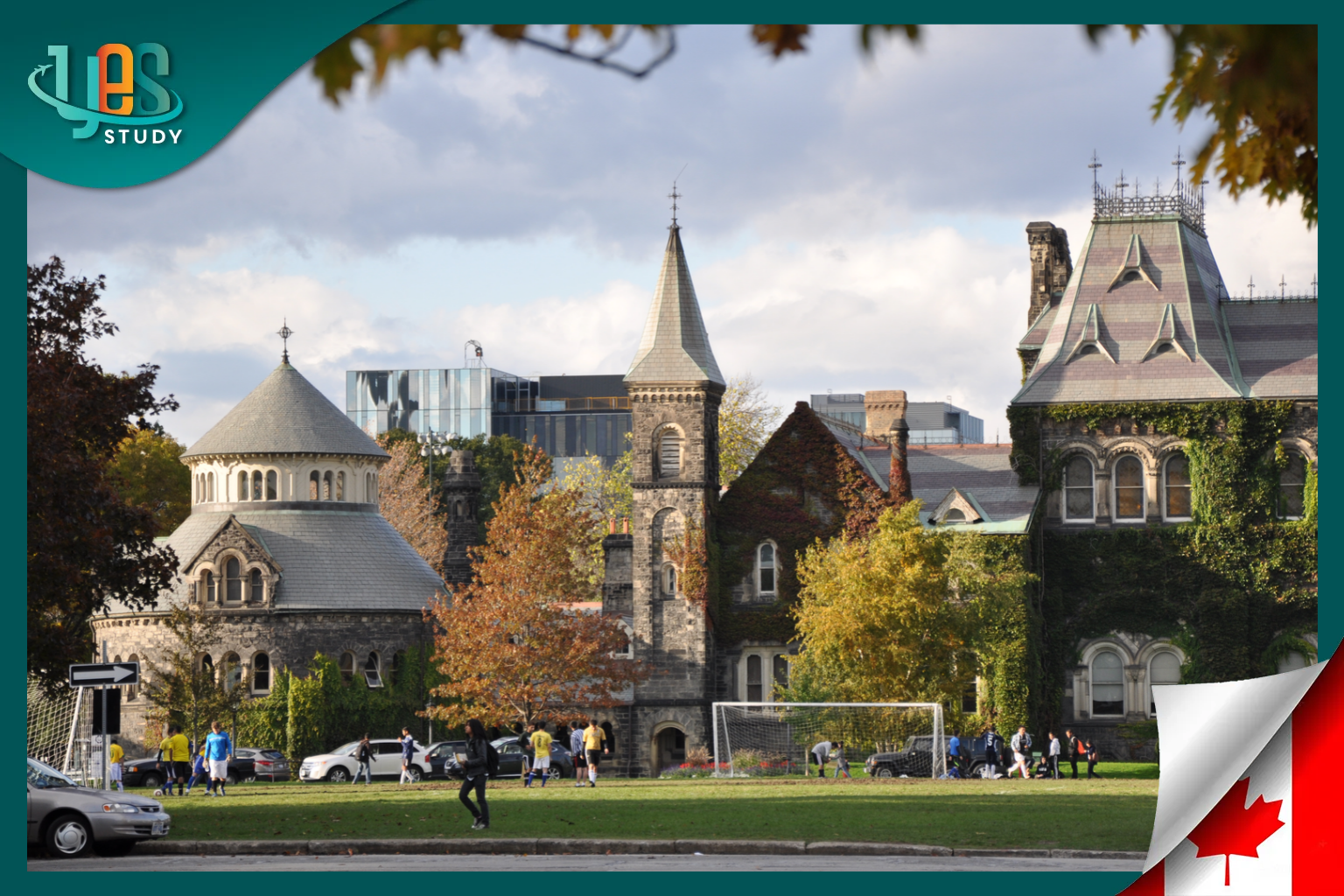
Top Universities in Canada for 2026: Rankings and a Guide to Choosing a School Under New Policies

Guide to Applying for a Canadian visitor visa (family/friend visit) in 2026: Requirements, Documentation, and Tips to Increase Your Chances of Approval
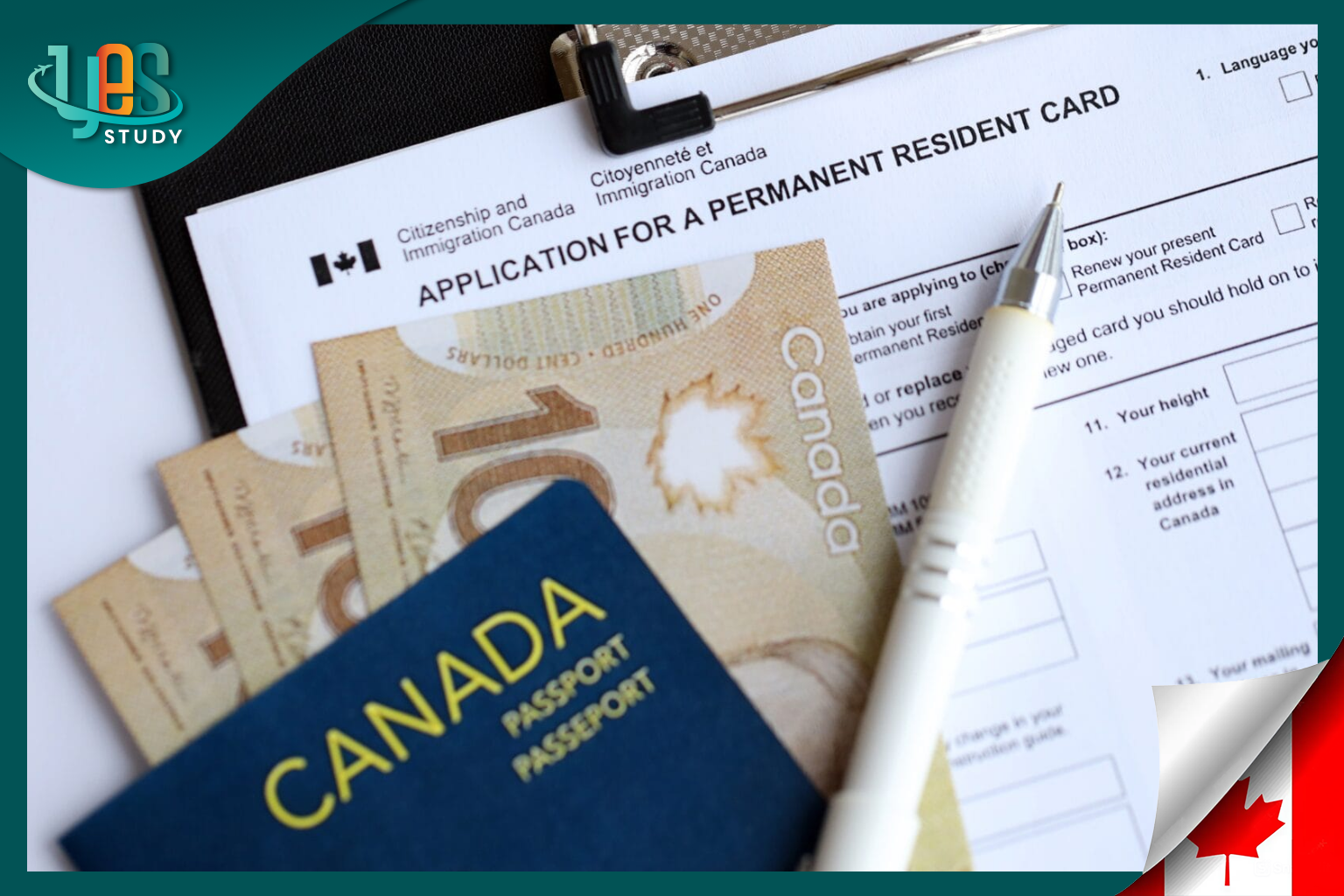
Guide to Obtaining a Canadian Work Visa: Requirements, Procedures, and Opportunities for 2026
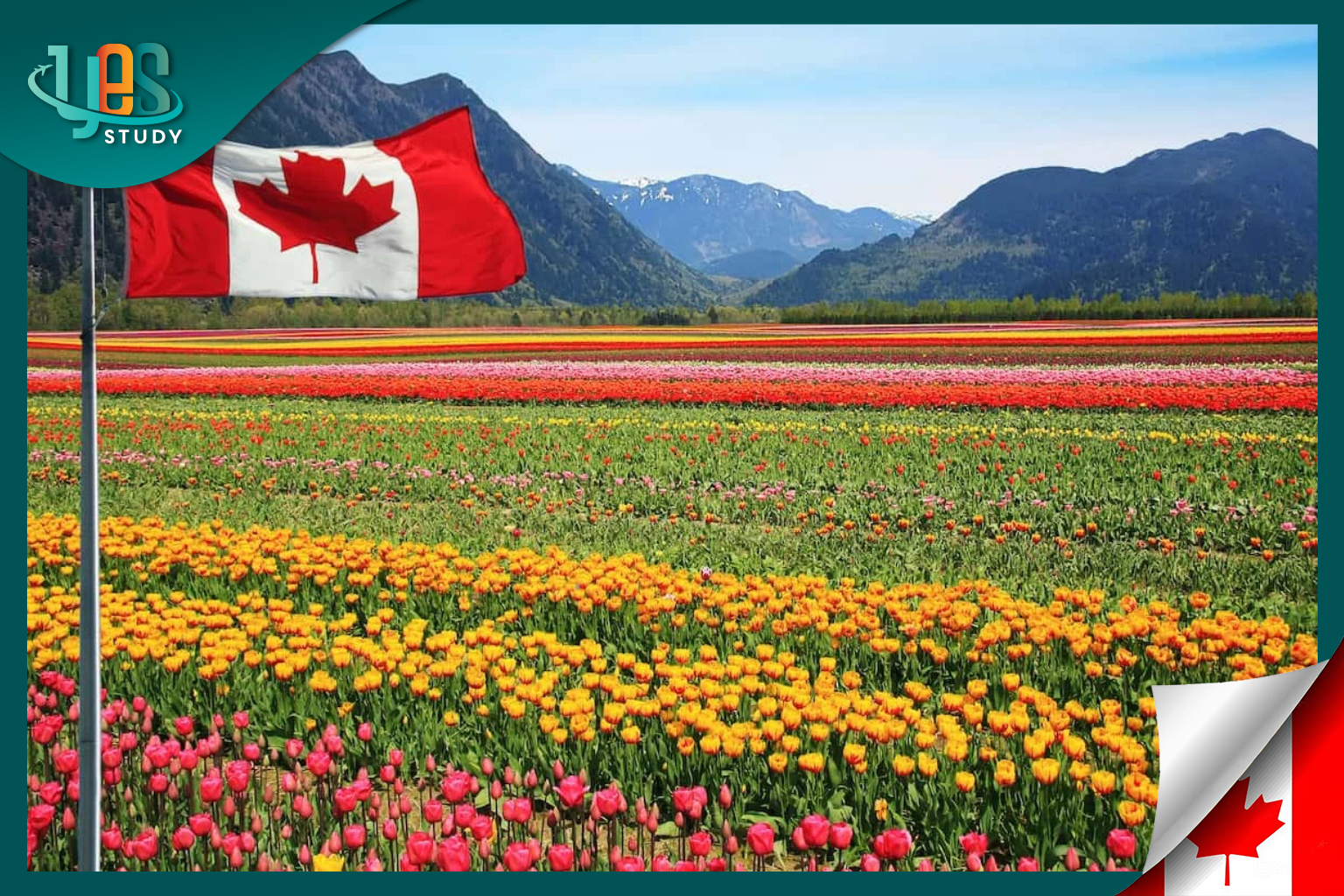
Agriculture in Canada 2026: Wages, Conditions, and Pathways to Permanent Residency
What will the average salary in Canada be in 2026? Detailed updates by industry and province
Latest news
Giving Birth in Canada in 2026: Costs, EI Benefits, and Procedures from A to Z
Top Universities in Canada for 2026: Rankings and a Guide to Choosing a School Under New Policies
Guide to Applying for a Canadian visitor visa (family/friend visit) in 2026: Requirements, Documentation, and Tips to Increase Your Chances of Approval
Guide to Obtaining a Canadian Work Visa: Requirements, Procedures, and Opportunities for 2026
Agriculture in Canada 2026: Wages, Conditions, and Pathways to Permanent Residency