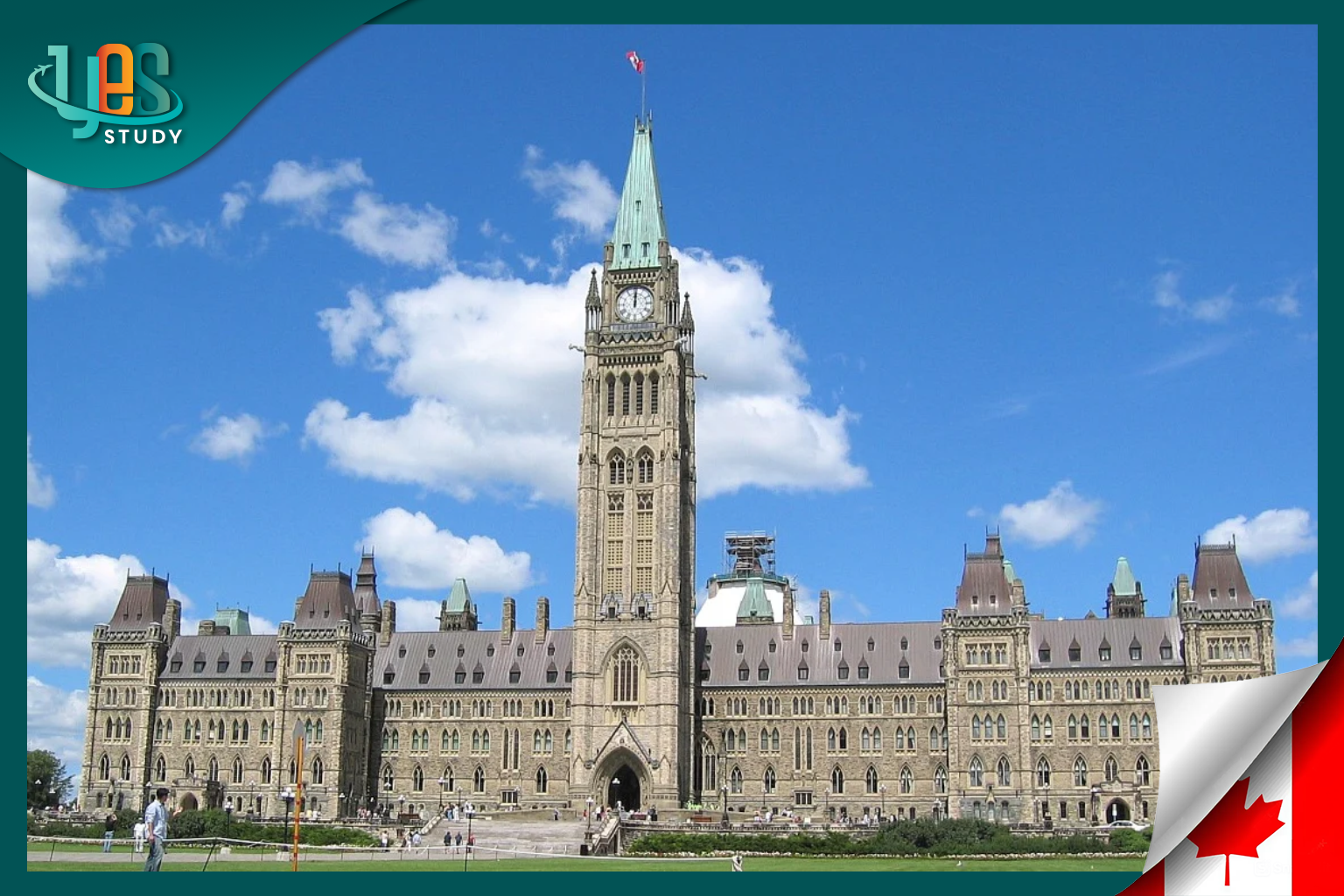
Summary of Canadian visa types
The Canadian immigration system is recognized as one of the most comprehensive and complex in the world, featuring a wide variety of visa categories tailored to different purposes. Choosing the wrong visa type can lead to unnecessary delays or, worse, a formal refusal. This guide provides a detailed breakdown of temporary and permanent resident Canadian visa categories to help you select the path that aligns with your specific goals.
1. Temporary Resident Visas (TRV)
These visas are for individuals intending to stay in Canada for a specific duration—such as for tourism, education, or work—with the commitment to depart upon the visa’s expiration.
- Visitor Visa (V1): Intended for tourism, visiting family/friends, or short-term courses (under 6 months). Applicants must demonstrate sufficient funds and strong ties to their home country to ensure their return.
- Super Visa (PG-1): A special status for parents and grandparents of Canadian citizens or permanent residents. It allows for stays of up to 5 years per entry and is valid for up to 10 years.
- Study Permit: Mandatory for international students attending a Designated Learning Institution (DLI). Valid for the duration of the study program plus 90 days.
- Work Permit: Includes Open Work Permits (allowing employment for any employer, e.g., for spouses) and Employer-specific Work Permits (requiring an LMIA). The Post-Graduation Work Permit (PGWP) is a critical path for graduates to gain Canadian work experience.
- Business Visitor Visa: For entrepreneurs attending conferences, meetings, or market research. It prohibits direct participation in the Canadian labor market.
2. Permanent Resident (PR) Visas
Unlike temporary visas, PR visas grant the right to live, work, and access most social benefits (excluding the right to vote) in Canada indefinitely.
Economic Immigration Classes
Managed primarily through the Express Entry system, which ranks candidates based on age, education, work experience, and language proficiency:
- Federal Skilled Worker (FSW): For skilled professionals with international experience.
- Federal Skilled Trades (FST): For qualified tradespeople (electricians, welders, chefs, etc.).
- Canadian Experience Class (CEC): For those with at least one year of Canadian work experience.
- Provincial Nominee Program (PNP): Allows provinces (e.g., Ontario, BC) to nominate candidates based on local labor market needs.
Business & Investment Immigration
- Start-up Visa (SUV): For entrepreneurs with innovative business ideas supported by designated Canadian organizations.
- Self-employed Persons Program: For individuals with significant experience in cultural, artistic, or athletic fields.
Family Sponsorship
Canada prioritizes family reunification:
- Spousal & Dependent Child Sponsorship: Generally offers the fastest processing times.
- Parents and Grandparents Program (PGP): A lottery-based system used to manage high demand for family reunification.
3. Other Specialized Visas
- Transit Visa: Required for travelers passing through a Canadian airport en route to a third country (stays under 48 hours; free of charge).
- Diplomatic & Official Visas: Reserved for foreign government officials and diplomats on official business.
- Facilitation Visa: Issued in rare cases to dual citizens who do not yet have a valid Canadian passport but require emergency entry.
Important Tips for Your Application
The Canadian immigration system values transparency and integrity above all else. To increase your success rate:
- Apply for the correct visa: Never apply for a Visitor Visa if your true intent is to work; this is a serious violation that can lead to a 5-year entry ban.
- Understand “Status” vs. “Visa”: A visa in your passport only grants you the right to arrive at the border. The actual length of your stay (status) is determined by the border officer upon your arrival.
- Honesty is Paramount: Never falsify information regarding your travel history, criminal record, or marital status. Canada shares biometric and background data with the US, UK, and Australia; dishonesty is easily detected.
Conclusion
Whether you are planning a short holiday or a long-term future in the Great White North, selecting the correct visa is the first and most critical step. If you are uncertain about which path to take or need assistance in optimizing your profile, Yes Study is here to help. Our experienced experts can assess your application, provide strategic advice, and help you navigate the complexities of Canadian immigration.

Related news
Flying to Canada: Where Are the Layover Stops?

Canada Immigration 2026: Requirements and Visa Procedures
Top 12 Universities with Low Tuition Fees in Canada 2026
Latest news

What languages are spoken in Canada? Official languages and the 2026 immigration strategy
Applying for a 10-year Canadian visa: Requirements, procedures, and application tips
Immigration, Refugees and Citizenship Canada (IRCC)

Studying in Vancouver, Canada: An A-Z Guide for International Students
Trent University (Canada): Detailed Information and Study Abroad Experiences