How many kilometers is Vietnam from Canada?
Are you wondering about how many kilometers Vietnam from Canada is and how long the flight actually takes? Planning a trip across the globe can be overwhelming, so we are breaking down the geographical distance, actual flight times from major cities, and practical tips to ensure your journey is as smooth as possible.
How many kilometers is Vietnam from Canada?
The distance between Vietnam and Canada ranges from approximately 10,800 to 13,900 kilometers. This figure is not fixed; it varies significantly depending on your departure point (Hanoi or Ho Chi Minh City) and your destination city (Vancouver, Toronto, or Montreal).
Distance and Estimated Flight Times to Major Canadian Cities
To help you visualize your journey and plan accordingly, we have compiled a comparison table of the estimated distances and flight times to key study-abroad and travel hubs in Canada:
| Departure (Vietnam) | Arrival (Canada) | Distance (km) | Est. Flight Time (Incl. Layover) |
|---|---|---|---|
| Hanoi (HAN) | Vancouver (YVR) | 10,823 km | 17 – 20 hours |
| HCMC (SGN) | Vancouver (YVR) | 11,760 km | 17 – 20 hours |
| Hanoi (HAN) | Toronto (YYZ) | 12,803 km | 19 – 24 hours |
| HCMC (SGN) | Toronto (YYZ) | 13,927 km | 20 – 25 hours |
| Hanoi (HAN) | Montreal (YUL) | 12,617 km | 19 – 24 hours |
| HCMC (SGN) | Montreal (YUL) | 13,752 km | 20 – 25 hours |
Note: The flight times above are based on average layover durations (2–4 hours). Actual times may vary based on specific airline schedules.
Why the Difference?
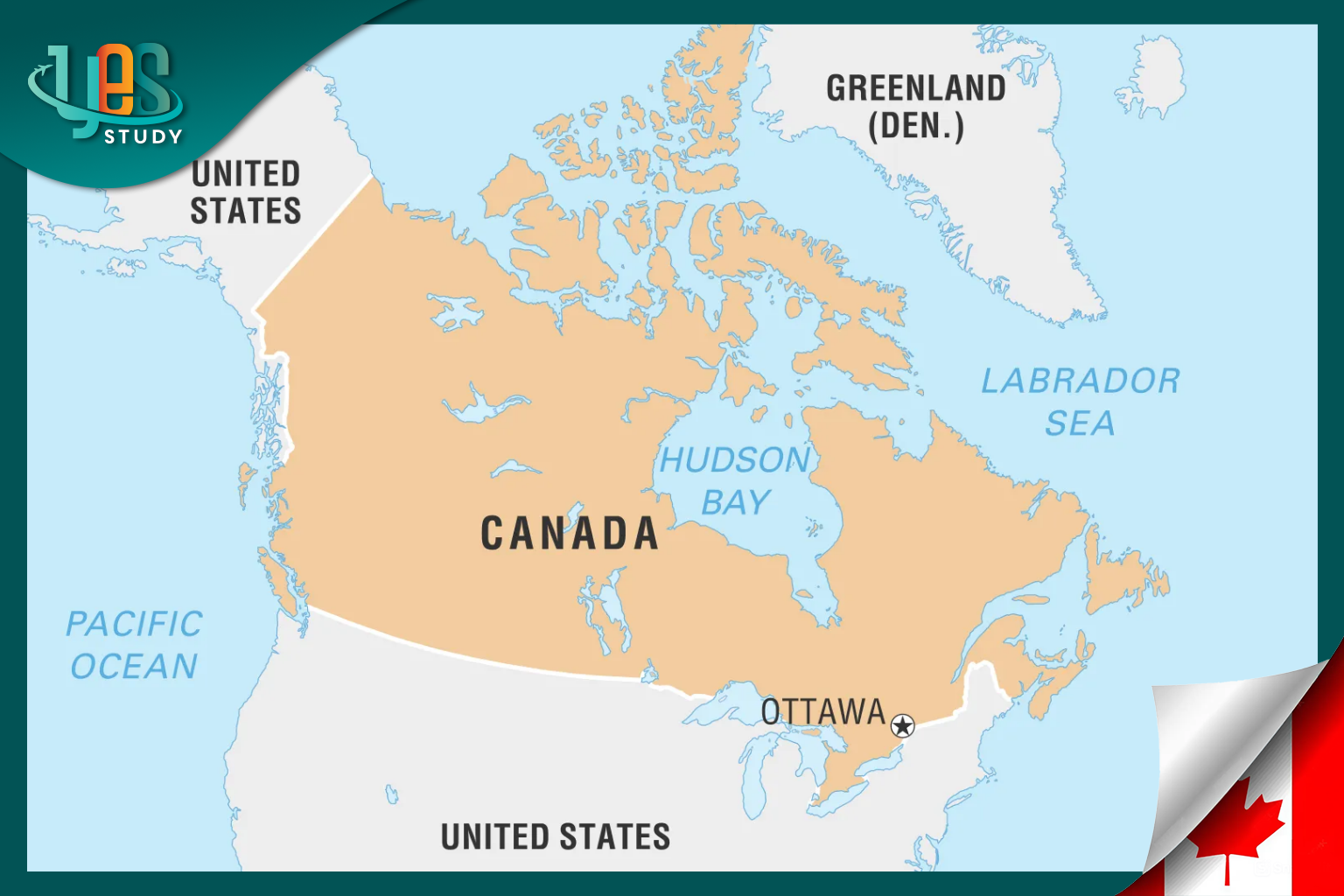
Canada spans from the Pacific to the Atlantic. Generally, flying to the West Coast (Vancouver) is shorter because it is geographically closer to Asia. Conversely, flying to eastern cities like Toronto or Montreal requires more time in the air. Additionally, routes from Ho Chi Minh City can sometimes be slightly longer than those from Hanoi, depending on the airline’s transit hub.
See more about Canada’s geography and land area.
How Long Does It Actually Take to Fly to Canada?
For those traveling to Canada for the first time, flight duration is a primary concern for both physical health and arrival planning. Here is what you need to know about current flight options.
Non-stop Flights
As of late 2025, there are generally no direct, non-stop flights between Vietnam and Canada. Due to the vast geographical distance and current aviation infrastructure, all airlines—including Air Canada, Vietnam Airlines, EVA Air, and Cathay Pacific—require at least one layover. If direct flights become available in the future, the flight time would likely be around 13–15 hours.
Connecting Flights (The Most Common Option)
Most travelers should prepare for a total travel time of 17 to 25 hours. Common transit hubs include:
- Taipei (Taiwan)
- Seoul (South Korea)
- Tokyo (Japan)
- Hong Kong
- Dubai (UAE) or Doha (Qatar)
- Paris (France) or Istanbul (Turkey)
See more about where to transit when flying to Canada.
Expert Tips for Saving on Your Trip to Canada
Based on our experience assisting thousands of students and travelers, here are some smart strategies to optimize your trip and save costs:
- Choose Your Travel Window Wisely: Avoid peak travel seasons like summer (June–August), the Christmas holidays (December), and Tet (Lunar New Year). Aiming for travel in January–February or September–November can lead to significant savings.
- Book Early and Stay Flexible: Booking 2–3 months in advance is ideal. Being flexible with your dates—such as choosing to fly on a Wednesday instead of a Friday—can reduce costs by 10–20%.
- Use Price Comparison Tools: Utilize platforms like Google Flights, Skyscanner, or Kayak. Setting up price alerts is a great way to catch sudden drops in fare.
- Consider Multi-Stop Routes: While less convenient, routes with two short layovers can sometimes be significantly cheaper than a single-stop flight.
Frequently Asked Questions (FAQ)
What is the time difference between Canada and Vietnam?
Canada spans six time zones. Depending on the province, it is usually 10.5 to 15 hours behind Vietnam (UTC+7).
Do I need a visa to enter Canada?
Yes, citizens of Vietnam are required to obtain a visa to enter Canada. You will also need to provide biometrics. Depending on your travel purpose, you may also need to learn about the Electronic Travel Authorization (eTA) process.
Conclusion
While the journey from Vietnam to the “Great White North” is a long one—roughly 10,000 to 13,000 km—the distance is easily manageable with the right preparation. Whether you are heading to Canada for studies or immigration, ensuring your travel plans are solid will help you start your new chapter with confidence.
If you need detailed guidance on immigration procedures or flight arrangements for your study abroad journey, we are always here to support you.

Related news
Which Continent Is Canada In? Geography, History, and Essential Facts

How to Transfer Money from Vietnam to Canada: 4 Safe and Legal Methods
Latest news

Giving Birth in Canada in 2026: Costs, EI Benefits, and Procedures from A to Z
Top Universities in Canada for 2026: Rankings and a Guide to Choosing a School Under New Policies

Guide to Applying for a Canadian visitor visa (family/friend visit) in 2026: Requirements, Documentation, and Tips to Increase Your Chances of Approval
Guide to Obtaining a Canadian Work Visa: Requirements, Procedures, and Opportunities for 2026

Agriculture in Canada 2026: Wages, Conditions, and Pathways to Permanent Residency