
Which Continent Is Canada In? Geography, History, and Essential Facts
When researching the “Land of the Maple Leaf,” one of the most fundamental questions we encounter is: “Which continent is Canada in?” The answer is straightforward: Canada is located in the Americas, specifically in the region of North America. Because Canada and the United States share not only a continent but also the longest undefended border in the world, many people often view them as a cohesive economic and cultural bloc.
However, understanding Canada’s location is about more than just a spot on a map. In this article, we will explore how this strategic geographic position has shaped Canada’s unique identity and why knowing the details of the North American continent is crucial for your journey toward studying abroad or immigrating. Based on our years of experience consulting for thousands of international students, we’ve seen how geographic awareness helps newcomers choose the right province for their future.
1. Overview: Which Continent Does Canada Belong To?
Canada is the northernmost country in North America. It occupies the majority of the northern half of the continent, sharing land borders with the United States to the south and the state of Alaska to the northwest. To the north, Canada reaches into the Arctic Ocean, while its eastern and western shores are washed by the Atlantic and Pacific Oceans, respectively.
As the second-largest country in the world by total area (nearly 10 million km²), Canada is divided into 10 provinces and 3 territories. From our perspective, this vastness is what makes Canada so diverse—each region offers a completely different lifestyle, climate, and economic opportunity.
Geography at a Glance
- Total Area: Approximately 9.98 million km².
- Coastline: The longest in the world, stretching over 202,080 km.
- Borders: Shares a southern border with the U.S. and a northwestern border with Alaska.
- Terrain: Includes the Rocky Mountains in the west, the vast Canadian Shield in the center, and the maritime landscapes in the east.
2. Which Other Countries Are in North America?
While Canada and the United States are the giants of the continent, North America is much larger than just these two nations. It actually consists of 23 independent countries. When you study in Canada, you are entering a continent that serves as a massive hub for global trade and culture.
The major players:
- Canada
- The United States (USA)
- Mexico
Central American and Caribbean nations:
North America also encompasses Central America and the Caribbean islands, including nations such as Belize, Costa Rica, Cuba, Jamaica, Panama, and the Bahamas. However, in terms of economic power and landmass, Canada and the U.S. remain the primary anchors of the region.
3. What is the Capital of Canada?
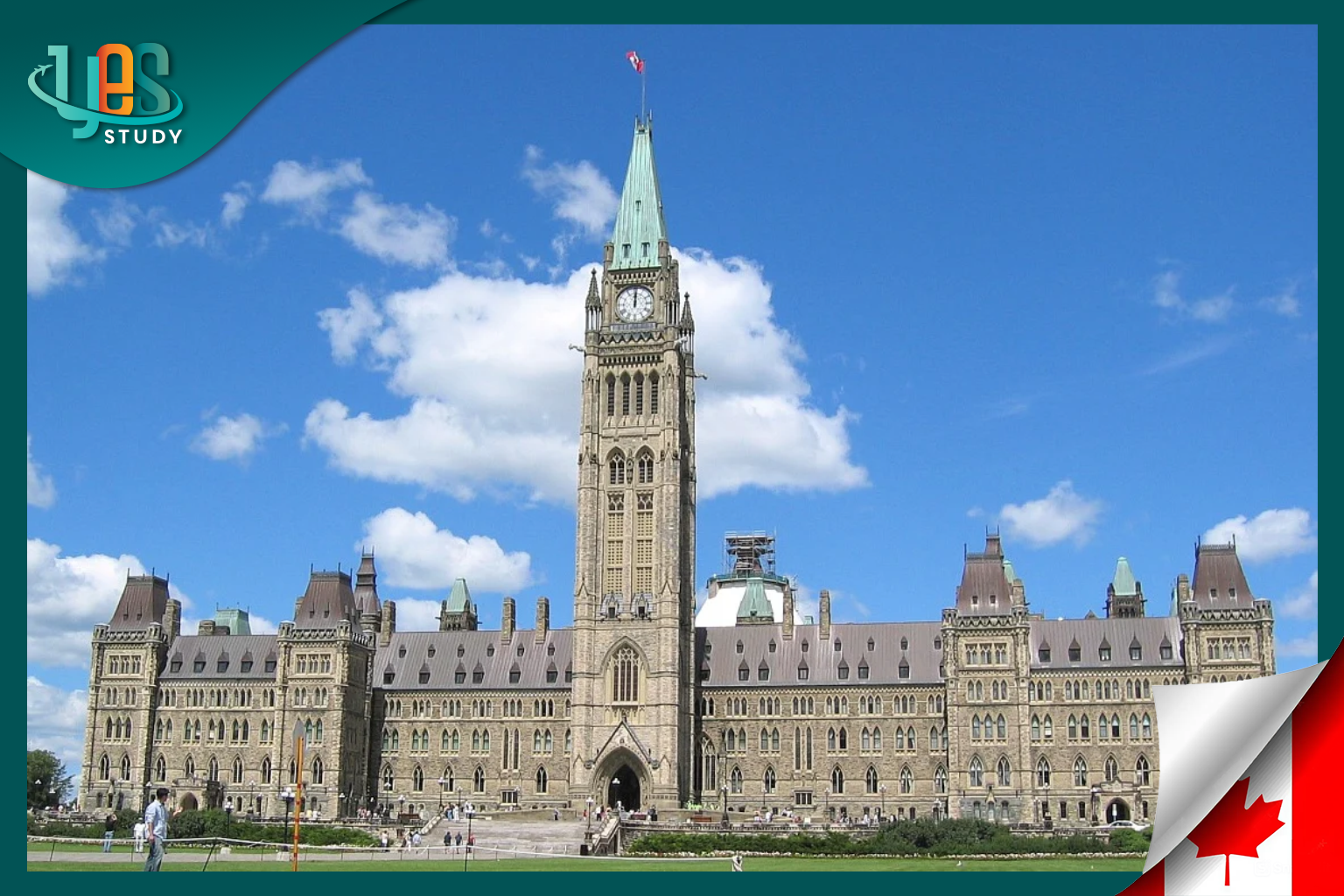
A common misconception is that Toronto or Vancouver is the capital. In reality, the capital of Canada is Ottawa. Located in the province of Ontario, right on the border with Quebec, Ottawa was selected as the capital by Queen Victoria in 1857.
We often recommend Ottawa to students who are interested in politics, law, or public administration. It is a beautiful, bilingual city where English and French culture coexist harmoniously. The city is famous for its historic architecture, including Parliament Hill and the Rideau Canal (a UNESCO World Heritage site).
Check out our detailed guide: What is the Capital of Canada?
4. The Climate: Beyond the “Cold” Stereotype
Many students worry that Canada is perpetually frozen. While the northern regions are indeed Arctic, most Canadians live in the southern part of the country where the climate is temperate and has four distinct seasons.
| Season | Description | Typical Temperature |
|---|---|---|
| Spring | A time of melting snow and blooming flowers. | 5°C to 15°C |
| Summer | Warm to hot; perfect for outdoor festivals and hiking. | 20°C to 30°C+ |
| Autumn | Famous for vibrant red and orange maple leaves. | 10°C to 18°C |
| Winter | Cold and snowy, ideal for winter sports like skiing. | -5°C to -25°C |
For more specific details, you can read our deep dive into Canada’s climate across the four seasons.
5. People and Culture: A Mosaic of Diversity
Canada is famously a “cultural mosaic” rather than a “melting pot.” This means different cultures are encouraged to maintain their heritage while being part of the Canadian identity. As of 2024, the population has surpassed 41 million, driven largely by immigration.
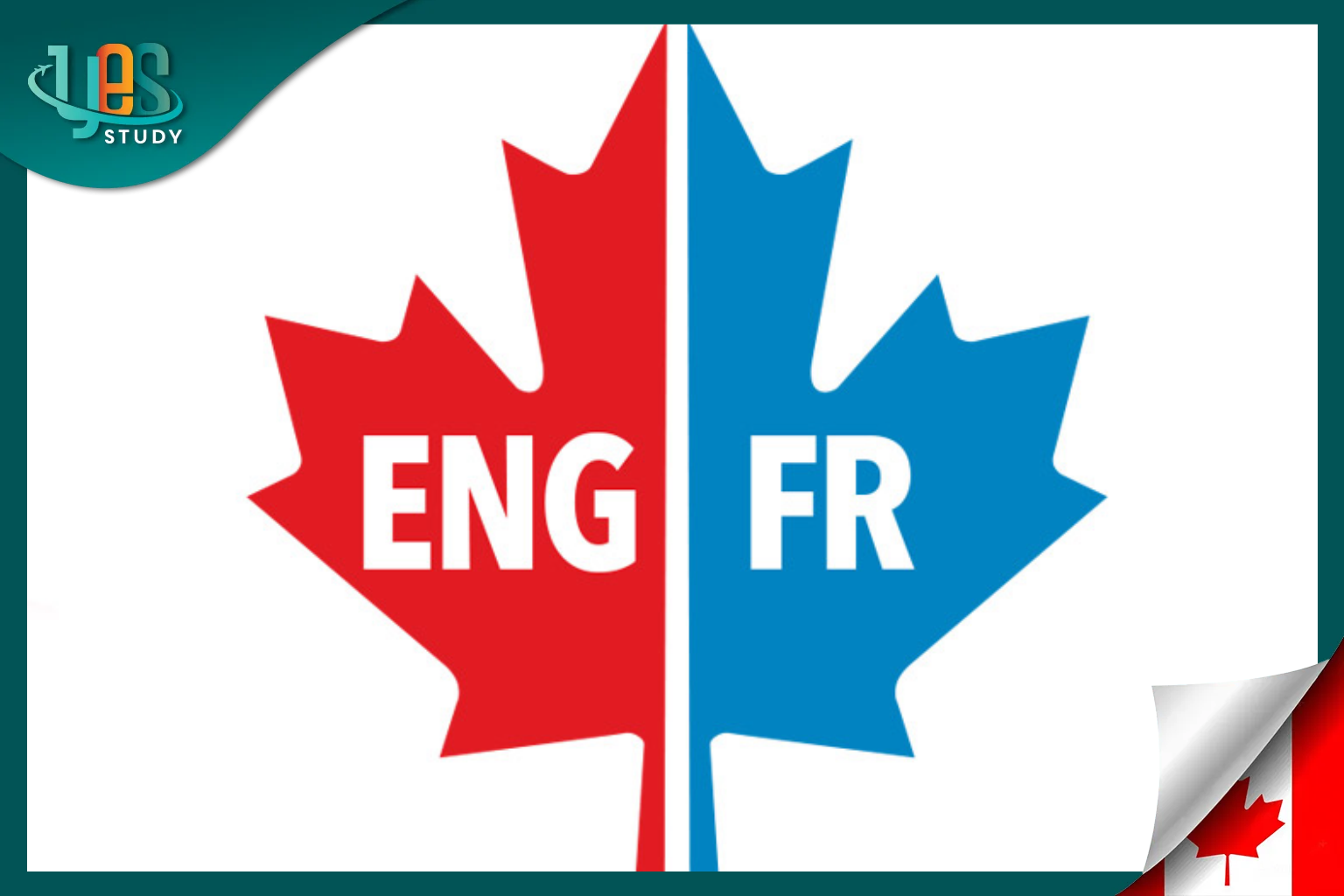
- Official Languages: English and French.
- Diversity: Significant populations with European, Asian (Chinese, Indian, Filipino), and Indigenous roots (First Nations, Métis, and Inuit).
- Values: Canadians are known for their politeness, inclusivity, and respect for human rights.
6. Top Most Livable Cities in Canada for 2025
Choosing which part of the North American continent to settle in is a big decision. Based on current trends and quality of life indices, here are the top picks:
- Toronto (Ontario): The financial heart of Canada. It’s perfect for those seeking a fast-paced, metropolitan lifestyle and diverse job markets.
- Vancouver (British Columbia): Nestled between the mountains and the sea, it offers the mildest winters and an incredible quality of life for nature lovers.
- Calgary (Alberta): Known for its strong economy (energy and tech sectors) and proximity to the stunning Banff National Park.
- Montreal (Quebec): The cultural capital, offering a unique European feel and a world-class culinary scene.
See more: Top 5 Best Cities in Canada for International Students.
7. Why Canada’s Location Makes It an Ideal Destination
The geographic facts we’ve discussed translate into real-world benefits for you:
- Economic Opportunity: Being part of the North American economy (linked to the US market) ensures a stable and prosperous job market.
- Diverse Immigration Pathways: Each province has its own Provincial Nominee Program (PNP), allowing you to choose a destination based on your specific skills.
- Global Education Standards: Canadian degrees are recognized worldwide, often carrying the same weight as those from the US or UK but at a more affordable cost.
- Safe Haven: Canada is consistently ranked as one of the safest and most politically stable countries in the world.
Frequently Asked Questions (FAQs)
Is Canada part of the USA?
No. Canada and the United States are two separate, sovereign nations. They share a continent, a border, and many economic interests, but they have different governments, laws, and leaders.
What language is spoken in Canada?
English and French are the two official languages. English is the primary language in most provinces, while French is the official language of Quebec and is widely spoken in New Brunswick and parts of Ontario.
Do I need a visa to move between Canada and the US?
Yes, depending on your citizenship. Even though they are neighbors in North America, they have distinct immigration policies. For international students, a Canadian Study Permit does not automatically grant entry to the US.
Conclusion
We hope this has fully answered the question, “Which continent is Canada in?”. More than just being a part of North America, Canada is a land of immense scale, natural beauty, and profound opportunity. Its geographic location provides a unique blend of high living standards, economic stability, and a welcoming atmosphere for people from all over the globe.
Understanding the geography of Canada is the first step in planning your future. Whether you are drawn to the bustling streets of Toronto or the scenic vistas of British Columbia, this continent has a place for you. If you’re ready to take the next step toward your Canadian dream, Yes Study is here to guide you through every step of the visa and enrollment process. Let’s turn your aspirations into reality.

Related news
What languages are spoken in Canada? Official languages and the 2026 immigration strategy
Applying for a 10-year Canadian visa: Requirements, procedures, and application tips

Immigration, Refugees and Citizenship Canada (IRCC)

Studying in Vancouver, Canada: An A-Z Guide for International Students

Trent University (Canada): Detailed Information and Study Abroad Experiences
What is the capital of Canada?
Latest news
What languages are spoken in Canada? Official languages and the 2026 immigration strategy
Applying for a 10-year Canadian visa: Requirements, procedures, and application tips
Immigration, Refugees and Citizenship Canada (IRCC)
Studying in Vancouver, Canada: An A-Z Guide for International Students
Trent University (Canada): Detailed Information and Study Abroad Experiences