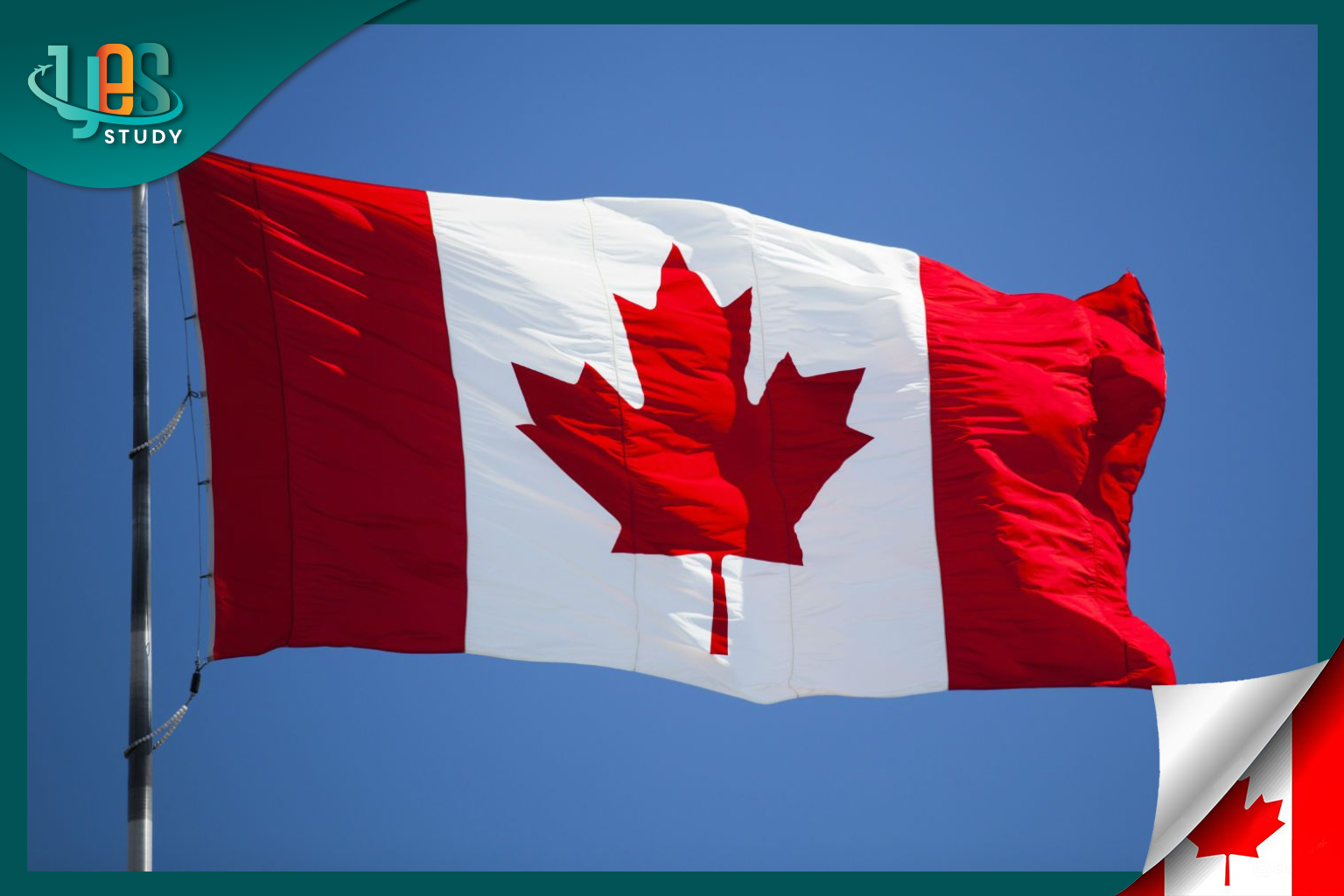
Introduction to the Province of Manitoba
Often referred to as the “Heart of Canada,” Manitoba is a central province that balances an affordable cost of living with a wealth of opportunity. With its capital city, Winnipeg, and a commitment to welcoming newcomers, it has become a top destination for those seeking a clear, achievable path to Permanent Residency (PR).
Manitoba at a Glance
Located in the center of Canada, Manitoba spans over 647,000 km². It is a land of diverse geography, from the vast southern prairies to the rugged lakes and forests of the Canadian Shield, and even a coastline along the Hudson Bay in the far north.
Key Cities:
- Winnipeg: The capital and economic hub, home to about 60% of the province’s population. It is a center for government, culture, and business.
- Brandon: The second-largest city, known for its strong community feel and agricultural roots.
- Churchill: Renowned as the “Polar Bear Capital of the World,” offering unique ecotourism.
Why Choose Manitoba?
Manitoba is not just a place to study; it is a place to build a life. Its popularity among international students is driven by:
- Economic Stability: A diversified economy focused on agriculture, manufacturing, IT, and healthcare.
- Affordability: Housing costs in Winnipeg are approximately 50% lower than in Toronto or Vancouver.
- Clear Immigration Pathways: The Manitoba Provincial Nominee Program (MPNP) is one of the most stable and accessible pathways in Canada, specifically designed to retain graduates who study and work in the province.
Climate and Lifestyle
Manitoba experiences a continental climate with four distinct seasons. While winters are cold (often ranging from -15°C to -30°C), summers are warm and sun-drenched, perfect for outdoor activities.
See more: Climate in Canada: A Guide to the 4 Seasons
The Path to Permanent Residency (PR)
Manitoba’s immigration strategy is highly favorable to international students. The International Education Stream (IES) and Skilled Worker in Manitoba (SWM) pathways offer streamlined processes for those who have completed their studies locally.
The Typical Roadmap:
- Study: Complete a program at a Designated Learning Institution (DLI).
- Work: Apply for a Post-Graduation Work Permit (PGWP).
- Experience: Gain at least 6 months of full-time work experience in Manitoba.
- Nomination: Apply for the MPNP to receive a provincial nomination.
- Permanent Residency: Submit your PR application to the federal government.
Top Educational Institutions
Manitoba offers high-quality education at a fraction of the cost found in larger provinces:
- University of Manitoba (UM): A U15 research university, top-ranked globally, and famous for its programs in Agriculture, Engineering, and Medicine.
- International College of Manitoba (ICM): Provides a supportive pathway for international students to transfer directly into the second year of University of Manitoba degrees.
- Red River College Polytechnic (RRC): The province’s leader in applied learning and hands-on technical training.
- University of Winnipeg: Renowned for Arts, Social Sciences, and community-focused management programs.
Financial Advantages
Manitoba is arguably the most economical province for international students:
- Lower Tuition: Tuition fees can be 30-50% lower than in Ontario or BC.
- Tuition Rebate: Eligible graduates working in Manitoba can receive a 60% tuition tax rebate (up to $25,000 CAD).
- Free Healthcare: International students become eligible for provincial health coverage after 6 months of full-time study.
Supporting Your Journey
At Yes Study, we understand that choosing a province is the first step toward your future. Our consultants provide:
- Personalized Strategy: Selecting the right program at the right school to maximize your chances for PR.
- Visa & Admissions Support: Ensuring your SOP and financial documentation are airtight.
- Post-Arrival Guidance: Connecting you with local communities, housing advice, and employment resources.
Don’t navigate this journey alone. Let our experts help you build a clear, successful roadmap for your life in Manitoba.

Related news
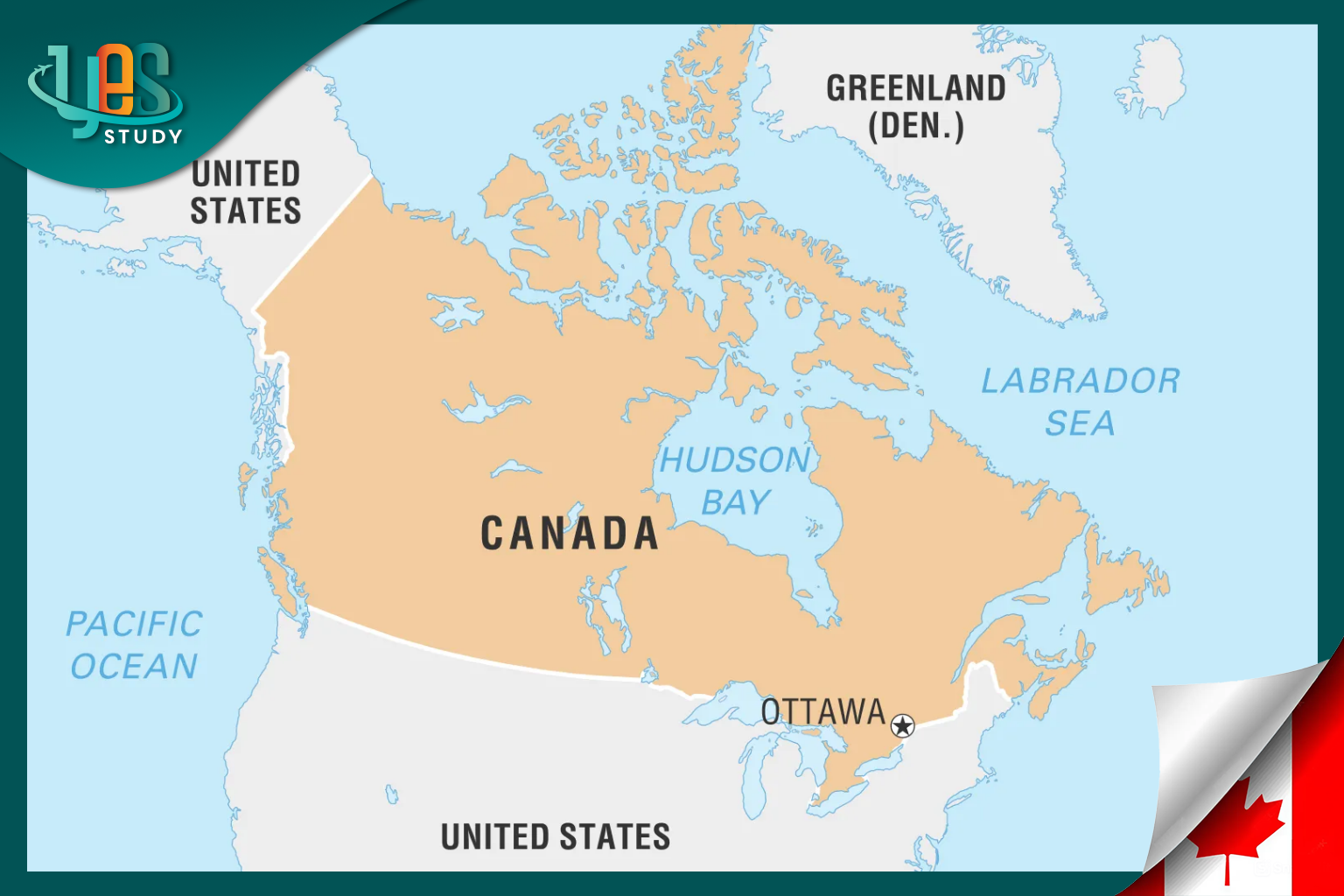
Which Continent Is Canada In? Geography, History, and Essential Facts
How to Transfer Money from Vietnam to Canada: 4 Safe and Legal Methods
Latest news
Giving Birth in Canada in 2026: Costs, EI Benefits, and Procedures from A to Z
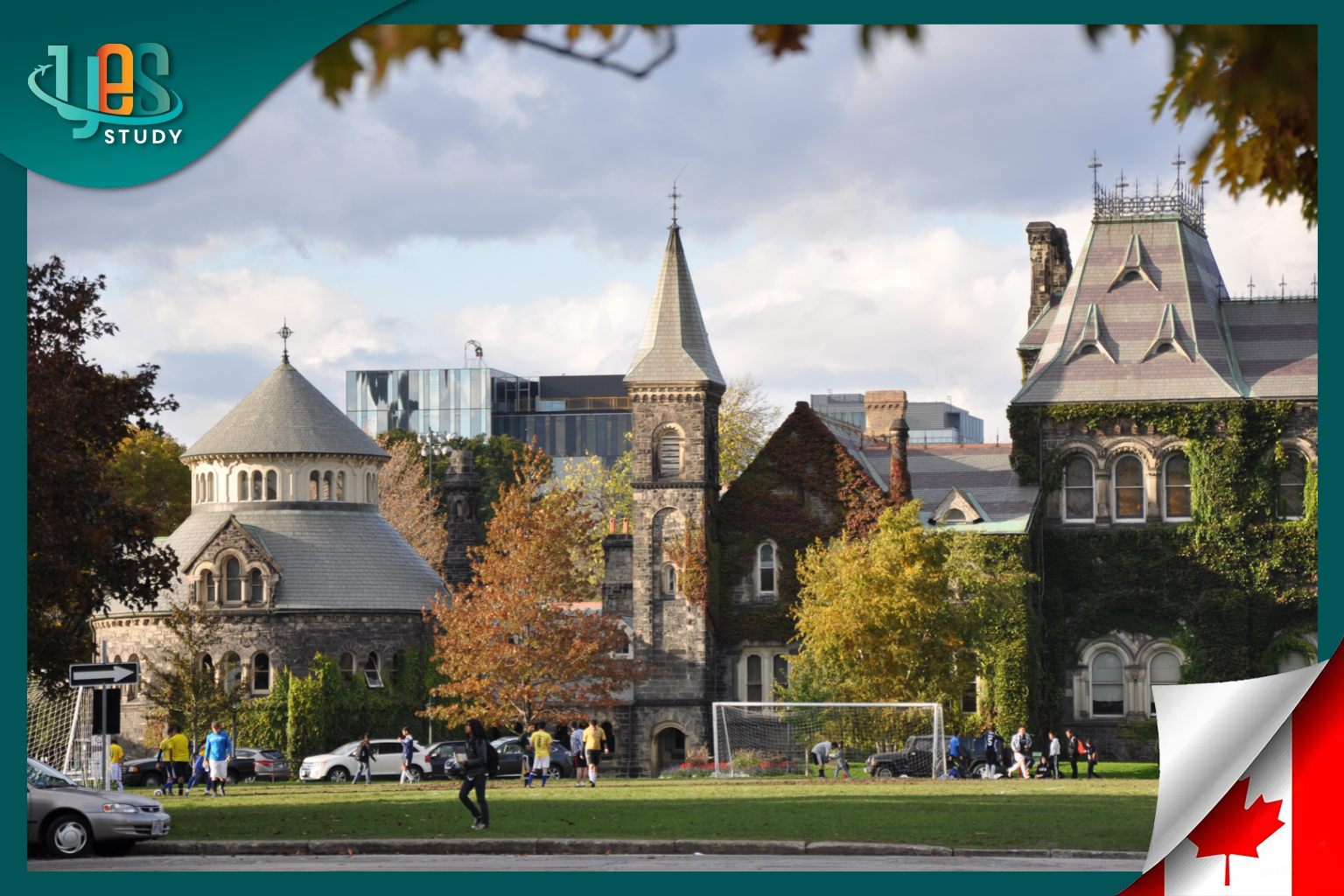
Top Universities in Canada for 2026: Rankings and a Guide to Choosing a School Under New Policies

Guide to Applying for a Canadian visitor visa (family/friend visit) in 2026: Requirements, Documentation, and Tips to Increase Your Chances of Approval
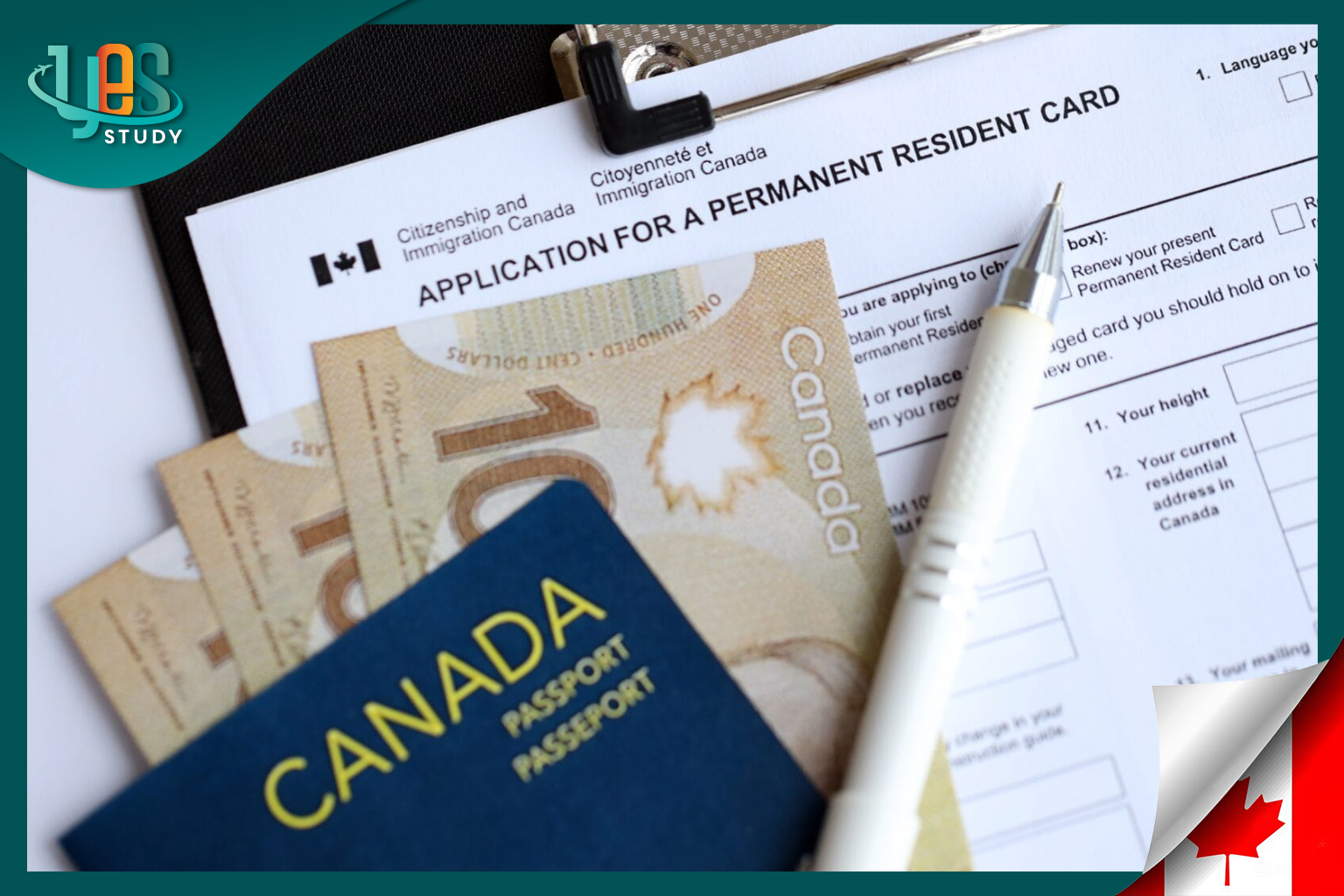
Guide to Obtaining a Canadian Work Visa: Requirements, Procedures, and Opportunities for 2026
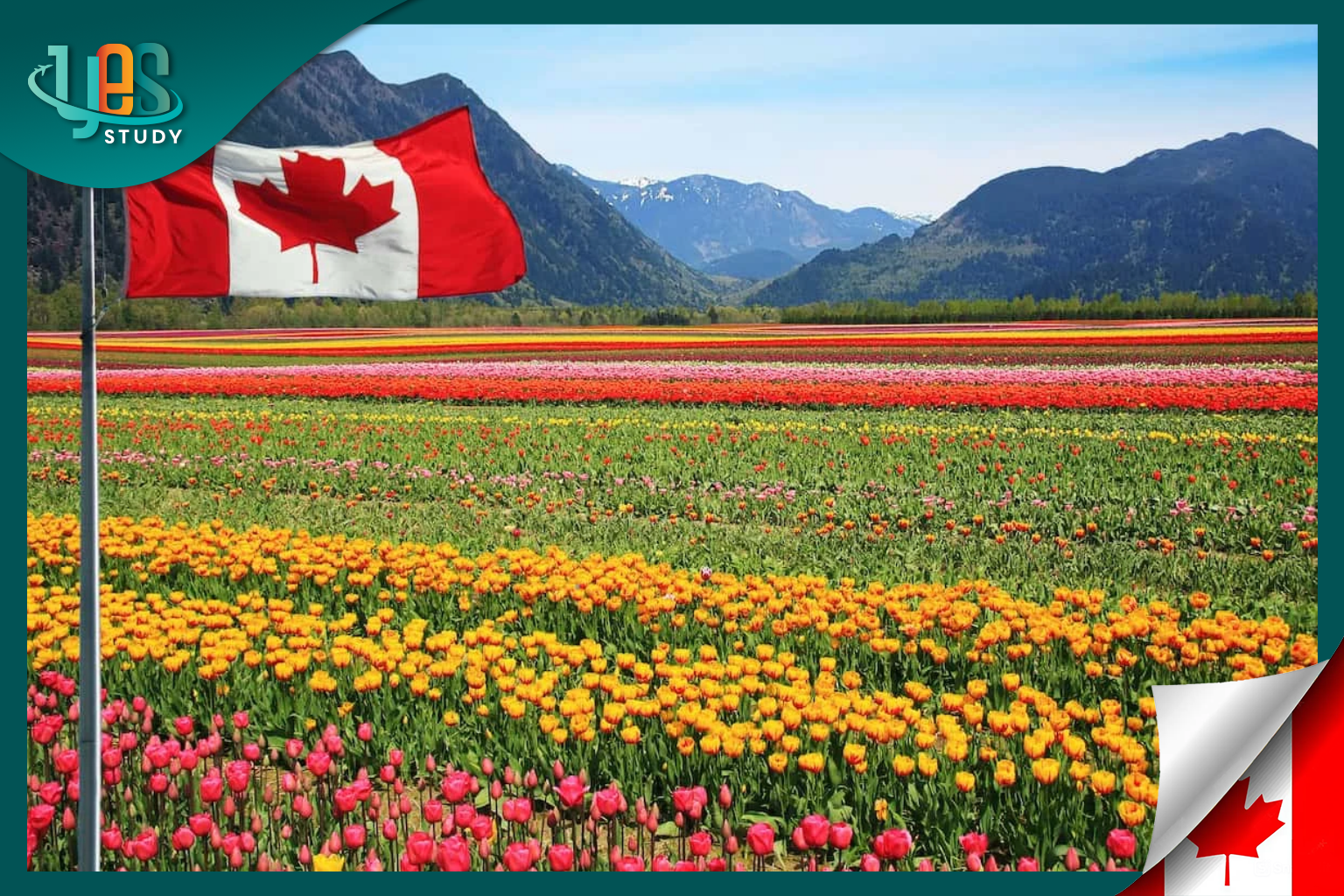
Agriculture in Canada 2026: Wages, Conditions, and Pathways to Permanent Residency