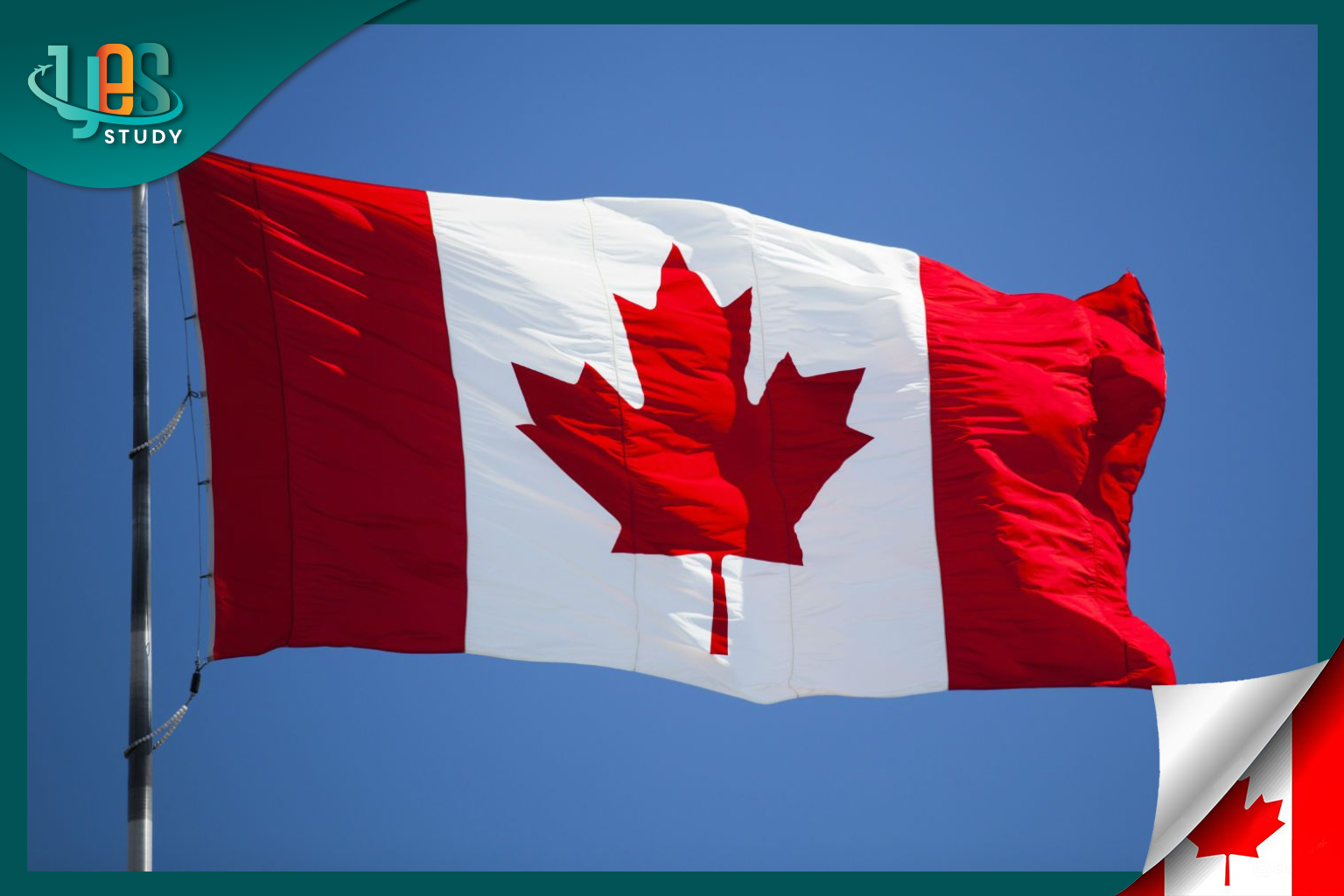
Area of Canada
When we think of Canada, images of sprawling maple forests, majestic mountain ranges, and vibrant modern cities often come to mind. But have you ever wondered just how vast this nation truly is? Understanding area of Canada is more than just a fun geography lesson; it is a vital step for students and prospective immigrants in choosing the right region to build their future.
Let’s join Yes Study as we explore the “massive” reality of this country through the numbers that tell the story.
An Overview of Canada’s Landmass
Where Does Canada Rank Globally?
Canada holds the title of the second-largest country in the world by total area, encompassing approximately 9,984,670 km². It is surpassed only by Russia, which spans over 17 million km².
| Rank | Country | Area (km²) |
|---|---|---|
| 1 | Russia | 17,098,242 |
| 2 | Canada | 9,984,670 |
| 3 | China | 9,706,961 |
| 4 | United States | 9,372,610 |
To put this in perspective, Canada is about 30 times larger than Vietnam (approx. 331,210 km²). You could fit over 30 Vietnams into Canadian territory and still have room to spare.
The Relationship Between Land and People
While Canada is immense, it is famously sparsely populated. With a population of approximately 41.5 million (as of 2025), the population density is just over 4.2 people per km².
This wide-open space offers two significant advantages for newcomers:
- High Quality of Life: Enjoy spacious living, clean air, minimal traffic congestion, and infrastructure that isn’t overcrowded.
- Economic Opportunity: Due to a smaller, aging population, Canada consistently seeks talent to drive its economy, leading to inclusive immigration policies for students and skilled workers.
Geography and Natural Wonders
Canada’s landscape is incredibly diverse, shaped by six major geographic regions: the Canadian Shield, the Interior Plains, the Great Lakes-St. Lawrence region, the Appalachian Mountains, the Western Cordillera (including the Rockies), and the Arctic Archipelago.
Climate Realities: While many associate Canada with extreme cold, the climate varies significantly. The West Coast (British Columbia) offers a milder, oceanic climate, while the Prairies experience more seasonal extremes. These variations influence not just your clothing choices, but your educational and career pathways—from agricultural studies in the plains to energy and engineering sectors in the North and West.
Provinces and Territories at a Glance
Canada is divided into 10 provinces and 3 territories. Each offers unique landscapes, academic institutions, and immigration pathways.
| Province/Territory | Capital | Area (km²) |
|---|---|---|
| Quebec | Quebec City | 1,542,056 |
| Ontario | Toronto | 1,076,395 |
| British Columbia | Victoria | 944,735 |
| Manitoba | Winnipeg | 647,797 |
| Alberta | Edmonton | 661,848 |
See more: Overview of Canada’s 13 Provinces and Territories
Why Canada is a Top Destination
A World-Class Education and Immigration System
Canada is home to top-tier universities like the University of Toronto, UBC, and McGill. Beyond academics, the country provides a clear roadmap for your future:
- Post-Graduation Work Permit (PGWP): Allows students to gain invaluable Canadian work experience.
- Diverse Immigration Pathways: From the Express Entry system for skilled workers to the Provincial Nominee Program (PNP), Canada creates distinct opportunities for students to transition into Permanent Residency (PR).
Conclusion
Canada’s vastness is more than just a geographic statistic—it is a landscape of opportunity. Whether you are seeking the vibrant energy of a financial hub like Toronto, the natural beauty of Vancouver, or the steady growth of cities in the Prairies, there is a place in Canada that aligns with your goals.
Are you ready to explore your future in Canada? Yes Study is here to guide you through every step of your study abroad and immigration journey.

Related news

How to Transfer Money from Vietnam to Canada: 4 Safe and Legal Methods
Latest news

Giving Birth in Canada in 2026: Costs, EI Benefits, and Procedures from A to Z
Top Universities in Canada for 2026: Rankings and a Guide to Choosing a School Under New Policies

Guide to Applying for a Canadian visitor visa (family/friend visit) in 2026: Requirements, Documentation, and Tips to Increase Your Chances of Approval
Guide to Obtaining a Canadian Work Visa: Requirements, Procedures, and Opportunities for 2026
Agriculture in Canada 2026: Wages, Conditions, and Pathways to Permanent Residency