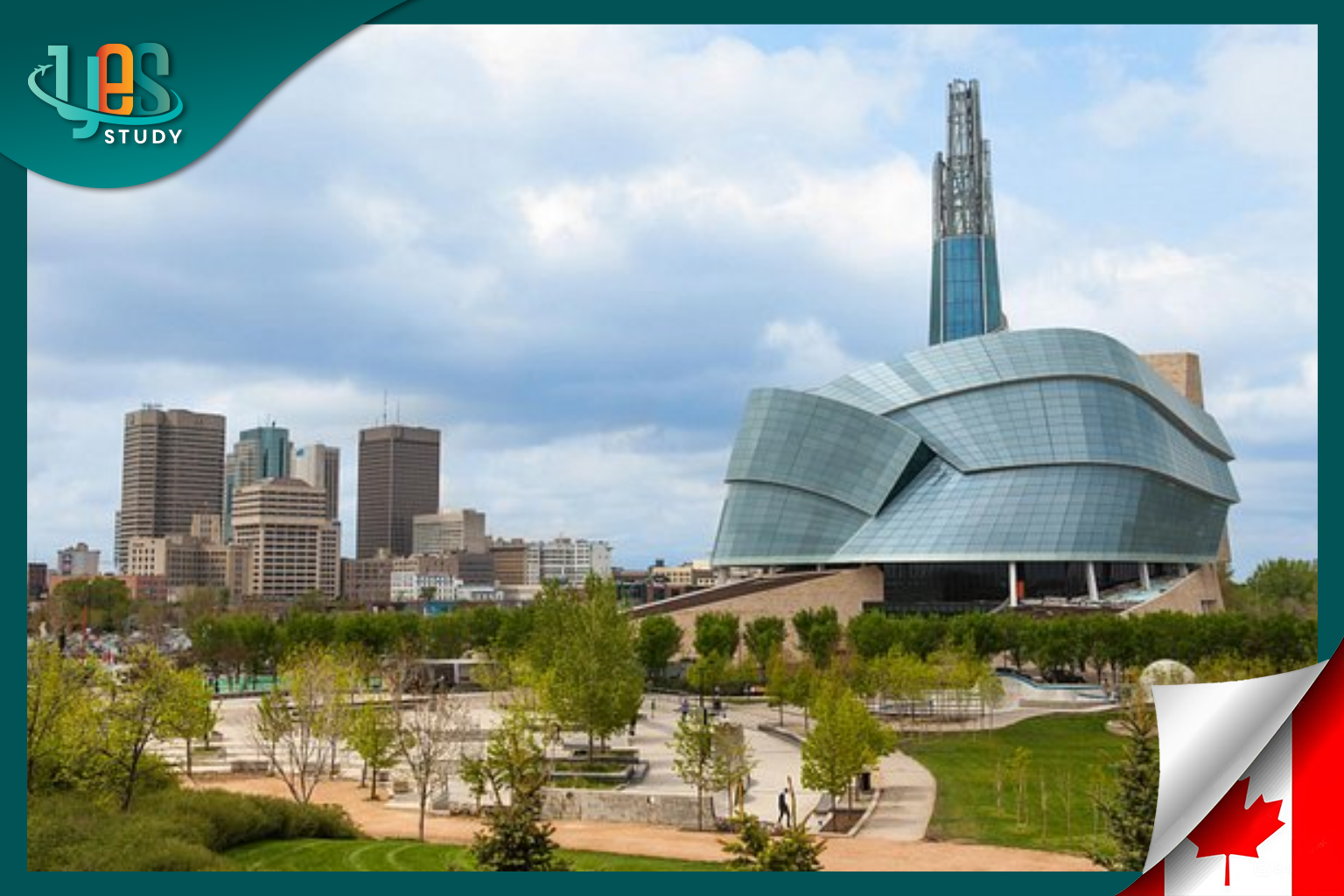
Overview of Winnipeg
Winnipeg, the capital of Manitoba, is frequently referred to as the “Heart of the Continent” due to its strategic location right in the center of North America. More than just a vital transportation and commercial hub, the city offers a distinct urban rhythm, balancing stable economic growth with a rich, multifaceted cultural tapestry.
An Overview of Winnipeg
Home to Canada’s Largest Indigenous Community
What truly sets Winnipeg apart is its profound connection to Indigenous peoples. This is not merely a demographic statistic; it is the foundation of the city’s deep historical and cultural identity.
According to Statistics Canada (2021 Census):
- Winnipeg is recognized as the major metropolitan area with the highest Indigenous population in Canada.
- There are approximately 102,075 Indigenous people in the Winnipeg Census Metropolitan Area (CMA), accounting for 12.5% of the total population.
- The City of Winnipeg proper is home to about 90,990 Indigenous residents, or 12.4% of the city’s population.
While the next official census is scheduled for 2026, these figures reflect a city where Indigenous culture is vibrant, respected, and woven into the fabric of daily life.
Geography and History: From “The Forks” to Modern Hub
Located at the eastern edge of the Canadian Prairies, Winnipeg—often called the “Gateway to the West”—sits about 100 km north of the U.S. border. It is a city defined by the confluence of the Red and Assiniboine Rivers.
A Brief Historical Path:
- The Ancient Meeting Place: For over 6,000 years, the area known as The Forks served as a natural gathering point for Indigenous communities to trade, socialize, and navigate the waterways.
- Settlement and Boom (1812–1914): Following the arrival of the Selkirk settlers, Winnipeg was incorporated in 1873. The completion of the trans-Canada railway transformed it into a bustling center of commerce and population growth.
- Modern Day: Today, Winnipeg is an administrative, logistics, and multi-industry hub (education, healthcare, technology, and manufacturing) that celebrates its diverse immigrant population alongside its foundational Indigenous heritage.
Climate and Weather
Winnipeg experiences a classic continental Prairie climate. You should prepare for four distinct seasons:
- Spring (April–June): Cool and refreshing with some rain.
- Summer (July–September): Warm and sunny, perfect for outdoor festivals.
- Autumn (October–November): A crisp, beautiful transition period.
- Winter (December–March): A true Canadian winter experience with snow—perfect for skating and snowshoeing!
See more: Climate in Canada: A Guide to the 4 Seasons
Economic Landscape and Employment Opportunities
Winnipeg offers a highly stable and diversified economy. With an urban GDP of approximately 45.2 billion CAD (as of late 2025), the city provides a welcoming environment for international students and professionals alike.
Key Growth Industries
- Aerospace: As the largest aerospace hub in Western Canada, firms like Boeing Canada and StandardAero provide vast opportunities for high-skilled engineers and technicians.
- Manufacturing: A pillar of the provincial economy, with ongoing demand for skilled trades such as welders and mechanical technicians.
- Logistics: Leveraging its position as a central transportation hub (CentrePort Canada), the city is a prime location for supply chain management careers.
- Healthcare: As the largest employer, the Winnipeg Regional Health Authority is in constant need of healthcare professionals and support staff.
Affordable Living: The “Island of Stability”
Compared to the sky-high costs of Toronto or Vancouver, Winnipeg remains incredibly affordable.
- Housing: The average home price hovers around $400,000 – $450,000 CAD, making homeownership a realistic goal rather than just a dream.
- Rent: You can find comfortable living arrangements for $1,300 – $1,600 CAD per month, often much lower if you choose to share an apartment with friends.
Monthly Cost of Living Estimate
| Category | Estimated Monthly (CAD) |
|---|---|
| Shared Accommodation | $600 – $900 |
| Private 1-Bedroom Apartment | $1,100 – $1,600 |
| Groceries (Home cooking) | $300 – $550 |
| Transportation & Utilities | $150 – $300 |
| Total | $1,200 – $2,700 |
Education and PR Pathways
Winnipeg is home to prestigious institutions like the University of Manitoba, the University of Winnipeg, and the highly practical Red River College Polytechnic (RRC Polytech).
For those looking to make Canada their permanent home, the Manitoba Provincial Nominee Program (MPNP)—specifically the International Education Stream (IES)—is a major draw. It offers streamlined pathways to Permanent Residency (PR) for graduates who choose to start their careers in the province.
Connecting with the Vietnamese Community
You are never alone in Winnipeg. With a community of over 10,000 people, the Vietnamese population is known for being tight-knit and supportive. Local groups such as VINWIN and various student associations provide a “home away from home,” offering advice on housing, employment, and navigating life in the Prairies.
Conclusion: Is Winnipeg Right for You?
Winnipeg may not be the most “flashy” city, but it is undoubtedly one of the safest, most affordable, and welcoming destinations for international students aiming for a clear path to professional success and permanent residency.
Are you ready to start your journey in the heart of Canada? Contact Yes Study today for personalized advice on school selection, scholarship opportunities, and your custom immigration roadmap.

Related news
Canada Thuộc Châu Nào? Vị Trí Địa Lý, Lịch Sử
Flying to Canada: Where Are the Layover Stops?
Latest news
Introduction to the Province of Manitoba

Requirements for studying in Canada in 2025-2026
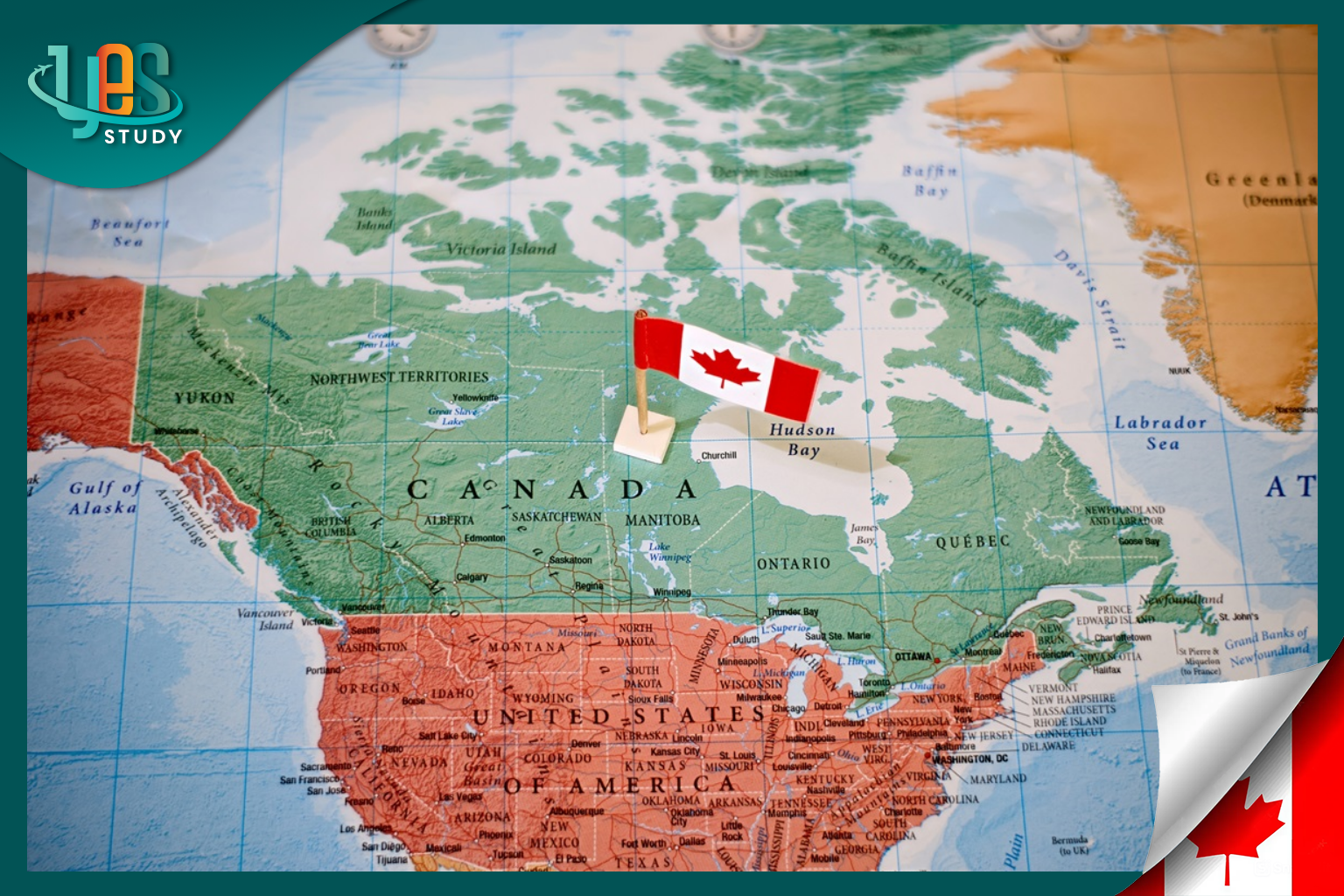
Area of Canada
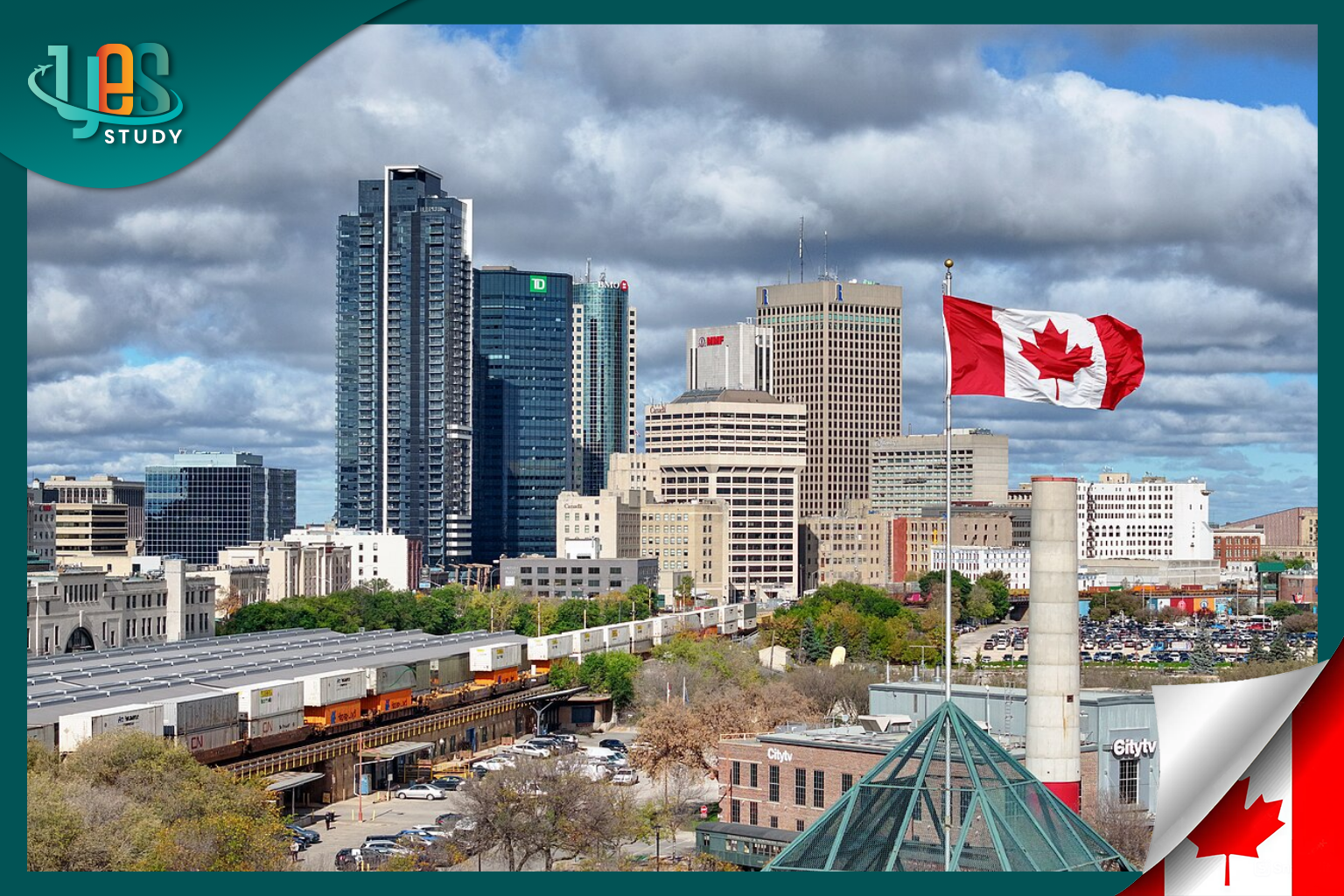
Overview of Winnipeg
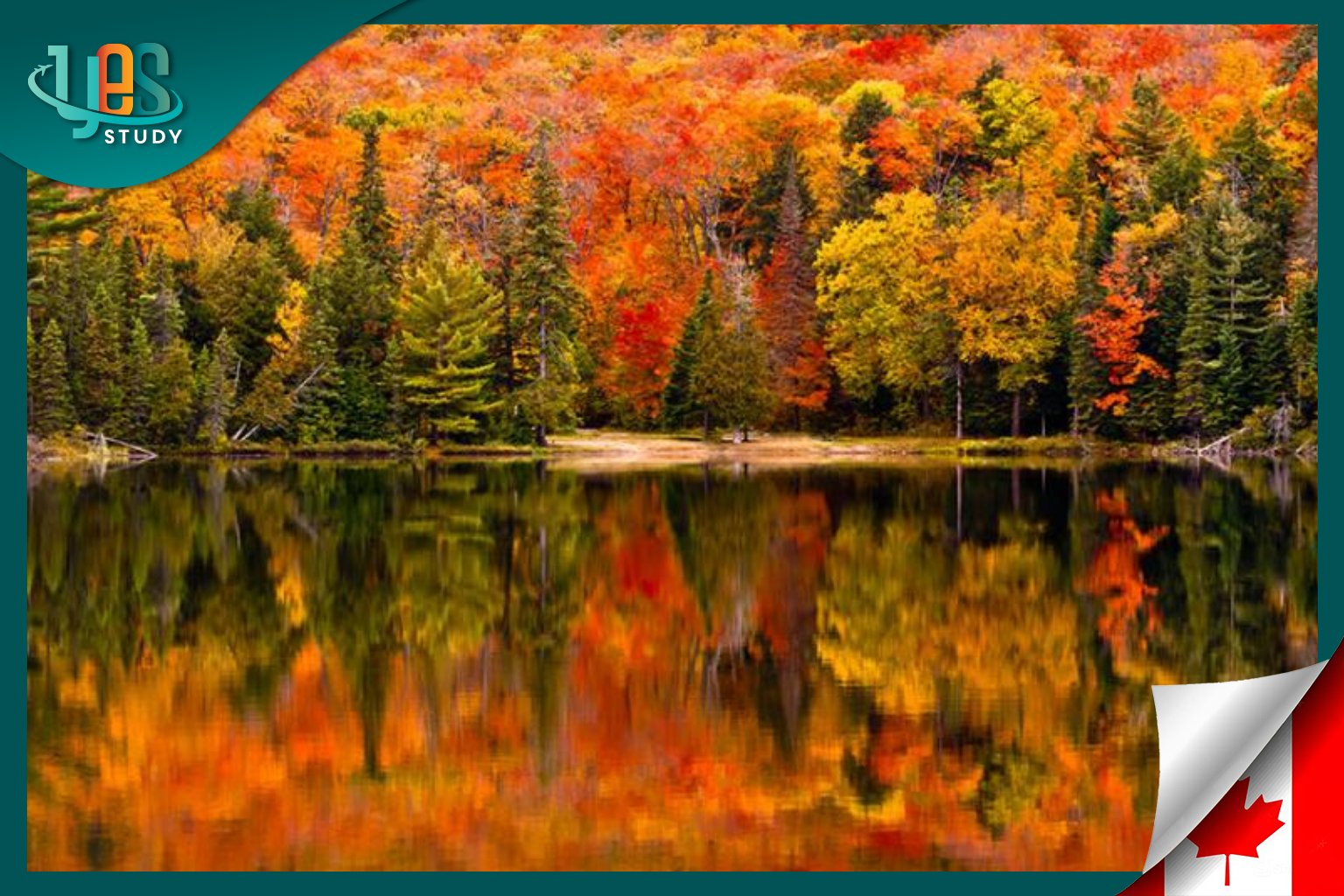
A stunning picture of autumn in Canada