What languages are spoken in Canada? Official languages and the 2026 immigration strategy
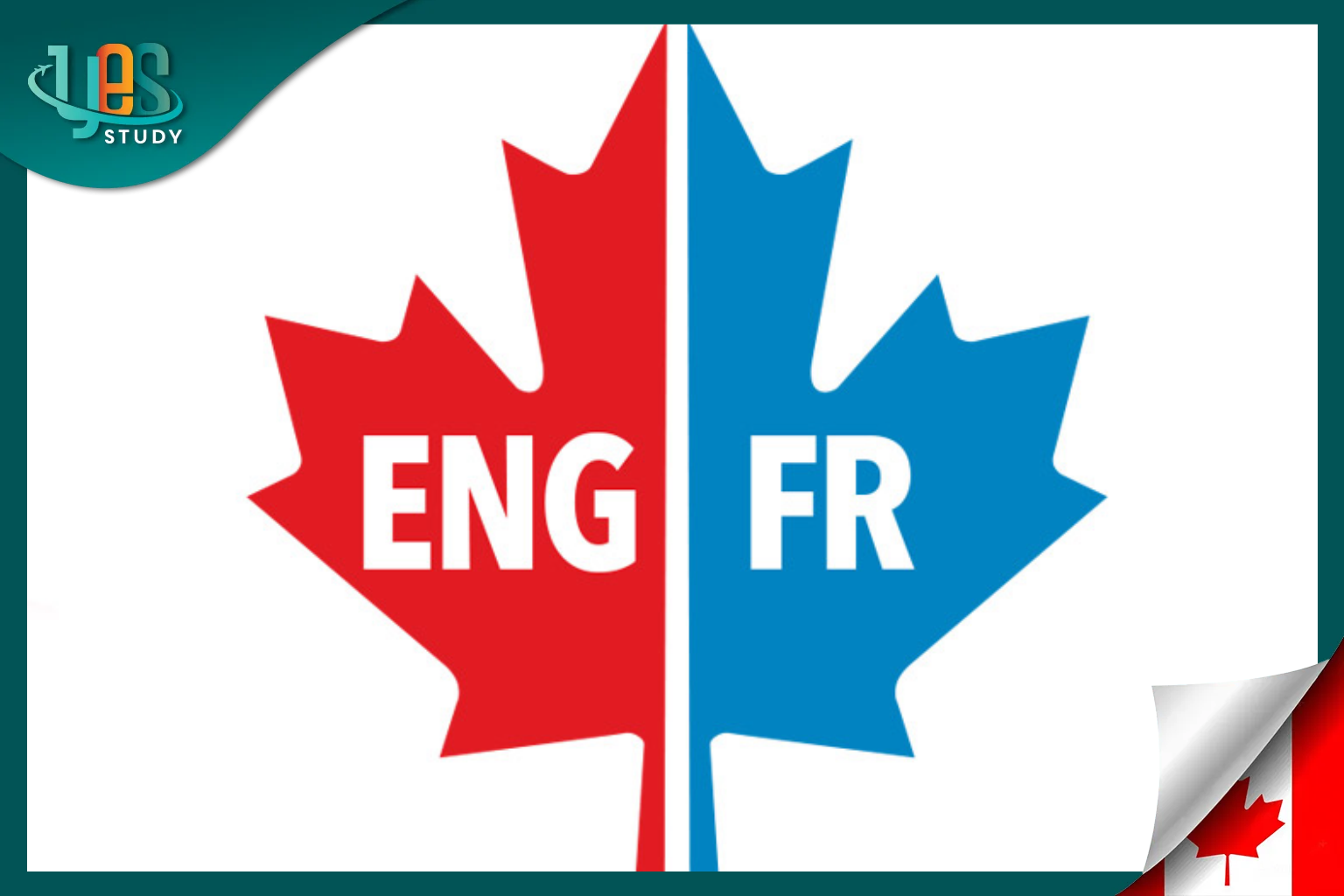
Canada is an officially bilingual country with two legal languages—English and French—alongside over 200 immigrant and Indigenous languages spoken widely in daily life. Understanding the regional distribution of these languages not only helps you settle into your new environment quickly but also plays a strategic role in optimizing your study and immigration scores—especially through IRCC’s French-targeted Express Entry draws.
Drawing from practical insights from our Yes Study consulting team headquartered in Toronto, this article analyzes Canada’s linguistic landscape and maps out the ideal language strategy for your journey.
What languages are spoken in Canada?
To preserve cultural heritage and ensure fair public services for all citizens, the Canadian constitution recognizes absolute equality between its two official linguistic systems. Examining their scope helps define the communication environment in each province before departure.
English in Canada
English is the most widely spoken language in Canada, dominating commerce, education, government, and daily life in the majority of provinces. According to Statistics Canada, roughly 75% of Canadians communicate proficiently in English.
Canadian English features a unique blend: spelling leans heavily toward British conventions (e.g., *colour*, *centre*, *flavour*), while pronunciation, intonation, and vocabulary blend American and local influences. Locals also frequently use distinct slang terms, such as:
- Loonie: The Canadian one-dollar coin.
- Toonie: The Canadian two-dollar coin.
- Eh?: A conversational tag placed at the end of sentences to seek confirmation, invite agreement, or add casual warmth.
Advisors at our Toronto office often note that Vietnamese students initially find it amusing how Canadians seamlessly blend the metric system (for distance) with imperial measurements (for height and room dimensions), alongside the friendly habit of ending sentences with “eh?”
French in Canada
French serves as Canada’s second official language, protected federally by the Official Languages Act. Statistics Canada reports that over 22% of Canadians speak French as their mother tongue or primary home language.
Canadian French—particularly Québécois French spoken in Quebec—differs noticeably from Metropolitan French spoken in Paris. These differences manifest in vowel shifts, intonation patterns, and localized vocabulary. If you plan to study in Quebec, understanding the specific requirements for studying in Quebec is essential.
Historical Origins and the Multilingual Mosaic
Canada’s bilingual reality stems from centuries of historical evolution and progressive immigration policies.
Why Does Canada Speak Both English and French?
The roots of Canadian bilingualism trace back to the 16th and 17th centuries when French explorers established settlements along the St. Lawrence River valley. Following the Seven Years’ War and the Treaty of Paris in 1763, Great Britain gained control over the territory.
To maintain political stability, the British Crown enacted the Quebec Act of 1774, permitting French-speaking communities to retain their civil law, religion, and language. Decades later, official bilingualism was formalized via the Official Languages Act of 1969.
The Boom of Non-Official Immigrant Languages
Driven by welcoming immigration policies, Canada welcomes hundreds of thousands of newcomers annually, transforming major urban centers into vibrant cultural mosaics. Alongside official languages, over 200 other languages thrive in daily life.
| Language | Estimated Share of Population | Primary Concentration Areas |
|---|---|---|
| Mandarin | 3.5% | Metro Vancouver, Greater Toronto Area (GTA) |
| Punjabi | 2.9% | Surrey (BC), Brampton (ON) |
| Cantonese | 2.1% | Richmond (BC), Markham & Scarborough (ON) |
| Tagalog (Philippines) | 2.0% | Winnipeg (MB), Edmonton (AB), Toronto |
| Spanish | 1.8% | Montreal, Toronto, Calgary |
| Vietnamese | 1.2% | Mississauga, Toronto (ON), Vancouver (BC) |
Linguistic Distribution by Province and City
Language usage in Canada varies sharply by geography. Choosing a destination that matches your linguistic strengths minimizes culture shock and boosts employment potential.
Predominantly English-Speaking Regions: Ontario, British Columbia, and the Prairies
In top student destinations like Toronto, Vancouver, Calgary, and Edmonton, English is overwhelmingly dominant (constituting 95% to 98% of business and daily social interactions). International students enrolled at institutions like the University of Toronto or Seneca College experience zero language barriers in daily life without speaking French.
Quebec: The French Stronghold
Quebec remains the only province where French is the sole official provincial language. Legislation like Bill 96 strictly regulates French usage in public services, commercial contracts, and business communications.
While Montreal is cosmopolitan and accommodates English speakers, long-term settlement and professional corporate advancement require functional French. Immigration consultants at Yes Study note that students graduating from Quebec universities without solid professional French often encounter hurdles in securing corporate positions.
True Bilingual Regions: New Brunswick and the National Capital Region
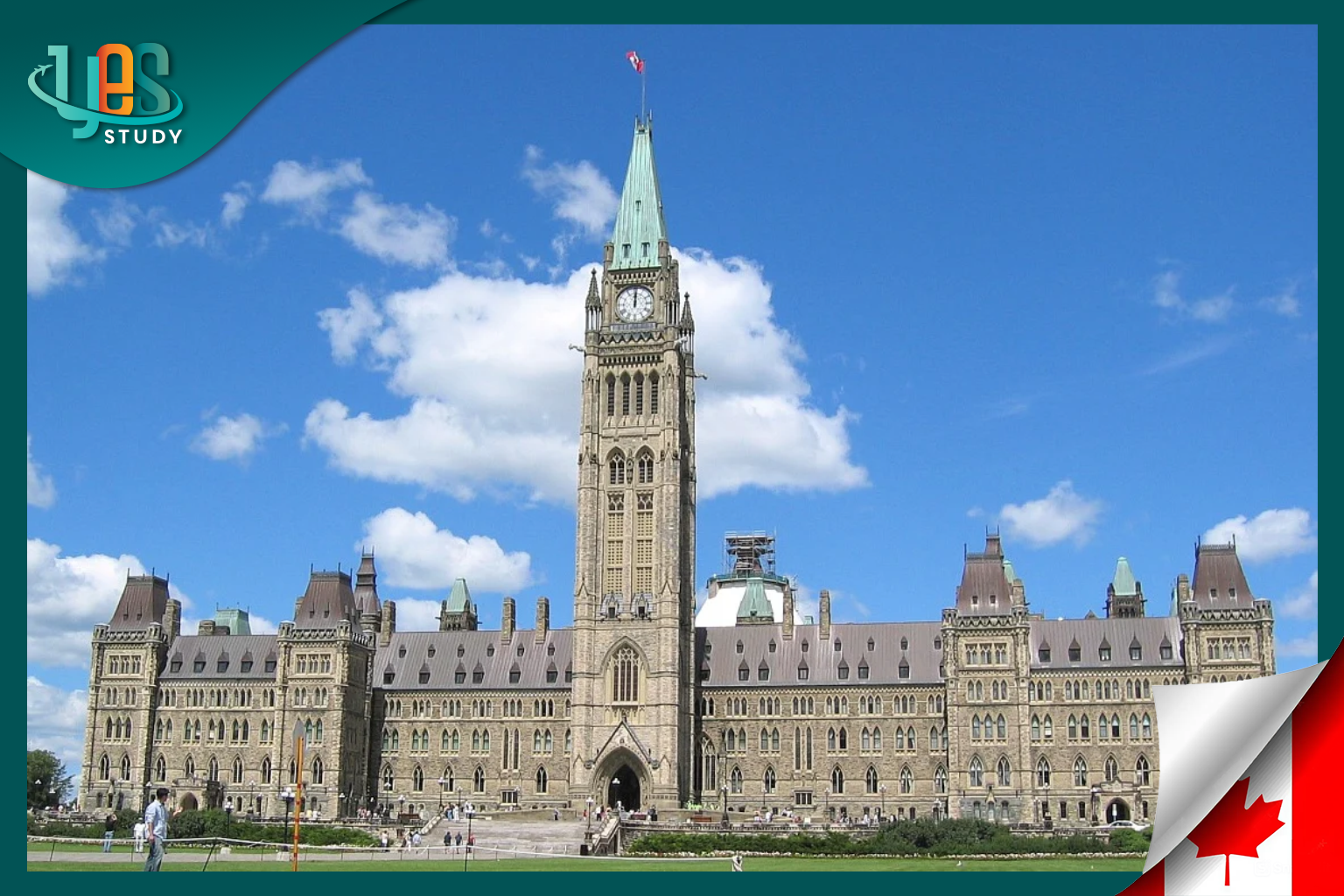
New Brunswick stands as Canada’s only constitutionally bilingual province, with roughly one-third of its population speaking Acadian French. Similarly, the National Capital Region—comprising Ottawa (Ontario, English-dominant) and Gatineau (Quebec, French-dominant)—seamlessly bridges both linguistic worlds across the Ottawa River.
Should You Learn English or French for Canada in 2026?
Amid evolving immigration targets from IRCC, deciding whether to rely solely on English or invest in French is a strategic puzzle.
The Strategic Advantage of French in Immigration
IRCC continues to emphasize category-based selection draws through Express Entry, prioritizing candidates with strong French proficiency through lower CRS cutoff thresholds. Furthermore, programs like the Francophone Mobility Program offer LMIA-exempt work permits outside Quebec for individuals achieving NCLC 5 or higher.
When Is English Alone Sufficient?
While French provides an impressive scoring boost, English (tested via IELTS General Training or PTE Core) remains the primary pillar for over 80% of study programs and Provincial Nominee Programs (PNP) across Ontario, BC, Alberta, and Saskatchewan. For STEM or high-skilled management applicants, a strong English profile combined with Canadian work experience remains exceptionally reliable for securing Permanent Residence (PR).
Frequently Asked Questions
How many languages are spoken in Canada?
Aside from English and French, over 200 immigrant languages are recorded in national censuses, alongside approximately 70 Indigenous languages across 12 distinct language families.
Can I survive in Toronto or Vancouver without knowing French?
Absolutely. English is the dominant language in over 98% of daily interactions in Toronto and Vancouver. French appears almost exclusively on federal product packaging and official government notices.
What French proficiency level is required for Express Entry French draws?
Candidates must achieve a minimum score of NCLC 7 across all four language abilities (Reading, Writing, Listening, Speaking) on approved tests such as TEF Canada or TCF Canada to qualify for French-targeted draws.
Conclusion
Canada is a uniquely bilingual nation where language distribution aligns closely with geography. Whether you focus exclusively on English or add French to your skillset depends on your long-term career and immigration goals. To map out your school selection and optimize your immigration score, contact the advisory team at Yes Study today!

Related news
A Guide to Flying to Canada for newcomers (First-Timers)

Canadian Education System: Overview and Latest Updates

Medical examination for Canadian immigration: Process, Costs and Experience (Updated 2025)
Latest news
What languages are spoken in Canada? Official languages and the 2026 immigration strategy
Applying for a 10-year Canadian visa: Requirements, procedures, and application tips
Immigration, Refugees and Citizenship Canada (IRCC)

Studying in Vancouver, Canada: An A-Z Guide for International Students
Trent University (Canada): Detailed Information and Study Abroad Experiences