Immigration, Refugees and Citizenship Canada (IRCC)
With a thriving economy, high quality of life, and welcoming immigration policies, Canada attracts people from all corners of the globe to live, work, and study. At the center of this massive international movement stands IRCC. If you have ever wondered what IRCC is, what role it plays, and how its services impact newcomers, this detailed guide breaks down everything you need to know.
What is IRCC? An Overview of Immigration, Refugees and Citizenship Canada
IRCC stands for Immigration, Refugees and Citizenship Canada. It is the federal department of the Government of Canada responsible for coordinating immigration policies, processing citizenship applications, and providing protection to refugees.
Previously known as CIC (Citizenship and Immigration Canada), the department was renamed IRCC in 2015 to better reflect its expansive humanitarian and citizenship responsibilities. You can review official details regarding the mandate of IRCC to understand its governance structure fully.
History and Evolution of IRCC
Established in June 1994, IRCC marked a pivotal evolution in how Canada centralized and managed its border policies and permanent residence streams. Over the decades, the department has continuously adapted to global shifts, labor shortages, and humanitarian crises.
Beyond processing paperwork, IRCC shapes the social fabric of Canada, ensuring that immigration policies support economic prosperity while upholding humanitarian commitments.
Key Roles and Responsibilities
IRCC fulfills several critical federal mandates:
- Developing and implementing immigration policies and selection streams tailored to Canada’s labor market needs.
- Administering refugee protection programs fairly and efficiently based on humanitarian principles and international obligations.
- Promoting Canadian citizenship values, rights, and responsibilities.
The department is led politically by the Minister of Immigration, Refugees and Citizenship, while administrative operations are overseen by the Deputy Minister of Immigration, Refugees and Citizenship alongside senior civil servants.
Expert Tip: Always consult official government channels or licensed professionals when navigating Canadian immigration. Immigration policies and scoring criteria change frequently, making up-to-date information critical for success.
Core Functions of IRCC
1. Immigration Streams
IRCC manages the pathways through which foreign nationals settle permanently in Canada:
- Express Entry: The electronic management system for federal skilled worker, skilled trades, and Canadian experience class applications. See more about our immigration consulting services.
- Provincial Nominee Program (PNP): Allows individual provinces and territories to nominate candidates who meet specific local economic needs.
- Family Sponsorship: Enables Canadian citizens and permanent residents to reunite with eligible close relatives.
2. Refugee Protection
IRCC evaluates and processes asylum and refugee protection claims, ensuring individuals fleeing persecution or danger receive fair hearings according to Canadian and international law.
3. Citizenship Services
The department processes applications for permanent residents transitioning to Canadian citizenship, which includes verifying physical residency requirements, administering the Canadian citizenship test, and conducting citizenship ceremonies.
Support Services and Settlement Programs
To help newcomers integrate successfully, IRCC funds numerous settlement and adaptation programs across Canada:
| Service / Program | Target Audience | Description | How to Access |
|---|---|---|---|
| Language Training (LINC/CLIC) | New permanent residents, refugees | Free or subsidized English or French language classes | Search via IRCC directory or local community centers |
| Employment Support | Newcomers, skilled workers | Career counseling, resume-building workshops, mentoring | Local employment resource centers |
| Settlement Orientation | New arrivals | Information sessions on housing, healthcare, and legal rights | Immigrant-serving community organizations |
Frequently Asked Questions About IRCC (FAQ)
What is a UCI?
Answer: UCI stands for Unique Client Identifier (sometimes called a Client ID). It is an eight- or ten-digit number assigned by IRCC to every individual who interacts with the department through a visa application, sponsorship, or citizenship request.
How can I check my application status?
Answer: You can track application progress online through the IRCC secure account portal by linking your application using your UCI and specific personal details.
How do I contact IRCC?
Answer: IRCC can be reached via their online web form, customer service phone lines, or through designated institutional channels. Because inquiry volumes are exceptionally high, response times can vary.
Conclusion
IRCC serves as the backbone of Canada’s immigration, refugee, and citizenship framework. Understanding how the department operates helps applicants approach their study, work, or permanent residency applications with clarity and precision.
If you are planning your immigration or study journey to Canada, explore official resources directly on the official IRCC website or connect with Yes Study for expert guidance tailored to your profile.

Related news

Custodianship in Canada

Canadian Education System: Overview and Latest Updates

Medical examination for Canadian immigration: Process, Costs and Experience (Updated 2025)

Climate in Canada: Four Seasons of the Year
Latest news
What languages are spoken in Canada? Official languages and the 2026 immigration strategy
Applying for a 10-year Canadian visa: Requirements, procedures, and application tips
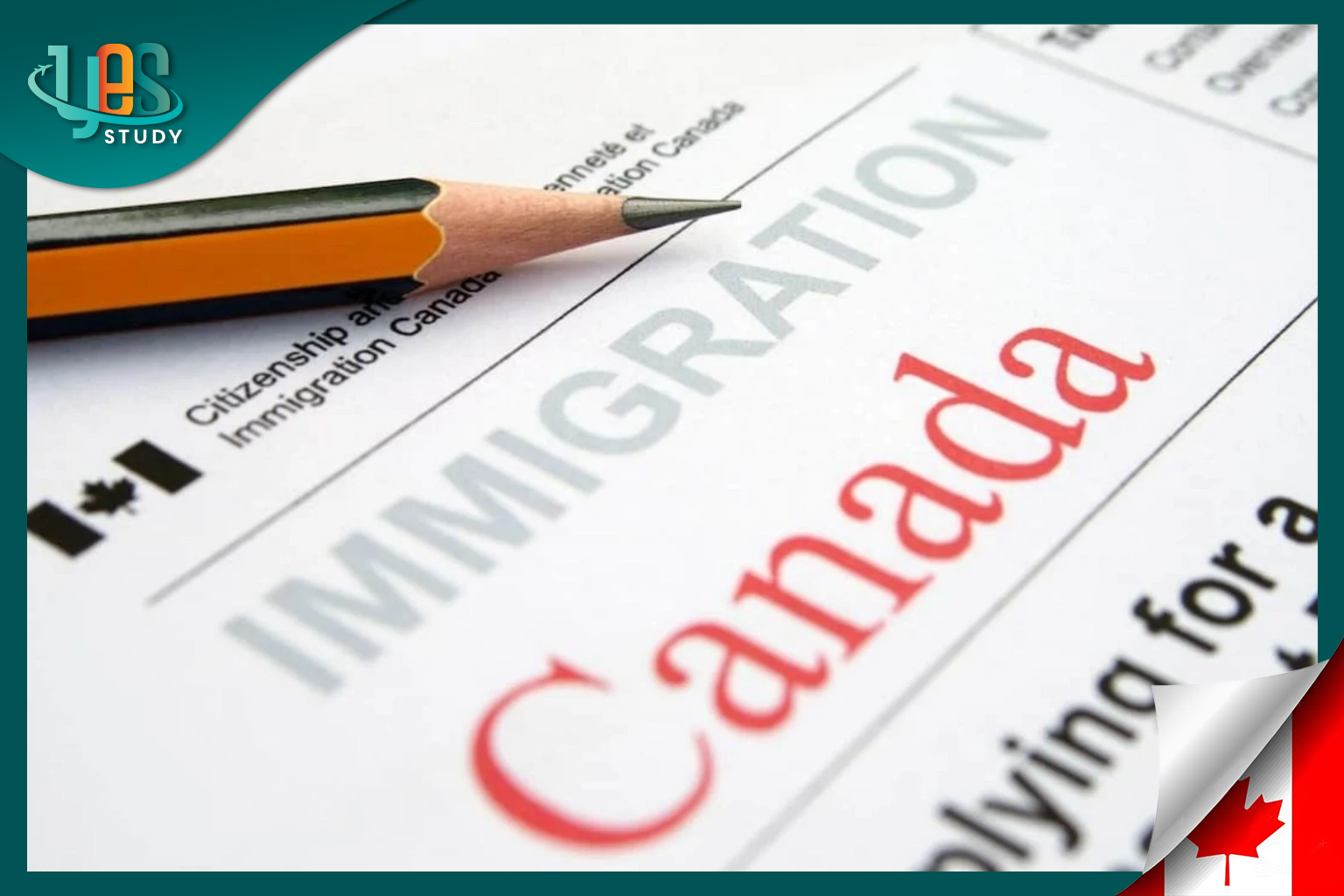
Immigration, Refugees and Citizenship Canada (IRCC)

Studying in Vancouver, Canada: An A-Z Guide for International Students
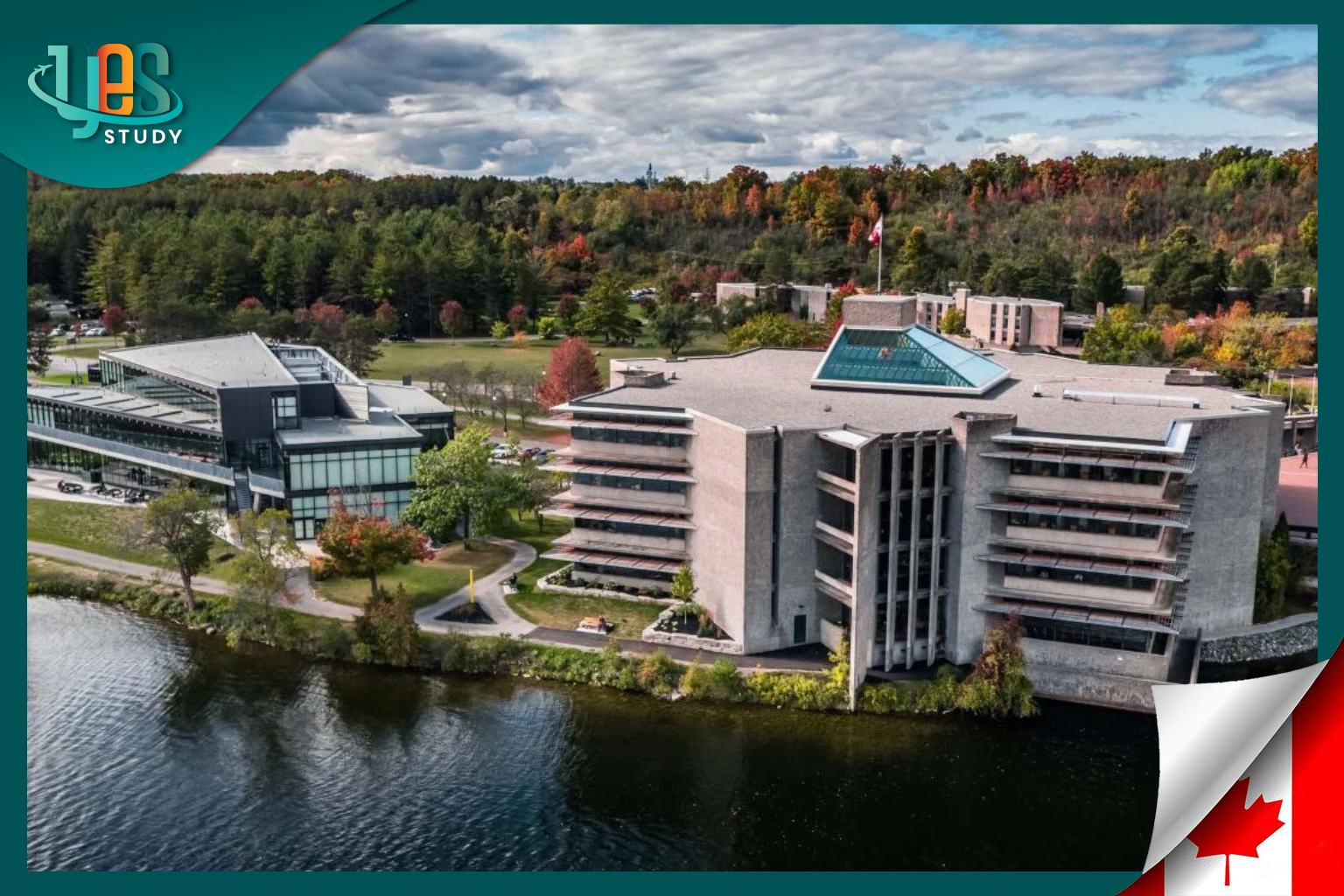
Trent University (Canada): Detailed Information and Study Abroad Experiences