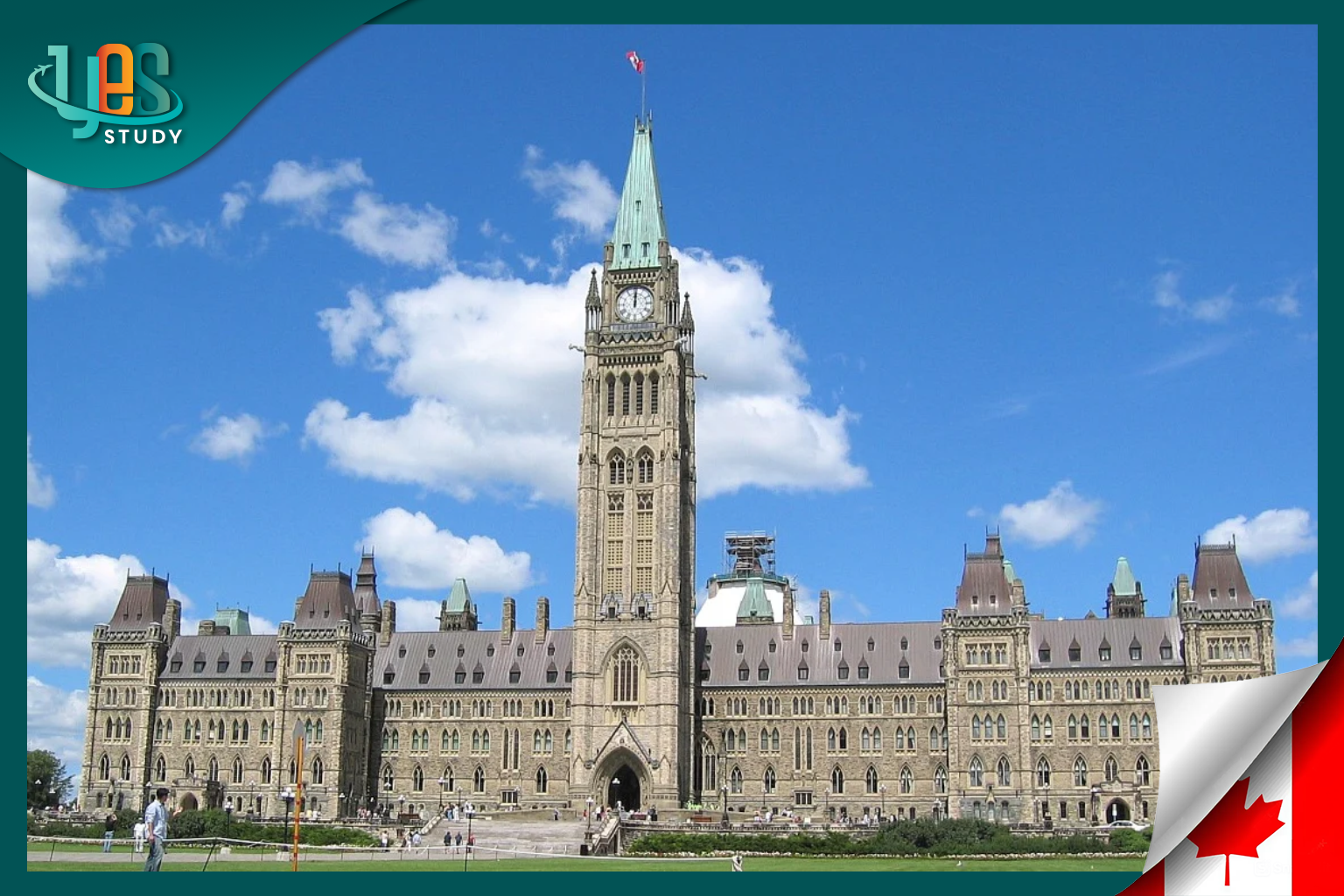
Studying in Vancouver, Canada: An A-Z Guide for International Students
Vancouver, Canada’s stunning coastal jewel on the Pacific Rim, is celebrated worldwide for its breathtaking natural landscapes and its standing as one of the premier study abroad destinations on earth. When I first landed in British Columbia, I was immediately struck by the seamless fusion of towering coastal mountains, deep ocean waters, and a vibrant, modern skyline.
This comprehensive guide to studying in Vancouver is designed to help you prepare thoroughly for your academic journey in one of the world’s most liveable cities.
Overview of Vancouver
Vancouver is a bustling seaport metropolis situated on Canada’s West Coast within the province of British Columbia (BC). As the largest city in BC and the third-largest metropolitan area in Canada (Metro Vancouver boasts a population exceeding 2.6 million), it forms one of the most culturally diverse and dynamic communities in North America.
- Province: British Columbia (BC)
- Location: West Coast of Canada, bordering the Pacific Ocean
- Key Characteristics: Famed for combining modern urban sophistication with raw natural beauty (ocean and mountains). It serves as a major global hub for technology, film production (“Hollywood North”), tourism, and international trade.
- Climate: Possesses the mildest climate among Canada’s major cities, featuring mild, wet winters and warm, dry summers.
- Time Zone: Pacific Time Zone (UTC-8)
Why Choose Vancouver for Your Studies?
Vancouver consistently ranks at the top of international student preference lists for several compelling reasons:
- World-Class Education: Home to globally recognized institutions offering rigorous academic programs and internationally respected credentials.
- Unmatched Quality of Life: Frequently ranked among the world’s most liveable cities due to its safety, clean environment, and welcoming multicultural population.
- Dynamic Economy & Career Growth: A flourishing tech sector and booming creative industries provide robust part-time work, co-op placements, and post-graduation work opportunities via the PGWP program.
- Natural Playground: Endless outdoor recreation—from skiing on local mountains to kayaking in English Bay—complements student life.
Top Universities and Colleges in Vancouver
1. University of British Columbia (UBC)
Ranked consistently among the world’s top research universities, UBC offers exceptional academic rigor, massive research facilities, and global prestige. It is an ideal destination for academically ambitious students, particularly in business, engineering, and the life sciences.
2. Simon Fraser University (SFU)
Recognized as one of Canada’s leading comprehensive universities, SFU is celebrated for its innovation and robust Co-op education programs, which allow students to gain paid, practical work experience before graduation—especially in computer science and business.
3. British Columbia Institute of Technology (BCIT)
Operating under a hands-on, applied learning philosophy, BCIT boasts some of the highest graduate employment rates in Canada, making it a premier choice for career-focused programs in engineering, trades, computing, and health sciences.
4. Langara College and Douglas College
Serving as major transfer pathways into top universities like UBC and SFU, these colleges offer smaller class sizes, flexible entry requirements, and more affordable tuition rates for the first two years of undergraduate study.
Financial Planning and Cost of Living in Vancouver
Understanding financial requirements is crucial, as Vancouver is known for having a higher cost of living compared to other Canadian regions.
| Expense Category | Estimated Cost (CAD/Year) | Notes |
|---|---|---|
| University Tuition (Degree Programs) | $32,000 – $48,000 | Varies significantly by faculty and institution (e.g., UBC vs. SFU). |
| College Tuition (Diploma/Associate) | $16,000 – $25,000 | More economical pathways at institutions like Langara or BCIT. |
| Living Expenses (Housing, Food, Transit) | $18,000 – $30,000 ($1,500 – $2,500/month) | Depends heavily on housing choices (homestay vs. apartment rental). |
Study Permit and Visa Procedures
International students must secure a Canadian Study Permit prior to arrival. Core document requirements include:
- An acceptance letter from a designated learning institution (DLI)
- Proof of financial support covering tuition and living expenses
- A valid passport and passport-sized photographs
- Supporting personal identification and background documents
Applications are submitted online through the official IRCC portal, followed by biometrics collection and medical examinations at designated clinics.
Student Life and Accommodation in Vancouver
Housing Options
Students typically choose between university dormitories (convenient and social, though pricier), homestays (excellent for cultural immersion and language practice), or private off-campus apartment rentals.
Public Transit
TransLink operates Vancouver’s integrated public transit system, which includes buses, the SkyTrain rapid transit network, and the SeaBus passenger ferry connecting downtown to the North Shore. Monthly student transit passes offer discounted fares.
Exploring the City
When not studying, students frequent iconic local spots such as:
- Stanley Park: A massive urban rainforest park surrounded by the seawall.
- Granville Island: Famous for its public market, artisan shops, and vibrant arts scene.
- Capilano Suspension Bridge: A thrilling rainforest canopy walk across a dramatic river canyon.
- Grouse Mountain: Offering panoramic city views, hiking trails, and winter skiing.
Conclusion
Studying in Vancouver opens doors to world-class education, incredible cultural experiences, and promising professional futures. With careful preparation and guidance, your journey to Canada’s Pacific coast will be an unforgettable chapter in your life.
If you need personalized assistance navigating school selection or visa applications, reach out to Yes Study for professional, expert consulting.

Related news
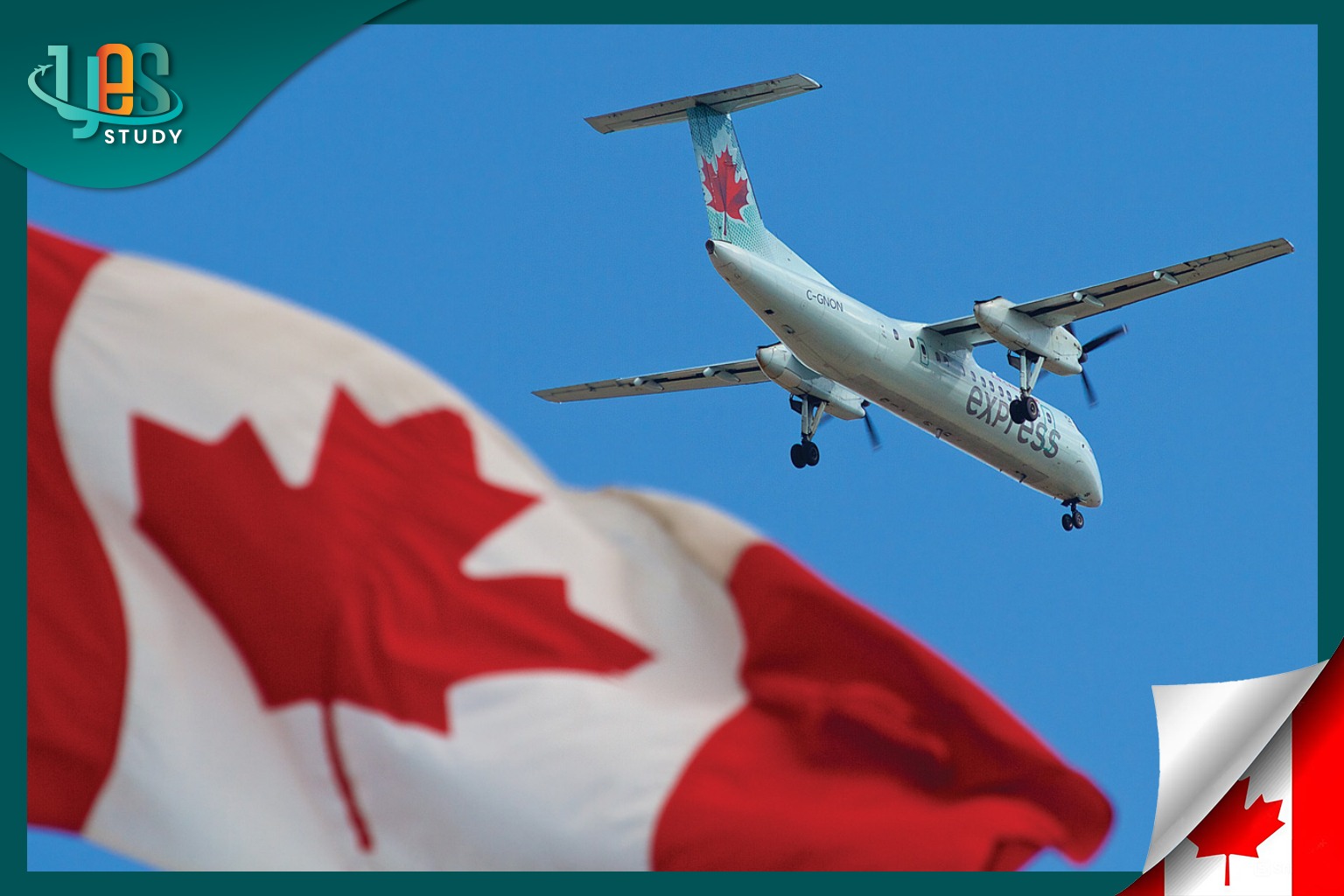
A Guide to Flying to Canada for newcomers (First-Timers)
Latest news

What languages are spoken in Canada? Official languages and the 2026 immigration strategy
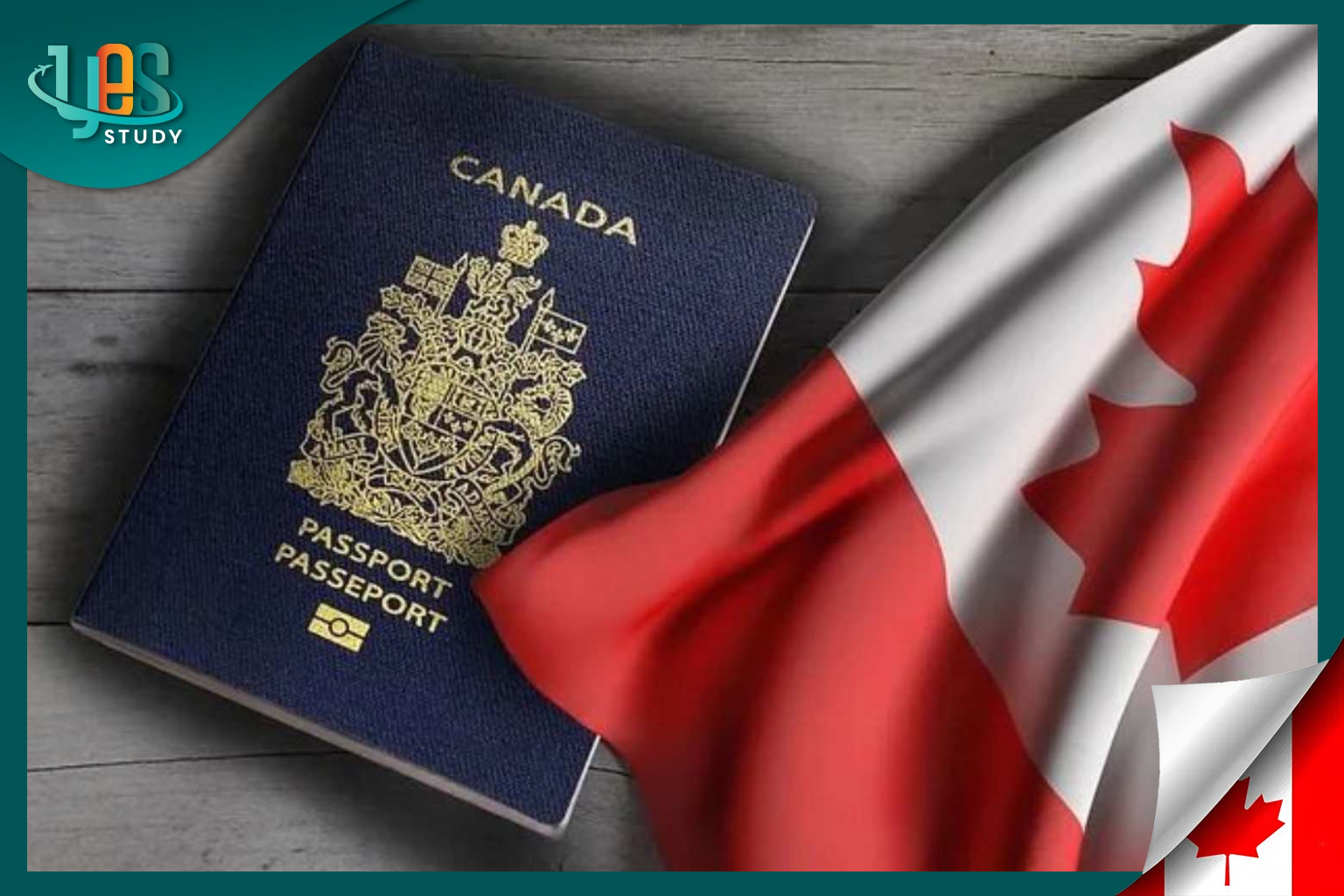
Applying for a 10-year Canadian visa: Requirements, procedures, and application tips

Immigration, Refugees and Citizenship Canada (IRCC)
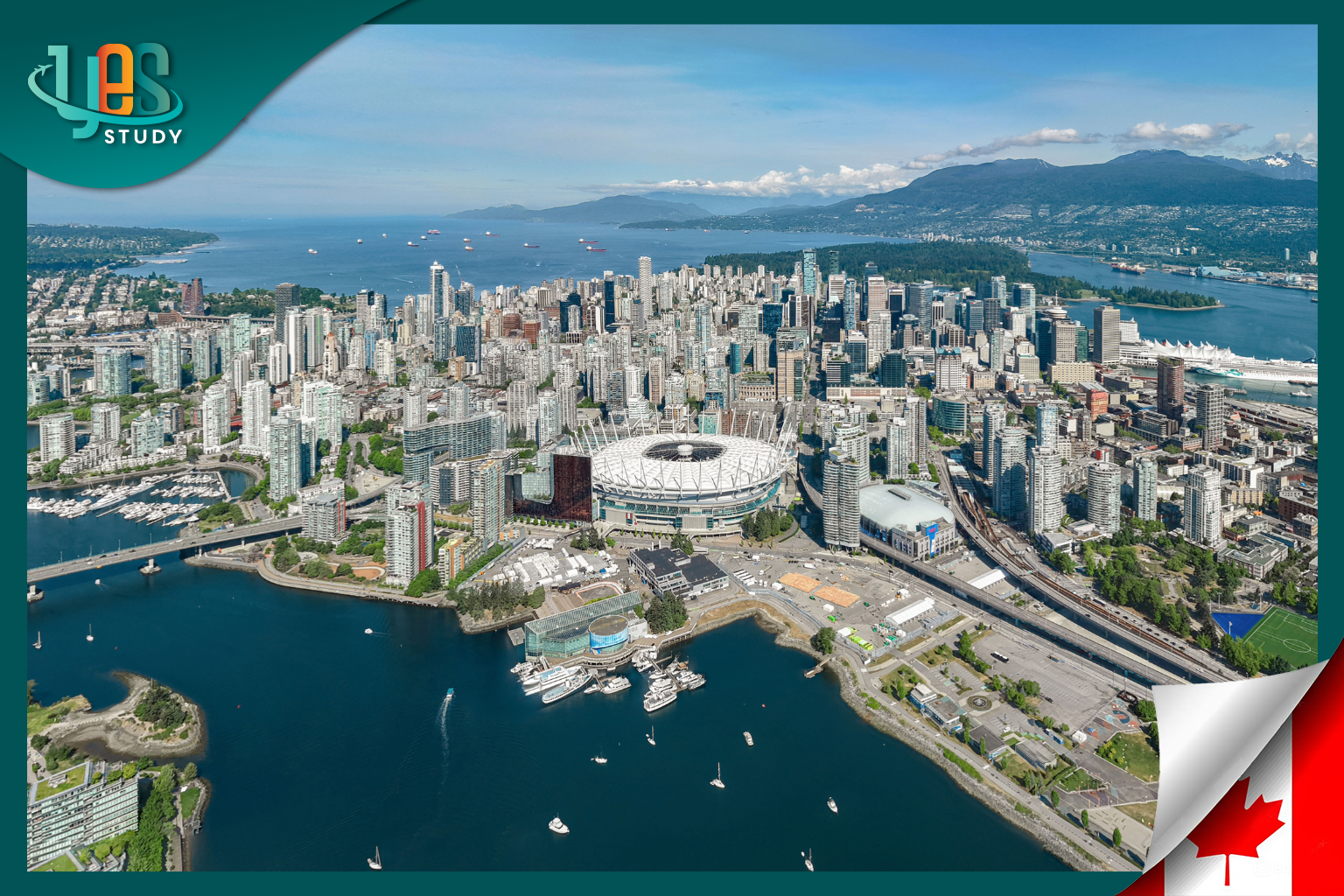
Studying in Vancouver, Canada: An A-Z Guide for International Students
Trent University (Canada): Detailed Information and Study Abroad Experiences