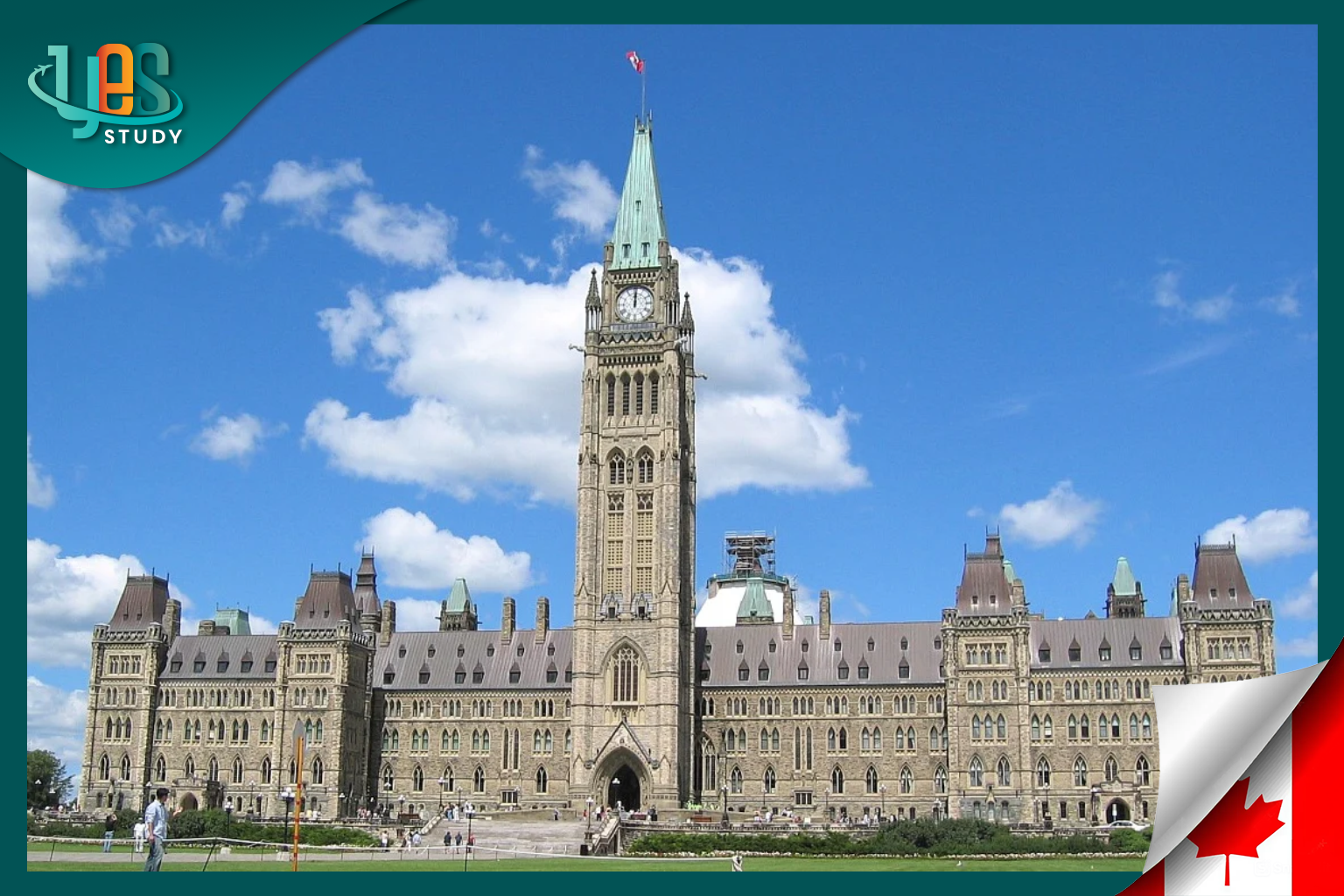
What is the capital of Canada?
Beyond familiar heavy-hitters like Toronto and Vancouver, Canada’s capital city—Ottawa—is steadily cementing its reputation as a premier destination for international education, career building, and immigration. When students or newcomers begin researching where to land in Canada, Ottawa often emerges as a balanced, culturally rich option. This comprehensive guide explores Ottawa from every angle: its geographic positioning, climate, daily cost of living, top-tier educational institutions, employment landscape, and study permit procedures.
Overview of Canada’s Capital
What Is the Capital of Canada?
The capital of Canada is Ottawa. Selected by Queen Victoria on December 31, 1857, the city sits within the province of Ontario along the south bank of the Ottawa River, directly across from Gatineau, Quebec, forming the core of Canada’s National Capital Region.
While Ottawa is not the provincial capital of Ontario (that role belongs to Toronto), it serves as the nation’s political nucleus. It houses the federal parliament, major government departments, and stands as a bilingual symbol uniting Canada’s English-speaking and French-speaking communities.
Clearing Up the Toronto vs. Ottawa Confusion
Before Ottawa was chosen, Toronto was a leading candidate and had previously served as a capital for the Province of Canada. Throughout the mid-19th century, political capitals bounced between Kingston, Montreal, Toronto, and Quebec City due to fierce political rivalry and shifting legislative seats between English and French factions.
Although Toronto stands as Canada’s largest city and economic powerhouse, it was ultimately passed over for the federal capital. Its proximity to the US border made it vulnerable during historical security tensions, and favoring Toronto would have alienated French-speaking Quebec. Ottawa was chosen precisely because of its neutral, inland location right on the provincial boundary between Ontario and Quebec.
Where Is Ottawa Located?
Ottawa ranks as Canada’s fourth-largest municipality. It sits approximately 400 kilometers east of Toronto and 190 kilometers west of Montreal.
- Population (City proper): ~1.09 million
- Metropolitan Population: ~1.48 million
- Total Land Area: 2,779 km²
- Elevation: 70 m
- Province: Ontario
- Key Neighborhoods: ByWard Market, Downtown, Centretown, Orléans, Barrhaven
Why Was Ottawa Chosen as the Capital?
Historical Selection Process
During the mid-19th century, the “Province of Canada” struggled to settle on a permanent seat of government. Fierce competition between English-dominated Canada West (Ontario) and French-dominated Canada East (Quebec) caused the capital to rotate constantly:
- Kingston (1841–1844)
- Montréal (1844–1849)
- Toronto (1849–1851)
- Quebec City (1851–1855)
- Toronto (1855–1859)
- Quebec City (1859–1865)
- Ottawa (1866–Present)
Exasperated by the constant moving, colonial leaders petitioned Queen Victoria to make the final choice. In 1857, she selected Ottawa. It was a strategic masterstroke: it bridged the linguistic divide right on the border of Ontario and Quebec, sat safely inland away from the American border, and offered room for government expansion.
Climate and Weather in Ottawa
Ottawa experiences a continental climate characterized by warm, humid summers and cold, snowy winters. Summer temperatures (June to August) regularly average 20°C to 25°C, while winter temperatures (December to February) drop to an average range of -10°C to -15°C.
The city averages around 235 cm of snowfall annually, maintaining a persistent snowpack from December through March. When preparing luggage for life or study in Ottawa, packing technical winter gear—including a rated parka, insulated boots, gloves, and thermal layers—is essential.
Cost of Living in Canada’s Capital
One of Ottawa’s greatest advantages for students and young professionals is enjoying high metropolitan living standards without the extreme financial pressure found in Toronto or Vancouver.
| Expense Category | Estimated Cost (CAD/Month) | Notes |
|---|---|---|
| Housing (1-person apartment) | $1,000 – $1,500 | Prices decrease further outside the downtown core. |
| Groceries & Food | $300 – $450 | Based on home cooking and grocery shopping. |
| Public Transit (Monthly Pass) | $120 – $150 | OC Transpo transit pass for buses and O-Train light rail. |
| Utilities & Internet | $140 – $200 | Electricity, heating, water, and high-speed internet. |
| Health Insurance | $75 – $120 | Varies by international student or private health plans. |
For a small family, baseline monthly living expenses typically range between $4,000 and $5,000 CAD, excluding major housing purchases.
Time Zone and Transportation
Ottawa operates on Eastern Time (ET), observing UTC-5 in winter and UTC-4 during Eastern Daylight Time in summer. For instance, when it is 9:00 AM in Vietnam (UTC+7), it is 10:00 PM the previous night in Ottawa during summer. Ottawa is thus 11 hours behind Vietnam in summer and 12 hours behind in winter.
Public transportation is coordinated by OC Transpo, featuring an extensive bus network and the modern O-Train light rail system, making commuting across the city straightforward without owning a car.
Festivals and Cultural Life in Ottawa
Ottawa punches well above its weight class when it comes to world-class festivals:
- Canadian Tulip Festival: Held every May, it stands as the world’s largest tulip festival, commemorating Canada’s historical alliance with the Dutch royal family after WWII.
- Winterlude (Winterlude): Taking over February, this festival transforms the frozen Rideau Canal—the world’s largest naturally maintained skating rink—into a bustling winter playground featuring ice carving and outdoor concerts.
- Ottawa Bluesfest: One of North America’s largest outdoor music festivals, drawing massive international headliners every July.
- Canada Day (July 1st): Celebrated nationally on Parliament Hill with grand parades, musical performances, and spectacular fireworks.
Top Universities and Educational Institutions in Ottawa
Education quality in Ottawa is exceptionally high, offering international students renowned degree and diploma pathways.
1. University of Ottawa (uOttawa)
As the largest bilingual (English-French) university in the world, uOttawa excels in law, medicine, engineering, and the social sciences. Tuition typically ranges between $30,000 and $40,000 CAD annually, with numerous entrance scholarships available for high-achieving international applicants.
2. Carleton University
Renowned for its strong research output, Carleton stands out globally for journalism, public affairs, high-tech engineering, and computer science. It features a tight-knit campus community and robust co-op placement opportunities.
3. Algonquin College
For career-focused, practical technical programs, Algonquin College maintains close ties with local industries, ensuring graduates transition smoothly into Ottawa’s active job market.
Employment Opportunities After Graduation
Ottawa’s job market is robust, particularly anchored by technology, federal public service, healthcare, and engineering sectors. Often dubbed “Silicon Valley North,” the city hosts major tech employers like Shopify, Nokia, and IBM, alongside thousands of government positions. International graduates benefit greatly from the Post-Graduation Work Permit (PGWP) program to gain valuable Canadian work experience that can support a future PR pathway.
Study Permit Application Steps for Ottawa
Securing authorization to study in Ottawa involves standard federal immigration steps:
- Receive an acceptance letter from a Designated Learning Institution (DLI) in Ottawa.
- Demonstrate sufficient financial support for tuition and living expenses.
- Submit valid identity documents, police certificates, and medical exams.
- Provide a strong Statement of Purpose explaining your study plan.
- Submit your Study Permit application online through the official IRCC portal.
Conclusion
Canada’s capital city, Ottawa, offers an ideal environment for international students and professionals—blending top-tier academic institutions, solid career prospects, manageable living costs, and a safe, multicultural lifestyle. If you are weighing your options for studying abroad, Ottawa deserves a top spot on your list.
Begin mapping out your academic journey today! Reach out to Yes Study for professional, personalized study abroad consulting and complete visa application support.

Related news
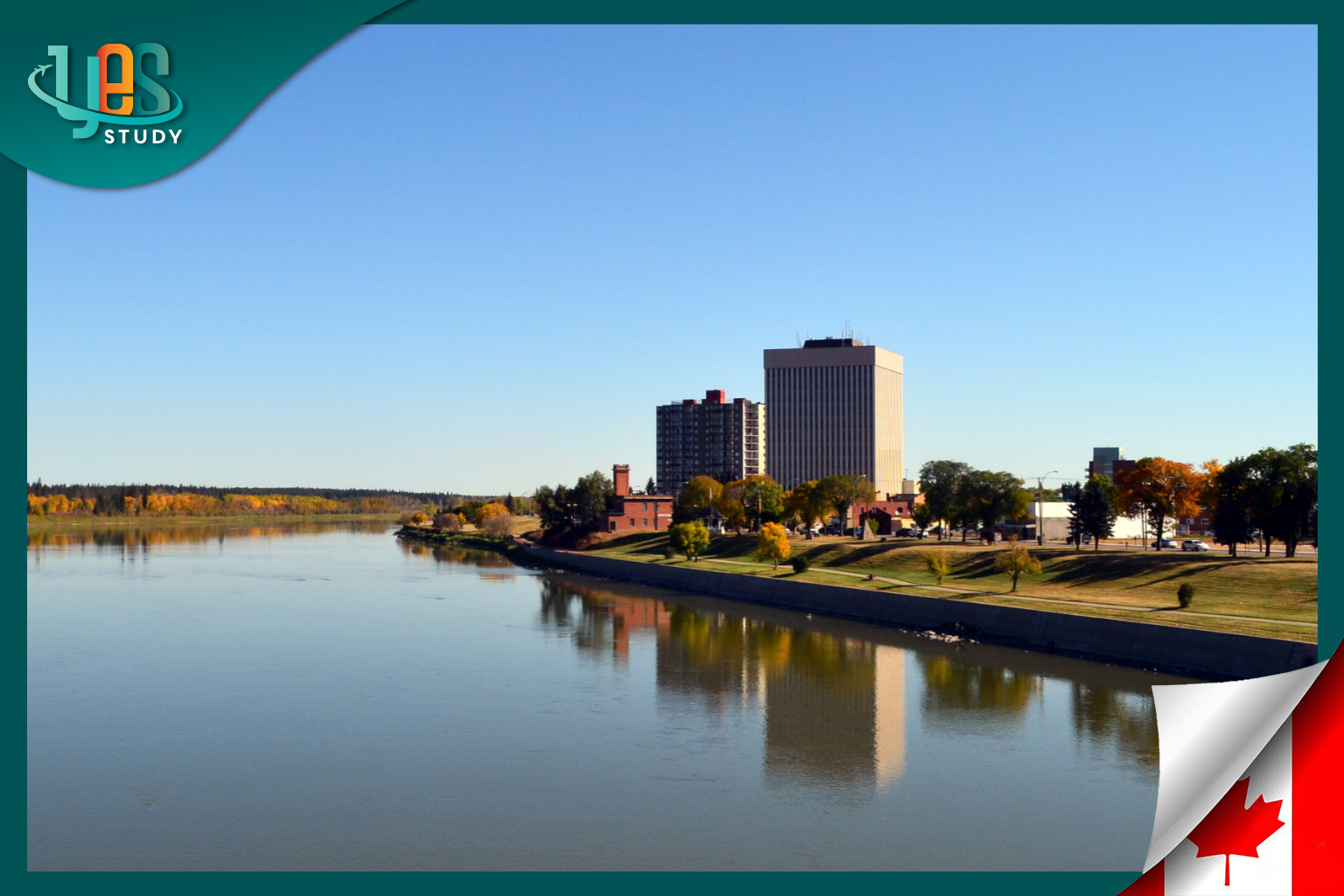
Prince Albert, Canada Travel: Discover Saskatchewan’s “Gateway to the North”
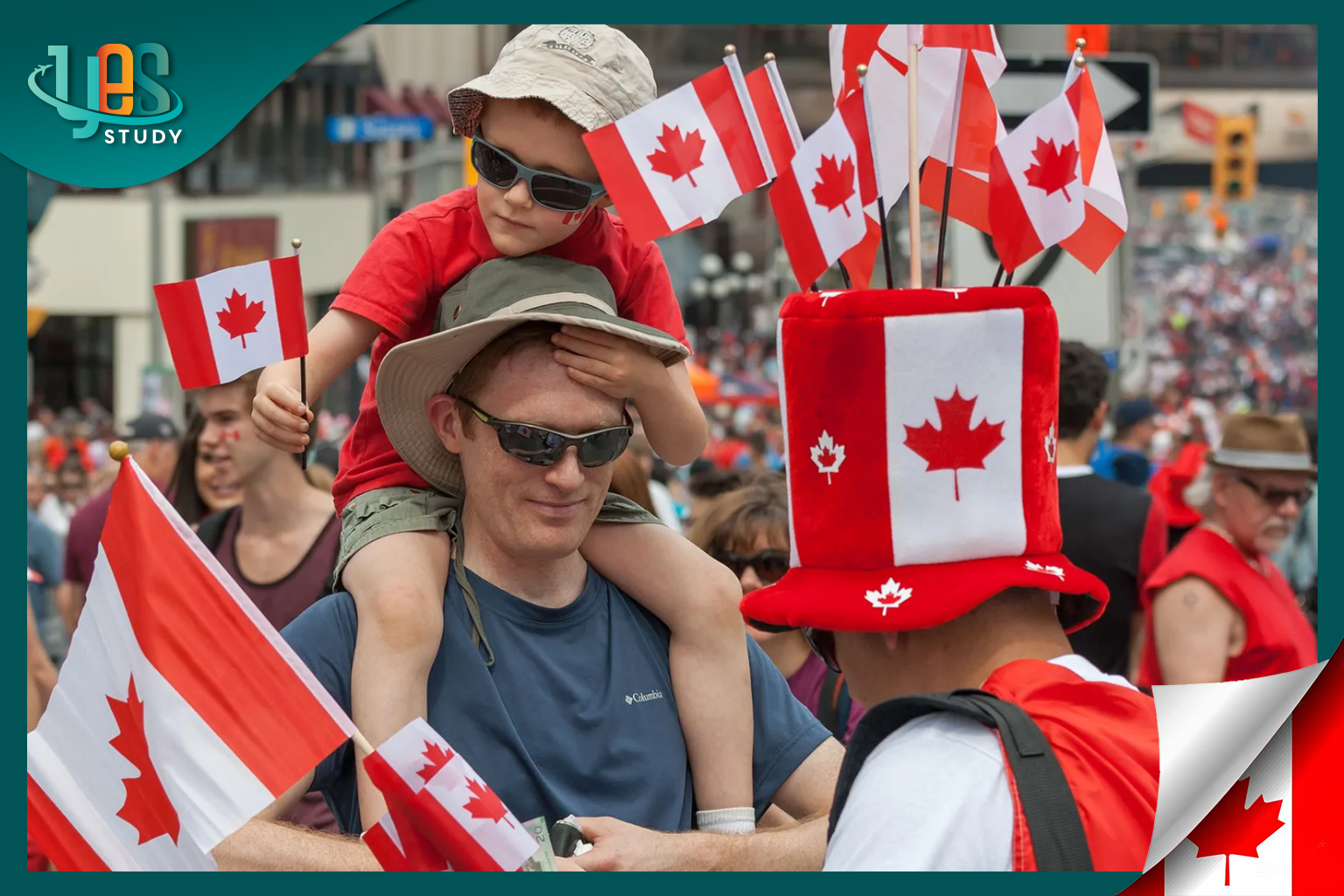
Canada Day 2026: History, Significance, and a Survival Guide for International Students
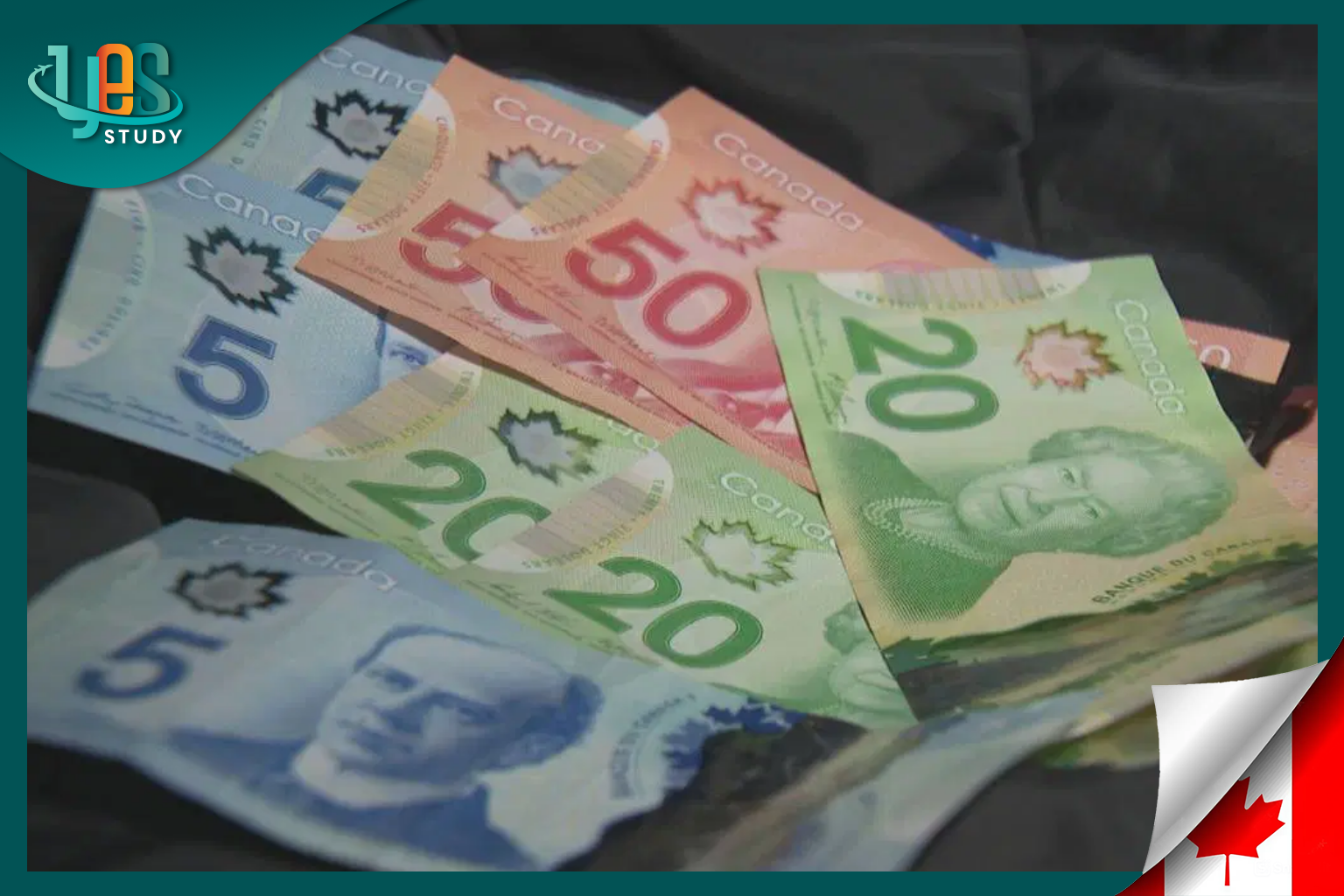
Minimum Wage in Canada
Latest news
What languages are spoken in Canada? Official languages and the 2026 immigration strategy
Applying for a 10-year Canadian visa: Requirements, procedures, and application tips
Immigration, Refugees and Citizenship Canada (IRCC)
Studying in Vancouver, Canada: An A-Z Guide for International Students
Trent University (Canada): Detailed Information and Study Abroad Experiences