
Climate in Canada: Four Seasons of the Year
Canada attracts thousands of people for study and settlement every year. However, before making this life-changing decision, understanding the climate in Canada is essential. Many of our students at Yes Study often worry about the “legendary” Canadian winter, but as we always tell them, the beauty of this country lies in the distinct character of all four seasons.
This article provides a detailed handbook on the Canadian climate, helping you prepare for your study abroad or immigration journey to this beautiful North American nation.
Overview of the Climate in Canada
Geography and Factors Influencing the Climate
As the world’s second-largest nation by land area, Canada stretches from the Atlantic to the Pacific and borders the Arctic Ocean to the north. This vast geography dictates a complex and varied climate across different regions.
Key factors affecting the climate in Canada include:
- Latitude: Generally, the further north you go, the colder it gets.
- Terrain: Mountain ranges (like the Rockies) and vast plains influence wind patterns and precipitation.
- Ocean Currents: Warm and cold currents significantly impact coastal temperatures.
- Wind: Prevailing winds can bring moisture from the oceans or dry, cold air from the Arctic.
Main Climate Types in Canada
While Canada is often associated with snow, it actually encompasses several distinct climate types:
- Humid Continental: Characterized by hot, humid summers and cold winters. This is typical of Central and Eastern Canada (Ontario and Quebec).
- Marine Temperate: Features mild winters and cool summers with high rainfall. This is common along the West Coast (British Columbia).
- Tundra: Known for extremely cold winters and very short, cool summers. This prevails in Northern Canada.
Regional Climate Differences
Regional variation is one of Canada’s most striking features. For example:
- West Coast (British Columbia): Mild winters with little snow, cool summers, and high precipitation.
- The Prairies (Alberta, Saskatchewan, Manitoba): Very cold winters with heavy snow, but hot and dry summers.
- The North (Yukon, Northwest Territories, Nunavut): Extremely cold winters and very short summers with permafrost.
Exploring the Four Seasons in Canada
Understanding the transition of seasons is vital for anyone planning to immigrate to Canada. Each season offers a unique lifestyle and set of activities.
Characteristics of the 4 Seasons
| Season | Timeline | Climate Features | Suggested Activities | Clothing Advice |
|---|---|---|---|---|
| Spring | March – May | Snow melts, warming up but remains unpredictable. | Hiking, flower festivals (Tulip Festival). | Light jackets, sweaters, umbrellas. |
| Summer | June – August | Sunny, warm, long daylight hours. | Camping, swimming, outdoor festivals. | Light clothing, sunscreen, sunglasses. |
| Autumn | Sept – Nov | Stunning leaf changes (Maple leaves), cool air. | Leaf peeping, apple picking, hiking. | Warm jackets, scarves, layering. |
| Winter | Dec – Feb | Cold, snowy, short days, temps often below 0°C. | Skiing, ice skating, winter carnivals. | Heavy coats, snow boots, thermal wear. |
Average Seasonal Temperatures in Major Cities
| City | Spring | Summer | Autumn | Winter |
|---|---|---|---|---|
| Toronto | 5 to 15°C | 20 to 30°C | 10 to 20°C | -5 to 5°C |
| Vancouver | 8 to 18°C | 15 to 25°C | 10 to 18°C | 2 to 8°C |
| Montreal | 3 to 13°C | 20 to 28°C | 8 to 18°C | -10 to 0°C |
Weather in Provinces and Territories
When choosing a province to settle in, the local weather should be a top consideration.
- Ontario & Quebec: These provinces experience a full four-season cycle. Summers can be quite hot, while winters bring significant snow, perfect for winter sports enthusiasts.
- Alberta & Saskatchewan: These regions are known for their “sunny winters.” Even though it is cold, the skies are often clear blue. Alberta also experiences “Chinook” winds that can warm up the temperature rapidly in mid-winter.
- Atlantic Canada (Nova Scotia, PEI, New Brunswick, NL): Influenced by the ocean, these provinces have high humidity and can experience heavy snowfall and “Nor’easter” storms.
Professional Advice for Living in Canada
Essential Clothing and Gear
To navigate the Canadian climate, we recommend a “layering” strategy. When I first moved to Canada, I realized that one thick coat is often less effective than several thinner layers. This allows you to adjust as you move between the cold outdoors and heated indoor environments.
- High-quality Winter Coat: Look for “down” or “synthetic fill” with a waterproof shell.
- Thermal Base Layers: Essential for keeping body heat in.
- Waterproof Boots: Vital for spring slush and winter snow.
- Accessories: A good pair of gloves, a warm hat (toque), and a scarf are non-negotiable in winter.
Health and Wellness Tips
Adjusting to a new climate involves caring for your physical health:
- Vitamin D: Since sunlight is scarce during the winter months, many Canadians take Vitamin D supplements to maintain their mood and bone health.
- Hydration: Indoor heating can be very drying. Drink plenty of water and use a humidifier if necessary.
- Stay Active: Don’t let the cold keep you inside. Engaging in winter sports is a great way to stay healthy and beat the “winter blues.”
The Impact of Climate Change in Canada
Like the rest of the world, Canada is experiencing the effects of climate change. We are seeing rising temperatures, melting Arctic ice, and more frequent extreme weather events such as wildfires and floods. The Canadian government is actively working on green energy solutions and emission reductions. You can stay updated on these initiatives via the official Government of Canada environment page.
Conclusion
The climate in Canada is diverse, vibrant, and changes beautifully with the seasons. While the cold might seem daunting at first, with the right preparation and mindset, you will find that every season offers its own magic. Whether it’s the blooming tulips of spring or the crisp maple leaves of autumn, Canada is a country that embraces its environment.
At Yes Study, we are here to help you navigate every step of your journey, from visa procedures to lifestyle adaptation. We hope this guide helps you feel more prepared and excited for your new life in the Great White North!

Related news
What languages are spoken in Canada? Official languages and the 2026 immigration strategy
Applying for a 10-year Canadian visa: Requirements, procedures, and application tips

Immigration, Refugees and Citizenship Canada (IRCC)
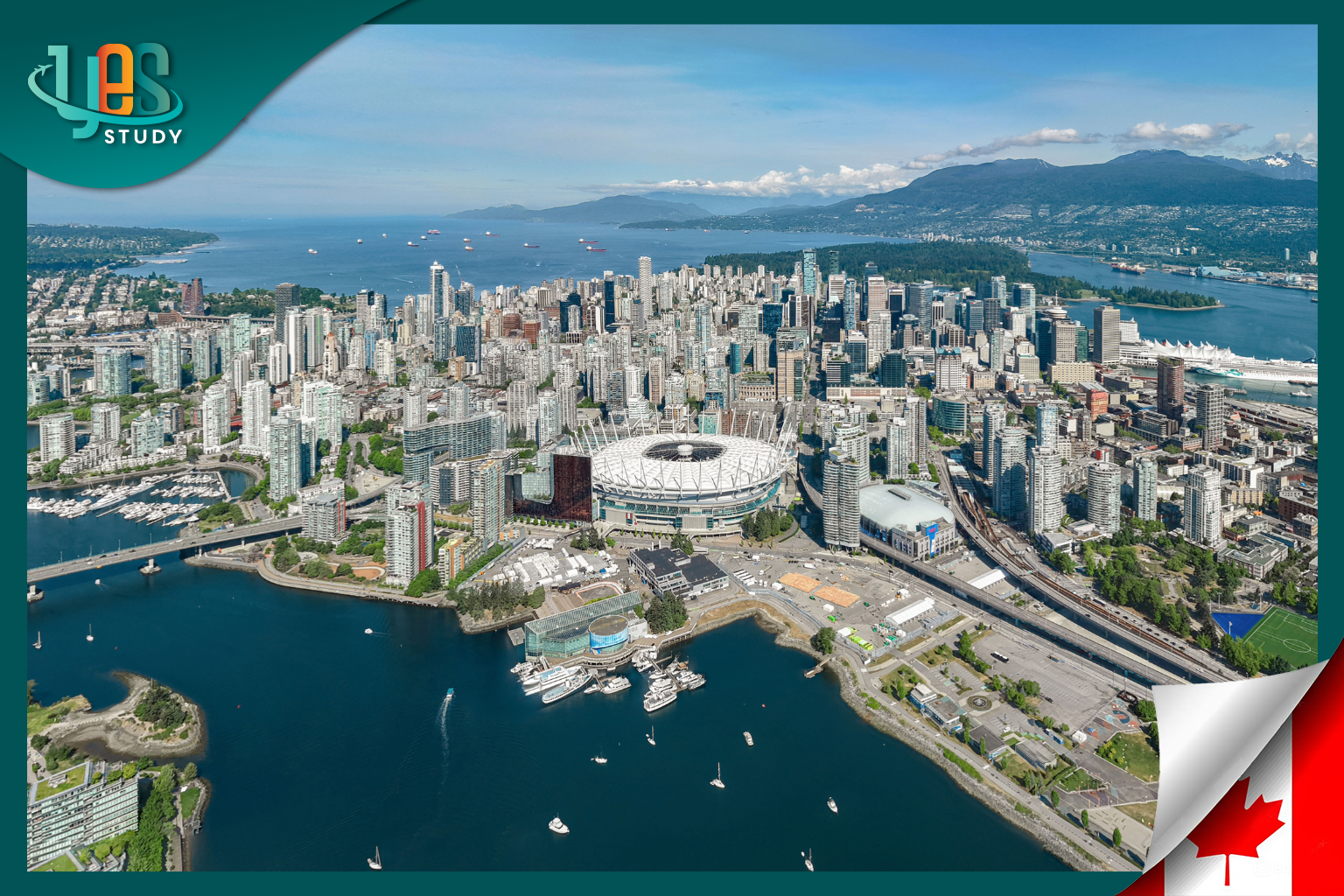
Studying in Vancouver, Canada: An A-Z Guide for International Students
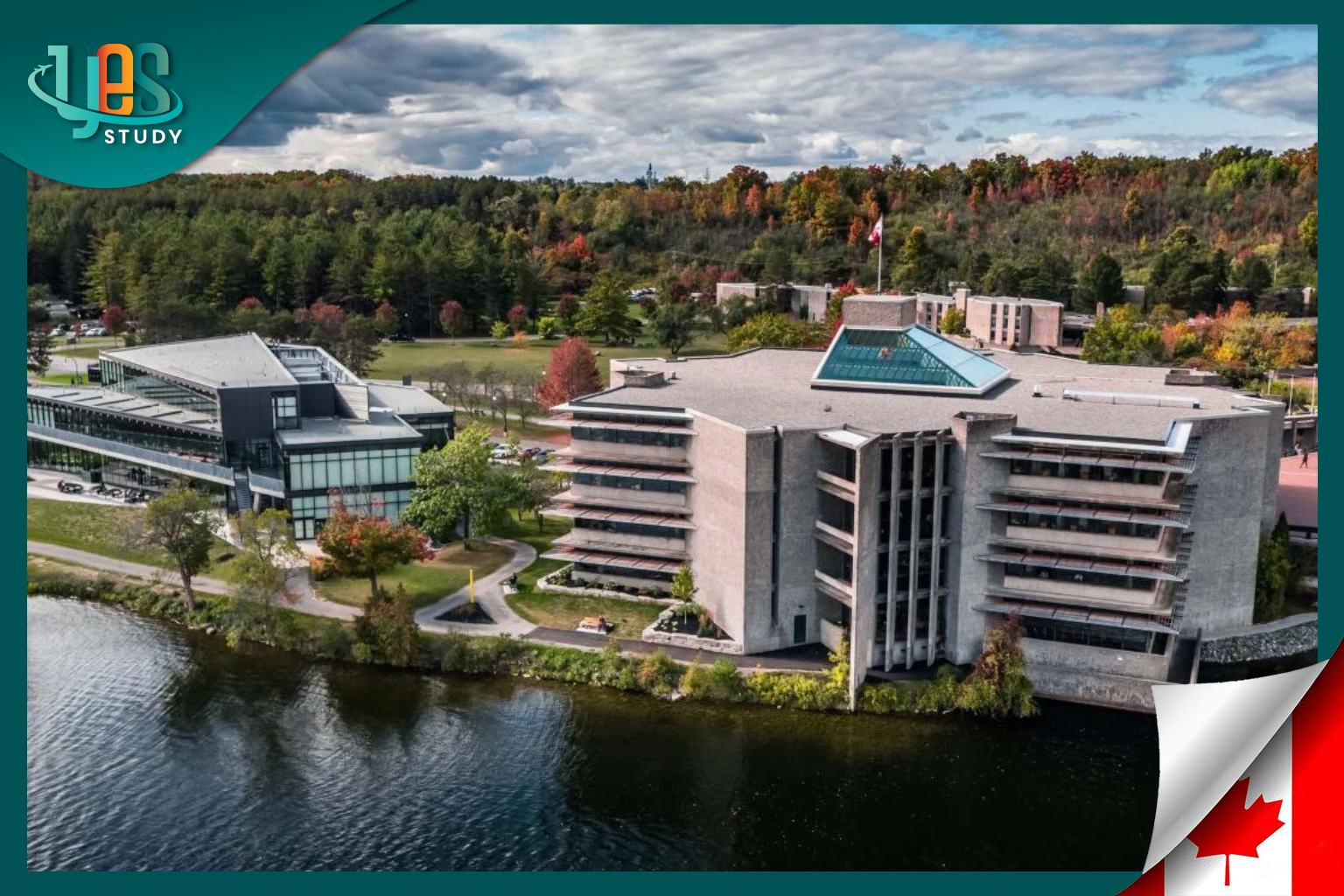
Trent University (Canada): Detailed Information and Study Abroad Experiences
What is the capital of Canada?
Latest news
What languages are spoken in Canada? Official languages and the 2026 immigration strategy
Applying for a 10-year Canadian visa: Requirements, procedures, and application tips
Immigration, Refugees and Citizenship Canada (IRCC)
Studying in Vancouver, Canada: An A-Z Guide for International Students
Trent University (Canada): Detailed Information and Study Abroad Experiences