
Studying High School in Canada in 2026: Requirements, Costs and Optimal Pathways
Are you planning for your child to attend high school in Canada in 2026 but feeling overwhelmed by budgets and admission requirements? To begin this journey, Vietnamese students typically need an average budget of 400 – 600 million VND per year (approximately 22,000 – 33,000 CAD), a Grade Point Average (GPA) of 6.5 or higher, and notably, an IELTS certificate is not mandatory to start.
At Yes Study, headquartered in Toronto, we walk alongside students through every step—from school selection and Study Permit applications to providing hands-on support for their integration into Canadian life.
Why Choose a Canadian High School Program in 2026?
The trend of sending children abroad during their high school years is becoming increasingly popular in Vietnam. Rather than waiting until university, accessing the North American education system early helps students adapt to the language, embrace active learning methods, and build independence before reaching adulthood.
A Global Standard of Education
Canada is one of the highest investors in education among G7 nations. The system is strictly managed at the provincial level, ensuring consistent quality regardless of where your child studies. A standout feature of Canadian high schools is the credit-based system. Instead of following a rigid, one-size-fits-all curriculum, students proactively choose subjects that align with their interests and future career goals—ranging from Fine Arts and IT to Business and Science.
According to the PISA (Programme for International Student Assessment) reports by the OECD, Canadian students consistently rank among the world’s best in Reading, Mathematics, and Science. This high practical relevance and quality make a Canadian high school diploma highly respected globally.
The “Domestic Student” Advantage for University Entrance
One of the most compelling reasons we see parents choosing Canadian high schools is the “golden ticket” it provides for university admission. When a student earns a Canadian high school diploma, such as the OSSD (Ontario Secondary School Diploma) or the Dogwood Diploma (British Columbia), they are often evaluated as domestic applicants by top-tier institutions like the University of Toronto, UBC, or McGill.
This is a massive strategic advantage. For instance, students graduating in Ontario apply through the OUAC 101 stream (reserved for in-province students), which faces significantly lower competition than international students applying from outside Canada. Furthermore, several provinces offer lower tuition rates or exclusive scholarships for students who completed their secondary education locally.
What Are the Requirements for High School in Canada in 2026?
Generally, the entry requirements for Canadian high schools are less stringent than for higher education. Both the government and schools aim to create a welcoming environment for international students.
Academic and Age Requirements
- Age: Students aged 13 to 18 (equivalent to Grade 8 through Grade 12 in Vietnam).
- Academic Record (GPA): A minimum average of 6.5/10 over the last two academic years. Prestigious private or elite schools may require a GPA of 8.0 or higher.
- Recommendation Letters: Some schools may request a letter from a homeroom teacher or a Math/English teacher to assess the student’s learning attitude.
Language Requirements (English/French)
A common concern I hear from parents is whether their child needs an IELTS certificate. The answer is no. Most Canadian high schools do not mandate IELTS or TOEFL for admission.
Upon arrival, students take a Placement Test for English and Math. Based on the results, they are placed in ESL (English as a Second Language) classes alongside their core subjects. This allows them to improve their language skills naturally in a native environment without falling behind in their official credits.
Financial Capacity and Custodianship
The IRCC (Immigration, Refugees and Citizenship Canada) has strict legal requirements for minors:
- Financial Proof: You must demonstrate sufficient funds to cover tuition and living expenses for the first year. We recommend preparing documents such as savings books, bank statements, and proof of stable monthly income. For more details, see our 2026 guide on financial proofing.
- Custodian: Students under 18 (in provinces like Ontario or Alberta) or under 19 (in BC or Nova Scotia) must have a legal guardian in Canada. The custodian must be a Canadian citizen or Permanent Resident (PR) living near the school, responsible for communicating with the school and caring for the student in emergencies.
Detailed Costs for High School in Canada 2026
Expenses vary depending on the type of school (Public, Private Day, or Private Boarding) and the specific region.
| School Type | Avg. Tuition (CAD/Year) | Key Features |
|---|---|---|
| Public School Boards | 14,000 – 16,500 CAD | Native environment, cultural diversity, Homestay living. Cost-effective. |
| Private Day Schools | 20,000 – 35,000 CAD | Small class sizes, high teacher attention, strong university prep. |
| Private Boarding Schools | 45,000 – 70,000 CAD | Includes room and board. Elite facilities, 24/7 supervision, Ivy League focus. |
Living Expenses: Homestay and Insurance
- Homestay: Ranges from 1,000 – 1,400 CAD/month. This usually includes a private room and three meals a day. It is the best way for students to improve their English and integrate into Canadian culture.
- Mandatory Health Insurance: Approximately 600 – 900 CAD/year.
- Miscellaneous (Books, Uniforms, Transport): Approximately 1,500 – 2,500 CAD/year.
The Optimized Pathway for Vietnamese Students
Timing is everything. Starting at Grade 9 versus Grade 12 results in very different experiences.
Grades 9 & 10: The Golden Window
In our experience, starting in Grade 9 or 10 is the ideal choice. Students have 3 to 4 years to accumulate credits comfortably without the pressure of a ticking clock. This timeframe allows them to master English, participate in sports or volunteer work, and build a competitive profile for university scholarships.
Grades 11 & 12: The Fast-Track
The challenge here is credit conversion from the Vietnamese system. While school boards will credit some of your child’s previous work, they must still complete mandatory Canadian credits. We often recommend International Private Schools for late starters, as they often offer 4 to 5 semesters per year (fast-track), allowing students to graduate on time for university intake.
Step-by-Step Application Process for 2026
To secure a spot for 2026, I recommend starting 6 to 9 months in advance as quotas for international students fill up quickly.
- Step 1: Select School and Province: Choose based on career goals, budget, and personality (Ontario, BC, Alberta, etc.).
- Step 2: Apply for Letter of Acceptance (LOA): Submit transcripts from the last two years and your passport.
- Step 3: Arrange Custodianship: Notarize documents from both the parents in Vietnam and the guardian in Canada.
- Step 4: Pay Tuition: Pay the first year’s tuition to receive an Official Tuition Receipt.
- Step 5: Apply for Study Permit: Submit your financial and personal documents to the Canadian Consulate.
- Step 6: Pre-departure: Get your visa, book flights, and attend Yes Study’s pre-departure briefing.
Popular Schools for 2026 Intake
| School Name | Location | Approx. Tuition (CAD/Year) |
|---|---|---|
| Urban International School | Ontario | 22,000 – 28,000 |
| Birmingham International Collegiate (BICC) | Ontario | 25,000 – 30,000 |
| London International Academy | Ontario | 20,000 – 26,000 |
| Bodwell High School | British Columbia | 28,000 – 35,000 |
| Toronto District School Board (Public) | Toronto, ON | 15,000 – 18,000 |
| Vancouver School Board (Public) | Vancouver, BC | 15,000 – 19,000 |
Insights from the Yes Study Toronto Office
Operating from our Toronto headquarters, we see many Vietnamese students arrive every semester. One reality I’ve noticed is that most students face a mild “culture shock” during the first 2-3 months. Tasks like doing their own laundry, keeping their room tidy, and communicating exclusively in English can lead to homesickness.
My advice to students: Be proactive. Talk to your Homestay hosts, join a school sports team, and don’t be afraid to make mistakes in English. For academics, try not to overload your first semester with heavy science courses. Balance them with practical subjects like Art, Physical Education, or Technology to give yourself time to adapt to new teaching methods.
I also encourage parents to verify information through official channels like EduCanada.ca to understand the rights and responsibilities of international students.
Studying high school in Canada in 2026 is more than an academic step—it’s a foundation for a future career and potential permanent residency. With the right pathway, it is one of the most rewarding investments you can make for your child’s future.

Related news
What languages are spoken in Canada? Official languages and the 2026 immigration strategy
Applying for a 10-year Canadian visa: Requirements, procedures, and application tips
Immigration, Refugees and Citizenship Canada (IRCC)

Studying in Vancouver, Canada: An A-Z Guide for International Students
Trent University (Canada): Detailed Information and Study Abroad Experiences
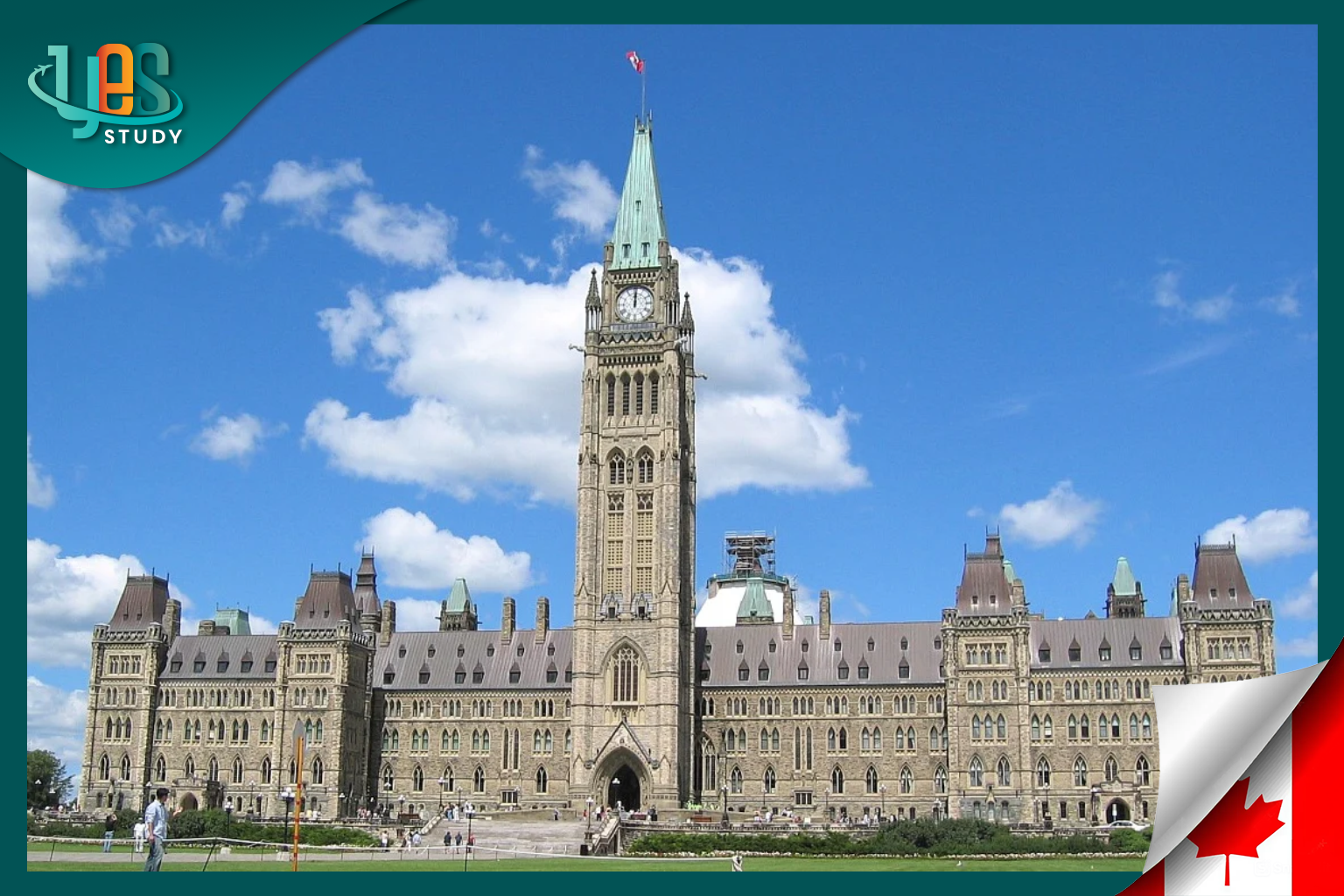
What is the capital of Canada?
Latest news
What languages are spoken in Canada? Official languages and the 2026 immigration strategy
Applying for a 10-year Canadian visa: Requirements, procedures, and application tips
Immigration, Refugees and Citizenship Canada (IRCC)
Studying in Vancouver, Canada: An A-Z Guide for International Students
Trent University (Canada): Detailed Information and Study Abroad Experiences