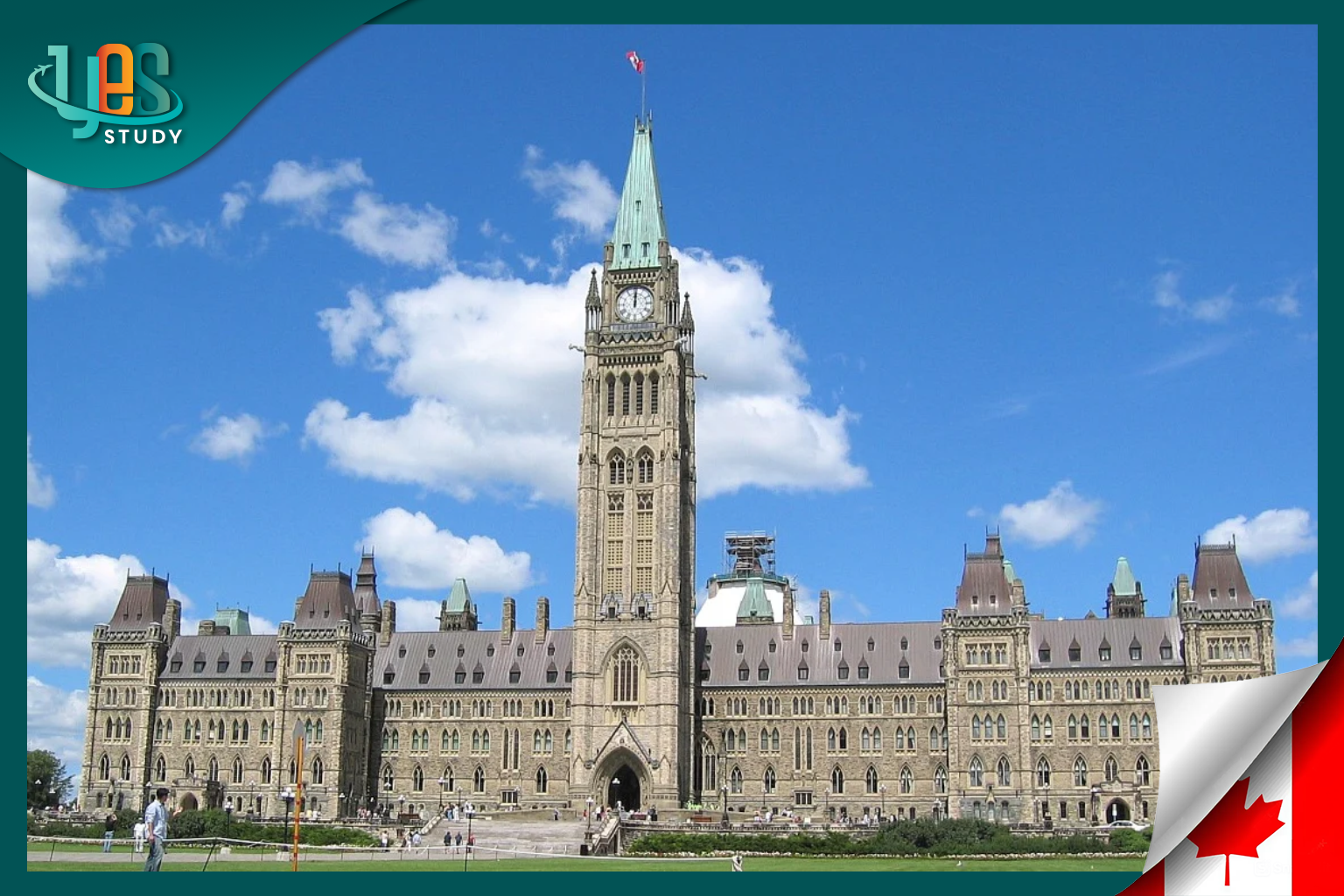
Canada Suspends Parents and Grandparents Program (PGP) in 2026: Solutions for Family Reunification
Canada has officially suspended the intake of new applications for the Parents and Grandparents Program (PGP) in 2026. This decision, announced by Immigration, Refugees and Citizenship Canada (IRCC), aims to address a backlog of over 60,500 applications currently in the system. However, for those dreaming of bringing their loved ones to the Great White North, the door to family reunification is far from closed. For Canadian citizens and permanent residents, the Super Visa has emerged as the most effective alternative, allowing parents and grandparents to stay for up to five years per entry.
At our Yes Study office in Toronto, we have spoken with many families within the Vietnamese community who expressed deep concern over this announcement. From our professional perspective, we view this as a temporary management step by the government to restructure a strained system. Family reunification remains entirely possible if you are proactive in pivoting toward long-term temporary residency pathways and ensure your documentation is meticulously prepared.
Canada Suspends PGP Applications in 2026: What is Happening?
The news that Canada is pausing new PGP applications for 2026 has left many families anxious. Understanding the “why” behind this policy and identifying who is affected is the first step in navigating the new landscape. Let’s look at the official stance from IRCC and the factors driving this change.
Official Decision from IRCC
According to the official press release from Immigration, Refugees and Citizenship Canada (IRCC), the federal government will not accept new “Interest to Sponsor” forms for the PGP in 2026. This decision is effective immediately and will remain in place until further notice.
This means that throughout 2026, individuals planning to sponsor their parents or grandparents for Permanent Residency (PR) through the traditional lottery-based PGP will not be able to submit new entries online. IRCC emphasizes that this is not a permanent cancellation of the program, but a necessary “pause” to allow the department to focus its resources on processing applications submitted in previous years.
If you are interested in the broader context of the immigration system, we recommend reading our analysis of the latest Canada immigration policies for 2026 to gain a comprehensive view.
The Root Causes of the PGP Suspension
The decision to halt new applications did not happen in a vacuum. It is the result of cumulative pressure on Canada’s administrative and social infrastructure over several years:
- The Backlog Burden: The volume of applications accumulated since the 2020 intake cycles has far exceeded IRCC’s actual processing capacity. Continuing to accept new files would only worsen the bottleneck.
- Record-High Processing Times: Prior to the suspension, the average wait time for PGP approval stretched to nearly three years in most provinces. In Quebec, these times were more than double due to strict provincial immigration caps.
- 2026 Population Management Policies: Canada is working to restore sustainability to its immigration ecosystem, aiming to reduce pressure on housing, public healthcare, and social services that have been strained following the post-pandemic population surge.
Below is a detailed breakdown of the backlog status and processing times as of mid-2026:
| Metric | Rest of Canada (Excl. Quebec) | Quebec Only |
|---|---|---|
| Number of pending applications | Approx. 60,500 | Significant portion, strictly limited by provincial caps |
| Average Processing Time | Approx. 33 months | Approx. 66 months (nearly 5.5 years) |
How This Policy Affects Your Family Reunification Plans
The impact of the PGP suspension varies depending on your current status in the application process. While rights are protected for those already in the system, newcomers must look at alternative routes.
For Applications Already in the System
If you have already submitted a sponsorship application and received an application number before this suspension, you can breathe a sigh of relief. IRCC has confirmed they will continue to process existing files. In fact, this pause is actually good news for those already “in line,” as IRCC’s resources will now be dedicated exclusively to clearing the backlog.
The target of approving 15,000 new permanent residents under the PGP for each of the years 2026 and 2027 remains unchanged. Our immigration consultants at Yes Study believe that while this pause is disappointing for new applicants, it signals an acceleration for those who have already applied. We expect real processing times to begin shortening significantly by late 2026.
The 2026 Immigration Tightening Context
The PGP suspension should be viewed as part of the larger 2026 immigration strategy. To manage rapid population growth, the federal government has significantly reduced the number of Study Permits and temporary Work Permits by nearly half compared to previous years.
Under the 2026–2028 Immigration Levels Plan, Canada aims to stabilize at around 380,000 new permanent residents annually, a notable decrease from previous aggressive growth targets. Therefore, tightening family sponsorship is a systemic move to ensure social balance. In this climate, finding a flexible, quota-independent solution is essential.
Super Visa: The Perfect Alternative in 2026
While PGP is temporarily closed to new entries, the Super Visa has become the “golden ticket” for family reunification. It offers fast processing and long-term stay without being tied to the PGP’s restrictive quotas.
What is a Canada Super Visa?
The Canada Super Visa is a multi-entry temporary resident visa specifically designed for the parents and grandparents of Canadian citizens or Permanent Residents (PR). Unlike a standard Visitor Visa, which usually limits stays to 6 months per entry, the Super Visa allows for much longer periods of togetherness.
| Comparison Criteria | Super Visa | Standard Visitor Visa |
|---|---|---|
| Maximum Visa Validity | Up to 10 years (multi-entry) | Up to 10 years (multi-entry) |
| Max Stay per Entry | Up to 5 years | Typically up to 6 months |
| In-land Extension | Extendable for up to 2 years while in Canada | Requires frequent, complex renewals |
| Medical Insurance Requirement | Mandatory from a Canadian provider | Optional (but recommended) |
Why Choose the Super Visa in 2026?
Holding a Super Visa provides parents and grandparents with practical benefits that no other temporary visa can match:
- Extended Residency: Stay in Canada for up to 5 years continuously from the first entry without the hassle of leaving or renewing paperwork every few months.
- Flexible Extensions: As the 5-year mark approaches, holders can apply for an extension of up to 2 additional years from within Canada, potentially allowing for a 7-year continuous stay.
- Rapid Processing: Instead of waiting years for PGP, Super Visa applications are often processed in a matter of weeks, ensuring your family plans aren’t put on hold.
Requirements for a Successful Super Visa Application
The IRCC sets high standards for the Super Visa to ensure that visitors do not become a financial burden on the Canadian healthcare or welfare systems.
Requirements for the Sponsor (Child/Grandchild in Canada)
- Must be a Canadian Citizen or Permanent Resident.
- Must meet the Low Income Cut-Off (LICO) minimum income threshold based on family size. You can verify the latest figures on the official government LICO table.
- Must provide a written Letter of Invitation promising financial support for the duration of the visit.
Requirements for the Applicant (Parent/Grandparent)
- Must pass an Immigration Medical Exam (IME) conducted by IRCC-approved physicians.
- Must have private medical insurance from a Canadian insurance company. The policy must be valid for at least one year, provide at least $100,000 CAD in coverage, and include emergency medical care, hospitalization, and repatriation.
The Super Visa Journey with Yes Study
Preparing a Super Visa file requires precision to meet IRCC’s rigorous criteria. At Yes Study, we have developed a streamlined process to help families minimize errors and maximize their success rate.
Our Professional Support Process
- Financial Assessment: We review your Notice of Assessment (NOA), pay stubs, and employment contracts to ensure you meet LICO requirements convincingly.
- Insurance Optimization: We partner with leading Canadian insurance providers to find policies that meet IRCC standards at the best price, with flexible refund terms if the visa is not granted.
- Document Coordination: We assist your parents in Vietnam with gathering identity documents, police certificates, and scheduling medical exams and biometrics.
- Submission & Follow-up: Our experts draft the submission letter, optimize the logic of your file, and submit it via the IRCC portal, tracking it until the final decision.
A Real Success Story: The Minh Family
We recently assisted Mr. Minh, a Permanent Resident living in Mississauga, Ontario. Mr. Minh had planned to sponsor his parents from Hai Phong through the PGP. When the 2026 suspension was announced, he was devastated, fearing his parents would miss the birth of their first grandchild.
After a thorough assessment, we found that Minh and his wife comfortably exceeded the LICO requirement. We pivoted their strategy to the Super Visa. Within two weeks, Yes Study secured the appropriate insurance and finalized the paperwork in Vietnam. The result? Minh’s parents received their Super Visas in just six weeks, arriving in Mississauga just in time for the Lunar New Year celebrations.
Conclusion
While Canada Suspends Parents and Grandparents Program, the Super Visa remains a powerful “golden key” for family reunification. Do not let administrative changes delay your family’s precious moments together.
Let the experienced team at Yes Study guide you through these changes. Contact our offices in Vietnam or Toronto today for a free profile assessment and let us build the fastest, safest route for your parents or grandparents to join you in Canada.

Related news

What time is it in Canada now? Time zone in Canada compared to Vietnam
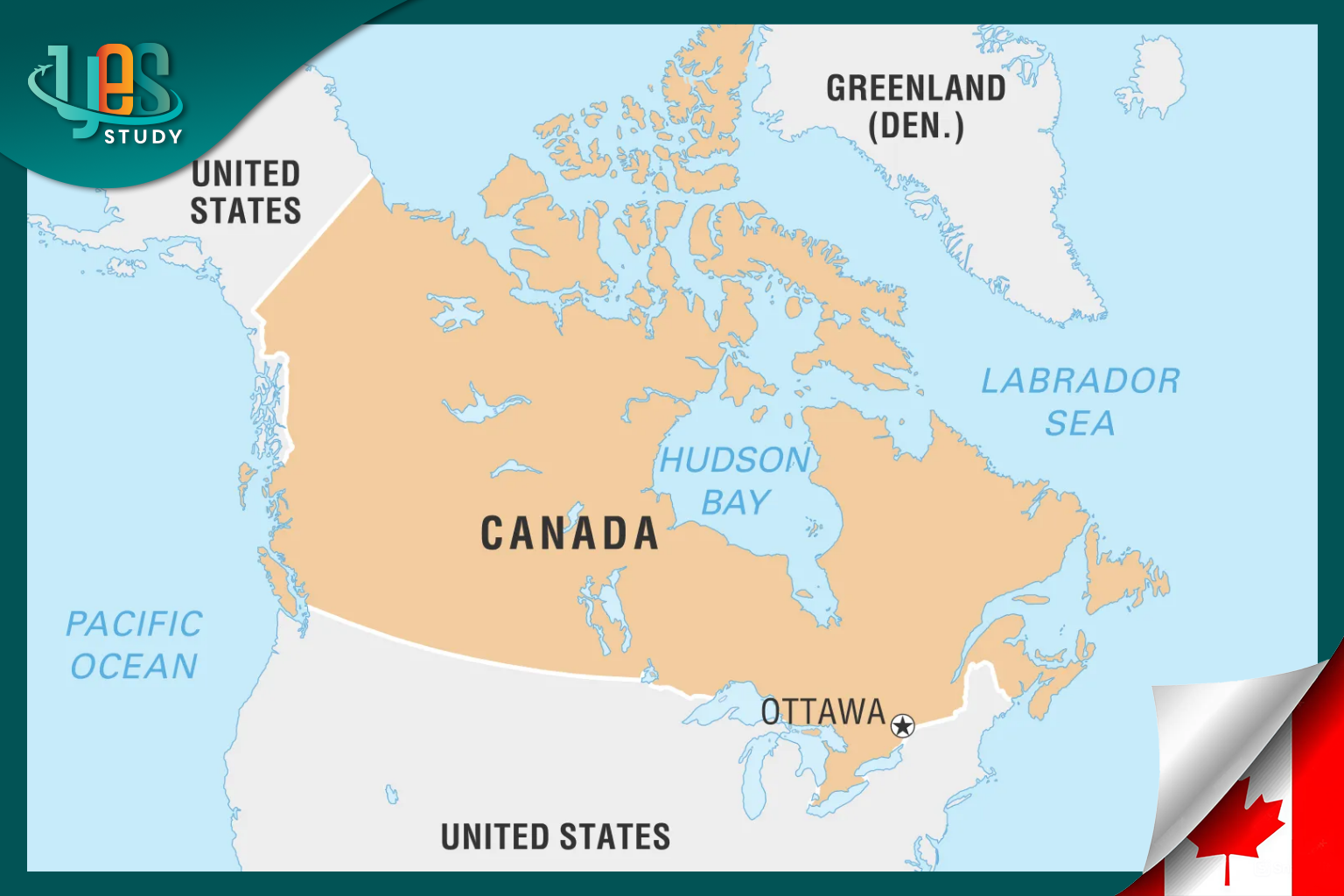
Which Continent Is Canada In? Geography, History, and Essential Facts
Latest news
What languages are spoken in Canada? Official languages and the 2026 immigration strategy
Applying for a 10-year Canadian visa: Requirements, procedures, and application tips
Immigration, Refugees and Citizenship Canada (IRCC)

Studying in Vancouver, Canada: An A-Z Guide for International Students
Trent University (Canada): Detailed Information and Study Abroad Experiences